 PlantFun
Wild cabbage, Kale Toxic?
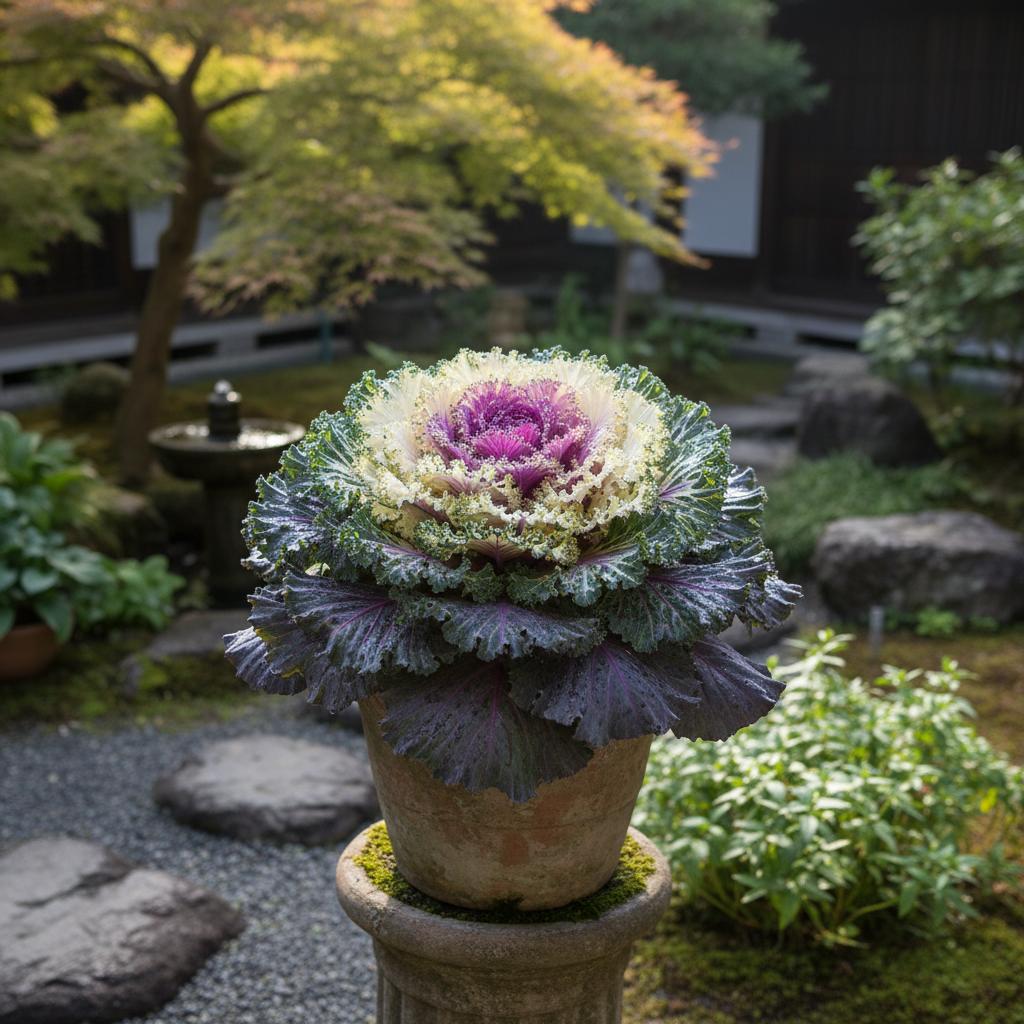
The whole plant is toxic, and poisoning cases only occur under long-term unilateral cabbage feeding for livestock.
Toxic compounds include SMCO (anemia factor, inactivated by drying and ensiling) and glucosinolates (cannot be inactivated by drying).
Poisoning may damage the gastrointestinal tract, respiratory tract, central nervous system and urinary tract.
FAQ
Is Wild cabbage, Kale toxic to Humans?
No confirmed severe human poisoning cases reported; normal culinary consumption is generally safe. (Low)
Is Wild cabbage, Kale toxic to Cats?
No confirmed cat toxicity data available; risk is low under normal small amount ingestion. (Low)
Is Wild cabbage, Kale toxic to Dogs?
No confirmed dog toxicity data available; risk is low under normal small amount ingestion. (Low)
Is Wild cabbage, Kale toxic to Horses?
Potential symptoms after long-term excessive intake include loss of appetite, colic, bloody diarrhea, dyspnea, neurological signs (stumbling, mydriasis, blindness) and hemoglobinuria (red/brown urine). (High)
Toxicity Details
No confirmed severe human poisoning cases reported; normal culinary consumption is generally safe.
No confirmed cat toxicity data available; risk is low under normal small amount ingestion.
No confirmed dog toxicity data available; risk is low under normal small amount ingestion.
Potential symptoms after long-term excessive intake include loss of appetite, colic, bloody diarrhea, dyspnea, neurological signs (stumbling, mydriasis, blindness) and hemoglobinuria (red/brown urine).
Toxicity Snapshot
First Aid & Prevention
First 30 Minutes
- • Stop ingesting or feeding the plant immediately after suspected excessive intake.
- • Induce vomiting for conscious subjects who have ingested large quantities to reduce toxin absorption.
- • Rinse mouth thoroughly if oral mucosa irritation is observed.
Contact Vet Immediately
- • If severe symptoms like bloody diarrhea, dyspnea, convulsion or blindness occur.
- • If large quantity of the plant has been ingested by pets or livestock.
- • If hemoglobinuria (red or brown colored urine) is observed after ingestion.
Prevention
- • Do not feed Brassica oleracea as the sole feed source to livestock for a prolonged period.
- • Only feed or graze green rapeseed before its flowering period.
- • Administer rapeseed cake only in dry form, and avoid combining it with other Brassicaceae plants.
Treatment & Prognosis
- • Carry out decontamination measures such as gastric lavage or activated carbon administration to eliminate unabsorbed toxins.
- • Provide symptomatic treatment targeting specific presented symptoms, referring to standard emergency therapy protocols.
Professional Toxicology
• SMCO is the anemia-causing factor, which can be inactivated by drying and ensiling of the plant.
• Glucosinolates are converted into toxic derivatives including isothiocyanates, nitriles and thiocyanates after plant damage or via rumen flora, and cannot be inactivated by drying.
Information from CliniTox veterinary text.
The following plants look similar and may be confused:
Related Toxic Plants
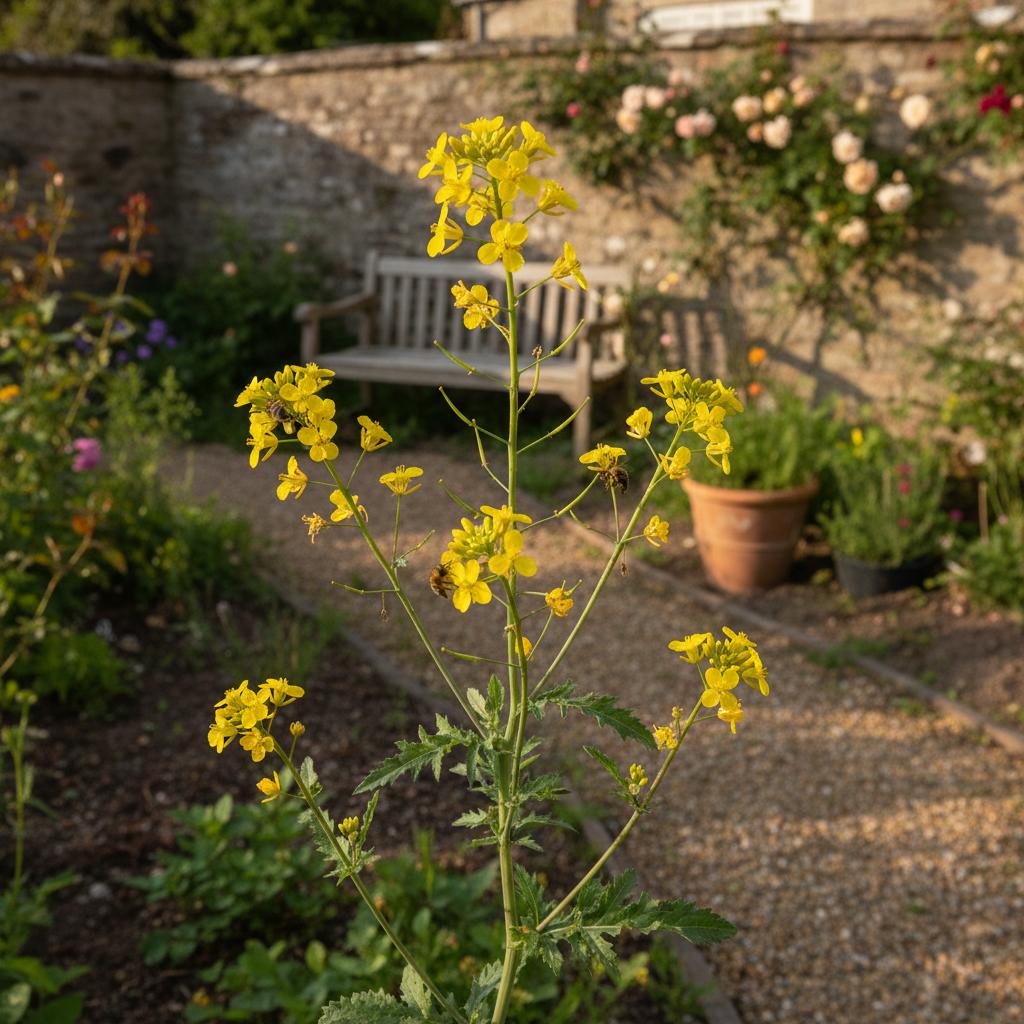
Download PlantFun App
Identify, grow and care for plants effectively!
Instant Plant ID
Take a photo to quickly identify plants.
Smart Care Reminders
Generate watering and care schedules.
Toxicity & Disease Diagnosis
Identify toxic plants and pests with treatment advice.

Data Sources
This information is for reference only and does not constitute medical advice. If ingestion or poisoning is suspected, seek medical or veterinary attention immediately.