 PlantFun
Black mustard Toxic?
All parts of the plant are toxic, especially mature seeds, containing SMCO and glucosinolates
Glucosinolates are not inactivated by drying, while SMCO is inactivated via drying or ensiling
Poisoning typically impacts the gastrointestinal, respiratory, nervous, or urinary systems
FAQ
Is Black mustard toxic to Humans?
No specific human toxicity data reported; large ingestion may cause oral irritation, salivation, abdominal pain, and bloody diarrhea (Low)
Is Black mustard toxic to Cats?
No feline-specific toxicity data documented; monitor for gastrointestinal distress, salivation, or respiratory difficulty if ingested (Low)
Is Black mustard toxic to Dogs?
No canine-specific toxicity data documented; monitor for vomiting, diarrhea, abdominal pain, or disorientation if ingested (Low)
Is Black mustard toxic to Horses?
No equine-specific toxicity data documented; high ingestion may cause gastrointestinal irritation, colic, or urinary tract issues (Low)
Toxicity Details
No specific human toxicity data reported; large ingestion may cause oral irritation, salivation, abdominal pain, and bloody diarrhea
No feline-specific toxicity data documented; monitor for gastrointestinal distress, salivation, or respiratory difficulty if ingested
No canine-specific toxicity data documented; monitor for vomiting, diarrhea, abdominal pain, or disorientation if ingested
No equine-specific toxicity data documented; high ingestion may cause gastrointestinal irritation, colic, or urinary tract issues
Toxicity Snapshot
First Aid & Prevention
First 30 Minutes
- • Remove all remaining plant material from the mouth and surrounding area to stop further ingestion
- • Induce vomiting only if explicitly advised by a medical or veterinary professional, for alert individuals that ingested the plant within 10 minutes
- • Avoid administering food, water, or home remedies unless directed by a healthcare provider
Contact Vet Immediately
- • Any symptoms of poisoning (salivation, diarrhea, difficulty breathing, disorientation, bloody urine) appear after exposure
- • Large quantities of the plant or its seeds are ingested by any animal or human
- • An individual with pre-existing gastrointestinal or respiratory conditions ingests the plant
Prevention
- • Do not feed black mustard or its press residues to livestock, as this practice is prohibited
- • Only feed green rapeseed to livestock prior to the flowering stage, and avoid feeding rapeseed cake alongside other Brassicaceae plants
- • Inspect livestock feed regularly to remove contamination with black mustard plant material or seeds
Treatment & Prognosis
- • Perform appropriate decontamination procedures based on the exposure route and time since ingestion
- • Administer targeted symptomatic and supportive care for the presenting symptoms (e.g. gastrointestinal support, respiratory support, fluid therapy)
- • Follow standard emergency toxicity treatment protocols as guided by a qualified medical or veterinary professional
Professional Toxicology
• SMCO (the anemia factor) is inactivated by drying or ensiling, but can cause anemia if consumed in its active form
• Glucosinolates are converted to toxic derivatives (isothiocyanates, nitriles, thiocyanates) when the plant is damaged or processed by rumen flora, and are not inactivated by drying
• Toxic metabolites irritate epithelial tissues and disrupt normal function across multiple body systems
Information from CliniTox veterinary text.
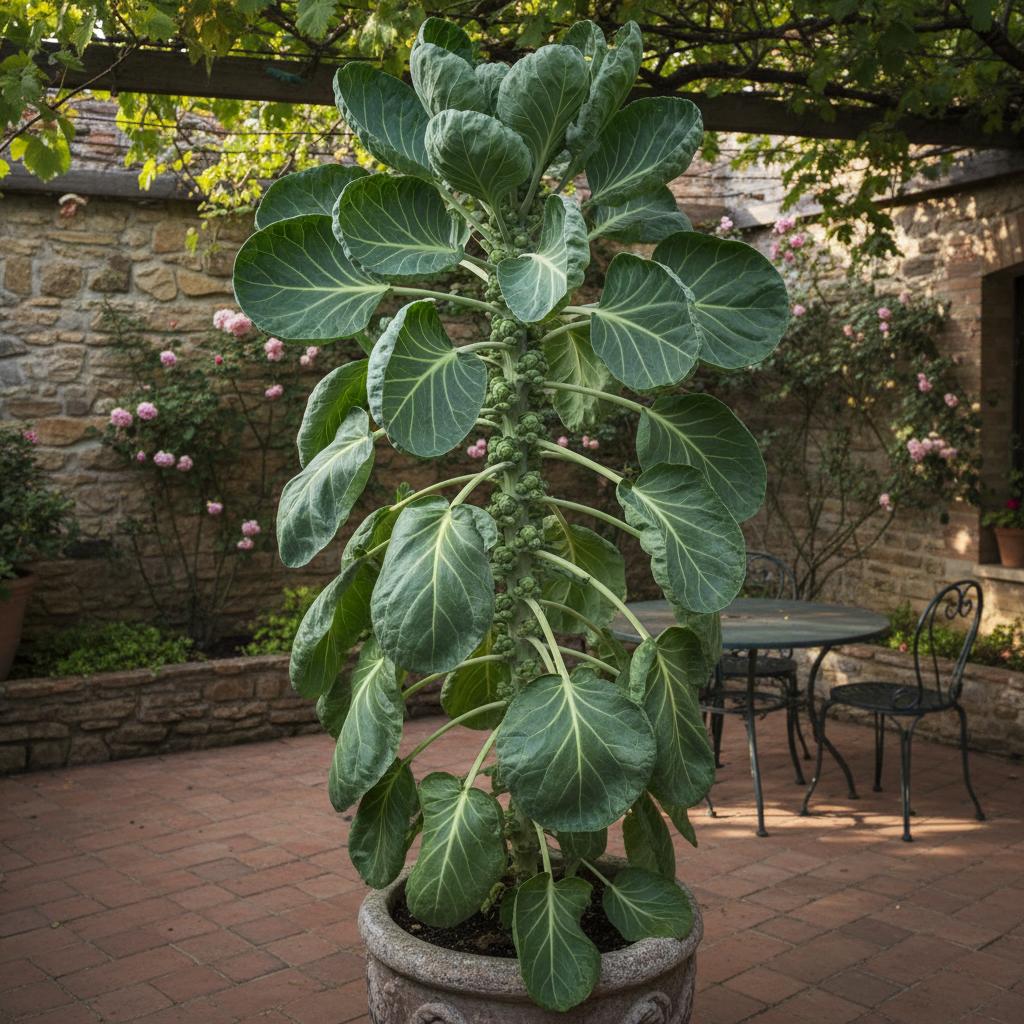
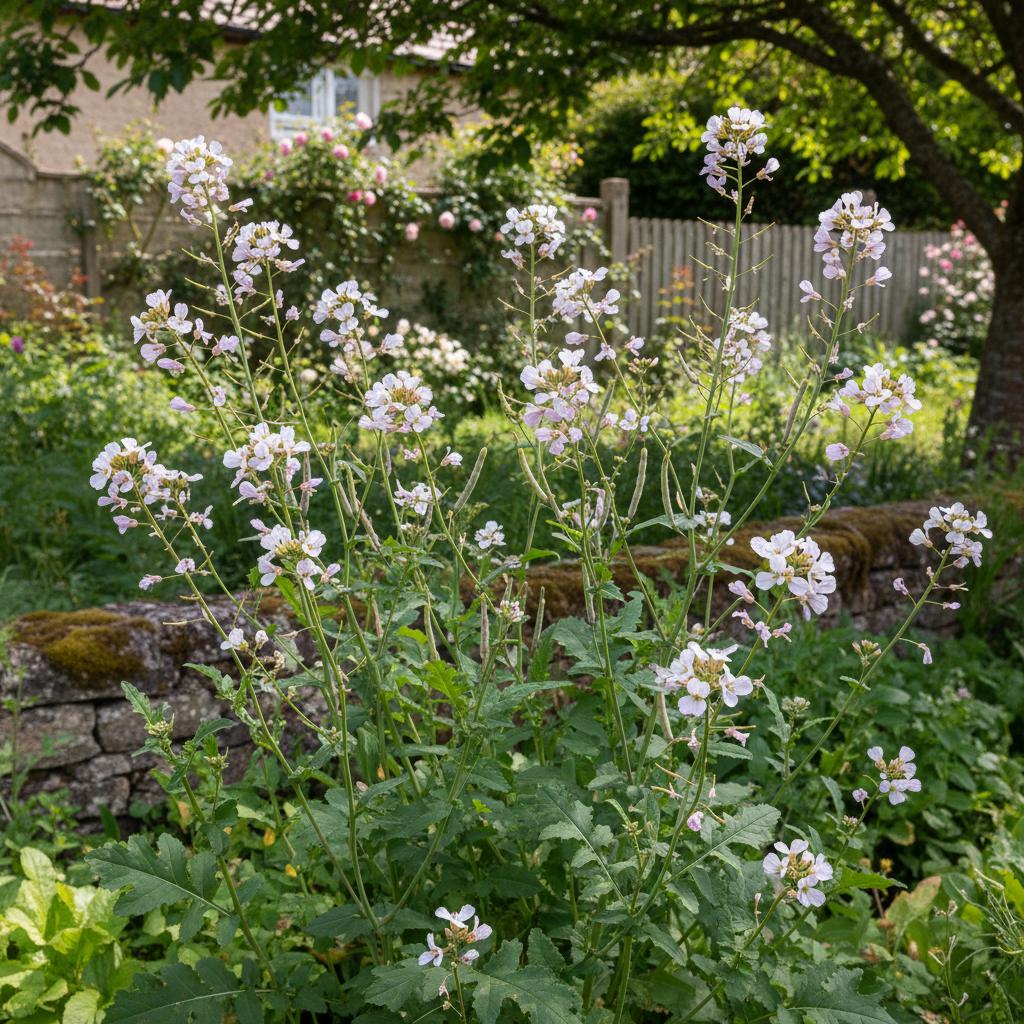
The following plants look similar and may be confused:
Related Toxic Plants
Download PlantFun App
Identify, grow and care for plants effectively!
Instant Plant ID
Take a photo to quickly identify plants.
Smart Care Reminders
Generate watering and care schedules.
Toxicity & Disease Diagnosis
Identify toxic plants and pests with treatment advice.

Data Sources
This information is for reference only and does not constitute medical advice. If ingestion or poisoning is suspected, seek medical or veterinary attention immediately.