 PlantFun
Rapeseed Toxic?
Toxic compounds include SMCO (inactivated by drying/ensiling) and glucosinolates (stable when dried, converted to harmful derivatives in the gut)
Poisoning most often occurs after unbalanced feeding of raw green plant material or seed byproducts to livestock
Low-glucosinolate, zero-erucic acid (00) varieties have significantly reduced toxicity risk for feed use
FAQ
Is Rapeseed toxic to Humans?
No confirmed acute human toxicity cases reported; excessive consumption may cause mild gastrointestinal irritation (Low)
Is Rapeseed toxic to Cats?
No specific cat toxicity data available; monitor for salivation or diarrhea if large amounts are ingested (Low)
Is Rapeseed toxic to Dogs?
No specific dog toxicity data available; monitor for abdominal pain or loose stools after accidental ingestion (Low)
Is Rapeseed toxic to Horses?
Large or prolonged consumption may cause gastrointestinal distress, red/brown urine, or respiratory issues (Moderate)
Toxicity Details
No confirmed acute human toxicity cases reported; excessive consumption may cause mild gastrointestinal irritation
No specific cat toxicity data available; monitor for salivation or diarrhea if large amounts are ingested
No specific dog toxicity data available; monitor for abdominal pain or loose stools after accidental ingestion
Large or prolonged consumption may cause gastrointestinal distress, red/brown urine, or respiratory issues
Toxicity Snapshot
First Aid & Prevention
First 30 Minutes
- • Remove any remaining rapeseed/rapeseed byproducts from access to the affected person or animal
- • For human ingestion of large quantities, contact poison control immediately for decontamination guidance
- • For animals, withhold all Brassica-containing feed and monitor breathing, pulse and stool output closely
Contact Vet Immediately
- • Presence of bloody diarrhea, colic, or difficulty breathing after ingestion
- • Observation of red or brown urine (hemoglobinuria) in grazing or feed animals
- • Development of neurological symptoms including disorientation, staggering, or vision loss
Prevention
- • Graze or feed green rapeseed only prior to its flowering stage
- • Administer rapeseed cake only in dry form, and avoid combining with other Brassica feed ingredients
- • Prioritize use of low-glucosinolate, zero-erucic acid (00) rapeseed varieties for animal feed applications
Treatment & Prognosis
- • Gastrointestinal decontamination (e.g. activated charcoal administration) as clinically indicated
- • Symptomatic supportive care including fluid replacement for diarrhea, and respiratory support for dyspnea as needed
Professional Toxicology
• SMCO (anemia-causing factor) is inactivated by drying or ensiling of the plant material
• Glucosinolates are converted to toxic derivatives (isothiocyanates, nitriles, thiocyanates) by damaged plant tissue or gut flora, and remain stable even after drying
• Nitrates accumulated in green plant parts contribute to toxicity in grazing livestock
Information from CliniTox veterinary text.
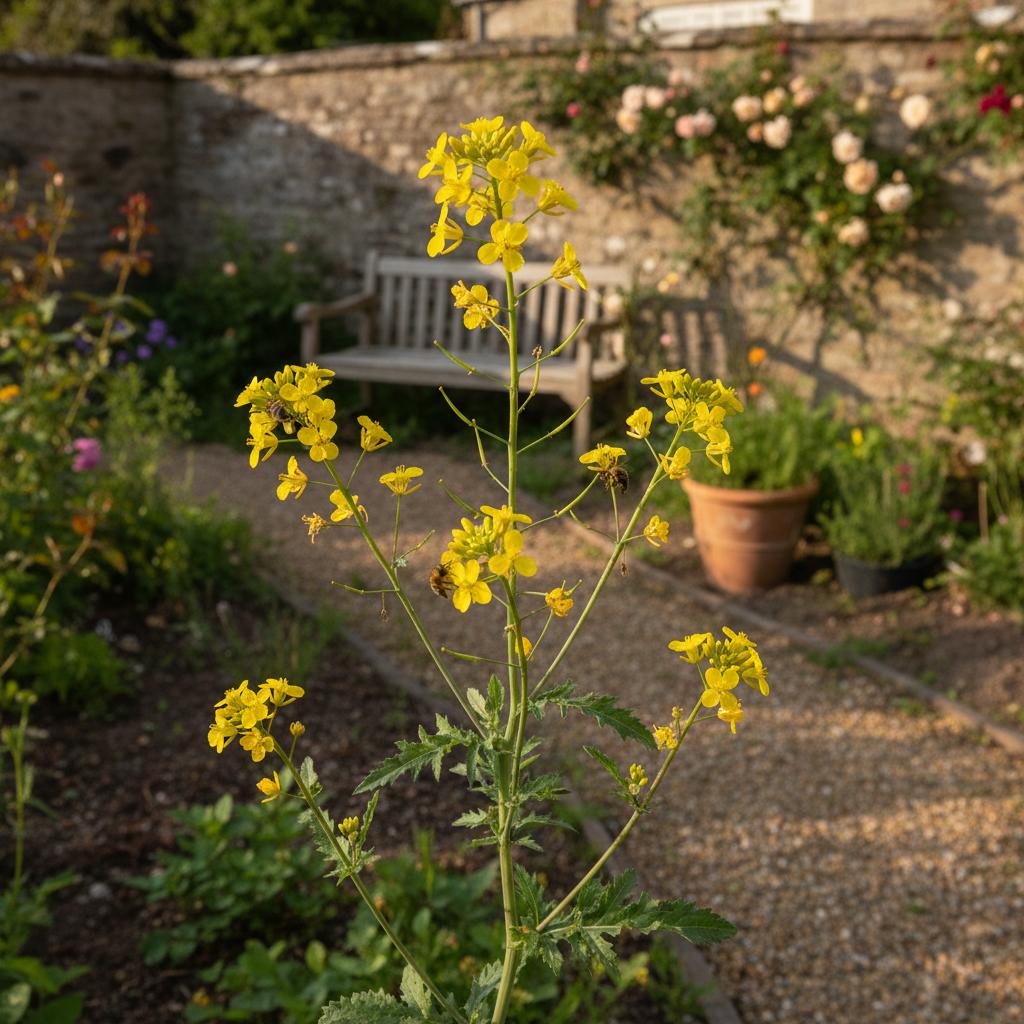
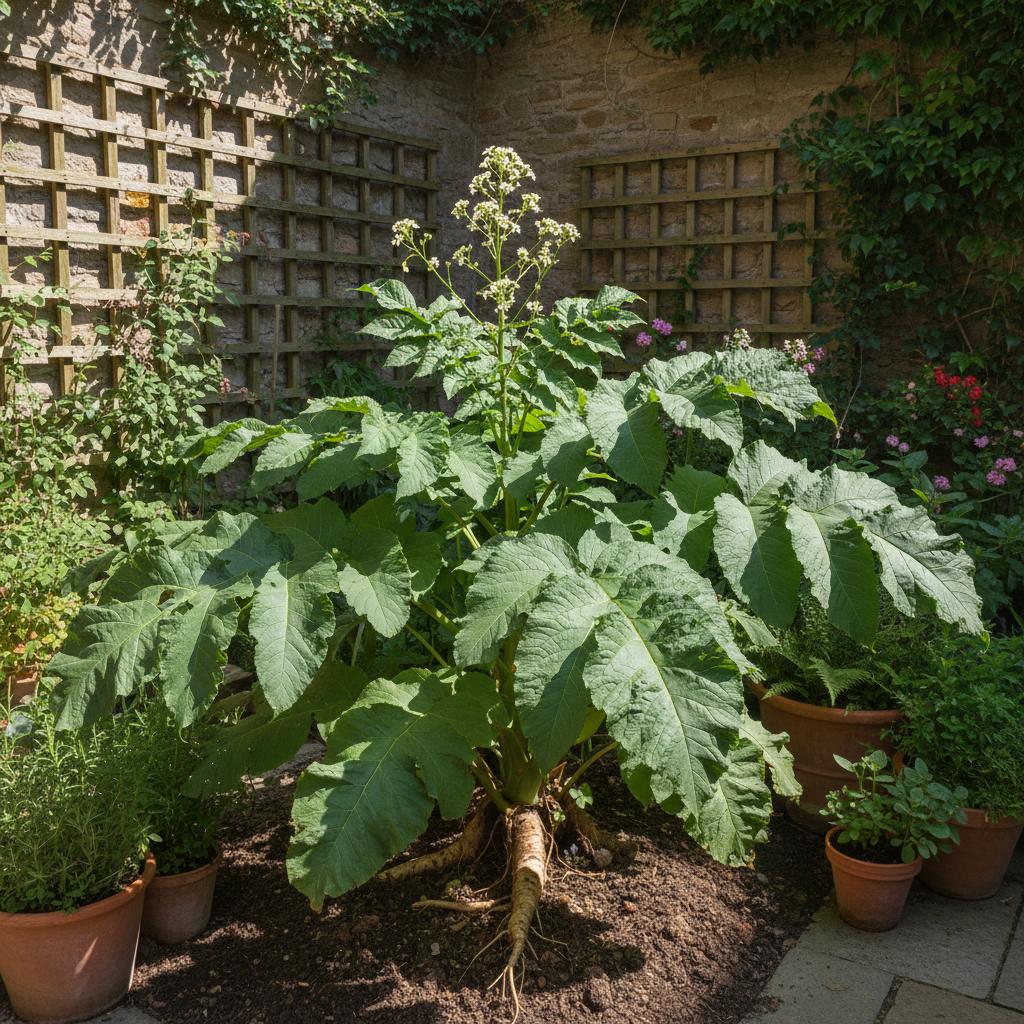
The following plants look similar and may be confused:
Related Toxic Plants
Download PlantFun App
Identify, grow and care for plants effectively!
Instant Plant ID
Take a photo to quickly identify plants.
Smart Care Reminders
Generate watering and care schedules.
Toxicity & Disease Diagnosis
Identify toxic plants and pests with treatment advice.

Data Sources
This information is for reference only and does not constitute medical advice. If ingestion or poisoning is suspected, seek medical or veterinary attention immediately.