 PlantFun
Horseradish Toxic?

All plant parts, particularly the root, contain toxic compounds, with toxicity ranging from low to high depending on exposure volume.
SMCO (anemia-causing compound) is inactivated by drying or silage processing, but glucosinolates remain toxic even after drying.
Ingestion can trigger gastrointestinal, respiratory, neurological, or urinary symptoms in affected animals, including hemoglobinuria in livestock.
FAQ
Is Horseradish toxic to Humans?
Generally safe in small culinary amounts; large ingestion may cause oral irritation, excessive salivation, abdominal pain, and bloody diarrhea. (Low)
Is Horseradish toxic to Cats?
Limited toxicity data available; ingestion may cause oral irritation, vomiting, diarrhea, and abdominal discomfort. (Low)
Is Horseradish toxic to Dogs?
Limited toxicity data available; ingestion may cause oral irritation, vomiting, diarrhea, and abdominal discomfort. (Low)
Is Horseradish toxic to Horses?
Large or repeated ingestion can cause loss of appetite, colic, bloody diarrhea, difficulty breathing, neurological abnormalities, and hemoglobinuria. (High)
Toxicity Details
Generally safe in small culinary amounts; large ingestion may cause oral irritation, excessive salivation, abdominal pain, and bloody diarrhea.
Limited toxicity data available; ingestion may cause oral irritation, vomiting, diarrhea, and abdominal discomfort.
Limited toxicity data available; ingestion may cause oral irritation, vomiting, diarrhea, and abdominal discomfort.
Large or repeated ingestion can cause loss of appetite, colic, bloody diarrhea, difficulty breathing, neurological abnormalities, and hemoglobinuria.
Toxicity Snapshot
First Aid & Prevention
First 30 Minutes
- • Remove all remaining horseradish plant material from the affected animal's mouth and immediate environment.
- • Rinse the animal's mouth thoroughly with cool clean water to reduce mucosal irritation.
- • Do not induce vomiting unless explicitly instructed to do so by a qualified veterinary professional.
Contact Vet Immediately
- • If the animal exhibits any poisoning symptoms including salivation, bloody diarrhea, difficulty breathing, or abnormal neurological behavior.
- • If large quantities of horseradish were ingested by any pet, horse, or food-producing livestock.
- • If symptoms persist or worsen after initial first aid intervention.
Prevention
- • Do not feed horseradish or its processing byproducts to livestock, and restrict grazing in areas with abundant wild horseradish growth.
- • Avoid feeding Brassicaceae family plants as the primary or exclusive component of livestock feed to prevent toxic exposure.
- • Keep horseradish plants and culinary preparations containing large amounts of horseradish out of reach of pets.
Treatment & Prognosis
- • Perform appropriate decontamination procedures based on ingestion timeline and affected species.
- • Administer targeted symptomatic and supportive care, including fluid therapy for dehydration and respiratory support for lung involvement.
- • Monitor organ function, particularly urinary and gastrointestinal health, throughout the recovery period.
Professional Toxicology
• SMCO (anemia factor) causes toxic effects when ingested fresh, and is only inactivated by drying or silage processing.
• Glucosinolates are converted to toxic derivatives (isothiocyanates, nitriles, thiocyanates) by plant damage or rumen microbial activity, and are not inactivated by drying.
• Toxic compounds irritate mucosal surfaces and disrupt normal organ function across multiple body systems.
Information from CliniTox veterinary text.
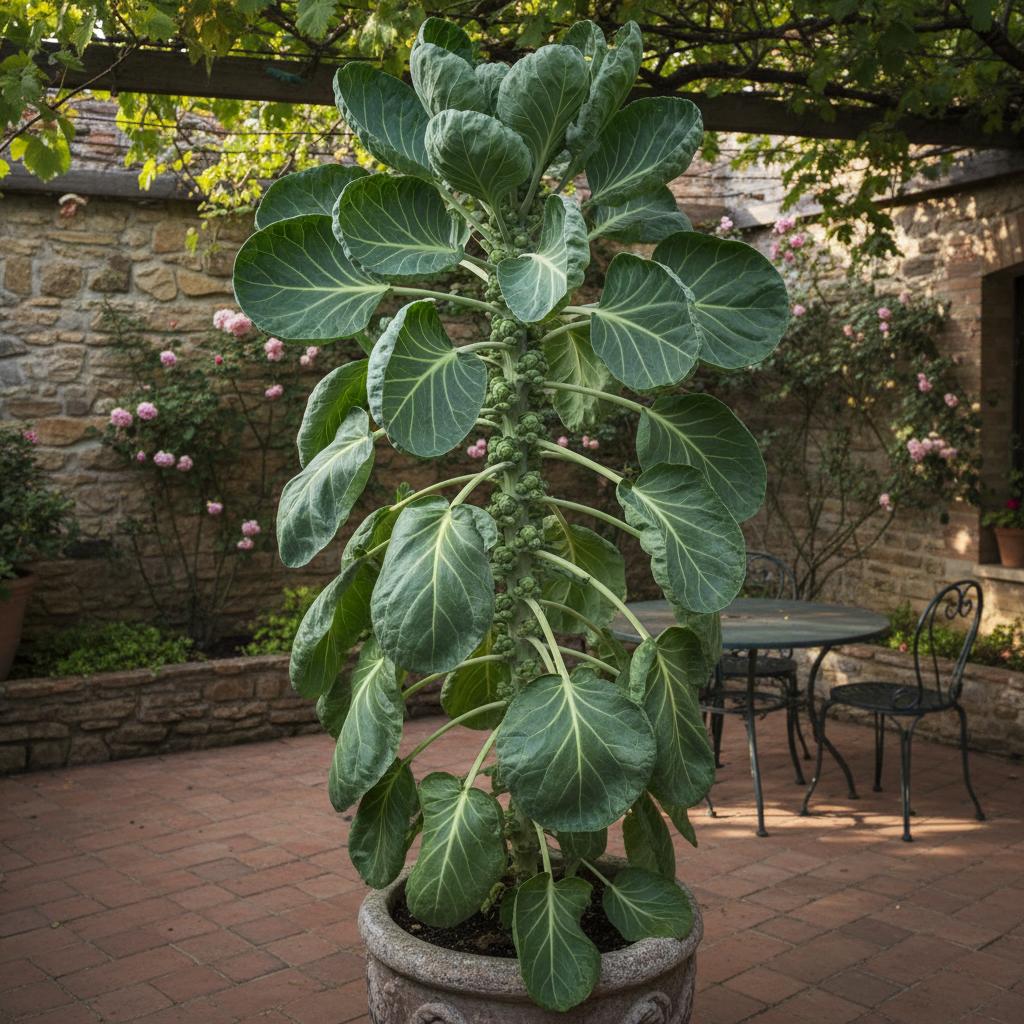
The following plants look similar and may be confused:
Related Toxic Plants
Download PlantFun App
Identify, grow and care for plants effectively!
Instant Plant ID
Take a photo to quickly identify plants.
Smart Care Reminders
Generate watering and care schedules.
Toxicity & Disease Diagnosis
Identify toxic plants and pests with treatment advice.

Data Sources
This information is for reference only and does not constitute medical advice. If ingestion or poisoning is suspected, seek medical or veterinary attention immediately.