 PlantFun
Tomato Toxic?

Only fully ripe red tomato fruits are safe for consumption; all other plant parts and unripe green tomatoes are toxic.
Toxicity level is low, and very large quantities of toxic plant material must be ingested to cause severe adverse effects.
Symptoms of toxic ingestion are limited to mild to moderate gastrointestinal upset in most cases.
FAQ
Is Tomato toxic to Humans?
Vomiting, abdominal pain, diarrhea (Low)
Is Tomato toxic to Cats?
No species-specific symptom data available; may present with gastrointestinal distress similar to humans if toxic parts are ingested (Low)
Is Tomato toxic to Dogs?
No species-specific symptom data available; may present with gastrointestinal distress similar to humans if toxic parts are ingested (Low)
Is Tomato toxic to Horses?
No species-specific symptom data available; may present with gastrointestinal distress similar to humans if toxic parts are ingested (Low)
Toxicity Details
Vomiting, abdominal pain, diarrhea
No species-specific symptom data available; may present with gastrointestinal distress similar to humans if toxic parts are ingested
No species-specific symptom data available; may present with gastrointestinal distress similar to humans if toxic parts are ingested
No species-specific symptom data available; may present with gastrointestinal distress similar to humans if toxic parts are ingested
Toxicity Snapshot
First Aid & Prevention
First 30 Minutes
- • Remove any remaining tomato plant material from the mouth of the affected individual or animal
- • Rinse the mouth thoroughly with clean, cool water to eliminate residual toxin traces
- • Avoid inducing vomiting unless explicitly directed to do so by a medical professional or veterinarian
Contact Vet Immediately
- • Ingestion of large quantities of tomato leaves, stems, or unripe green fruits
- • Development of persistent vomiting, severe abdominal pain, or prolonged diarrhea after exposure
- • Symptoms do not resolve within 2 hours for humans or 1 hour for companion animals
Prevention
- • Keep tomato plant vines, leaves, and unripe green fruits out of reach of children and companion animals
- • Only consume fully ripe, uniformly red tomato fruits; avoid eating raw unripe green tomatoes without proper preparation
- • Do not feed tomato plant trimmings to livestock or companion animals as forage
Treatment & Prognosis
- • Perform gastrointestinal decontamination with activated charcoal if ingestion occurred within the past 2 hours
- • Provide supportive care including oral or intravenous fluid replacement to prevent dehydration from vomiting and diarrhea
- • Administer symptomatic treatment for pain and gastrointestinal discomfort as prescribed by a healthcare provider or veterinarian
Professional Toxicology
• Solanum alkaloids (primarily α-tomatin) cause gastrointestinal mucosal irritation and disrupt cellular function when ingested in sufficient quantities
• Serotonin concentrations in tomato plant material are very low, so they do not contribute to adverse effects unless extremely large volumes are consumed
Information from CliniTox veterinary text.
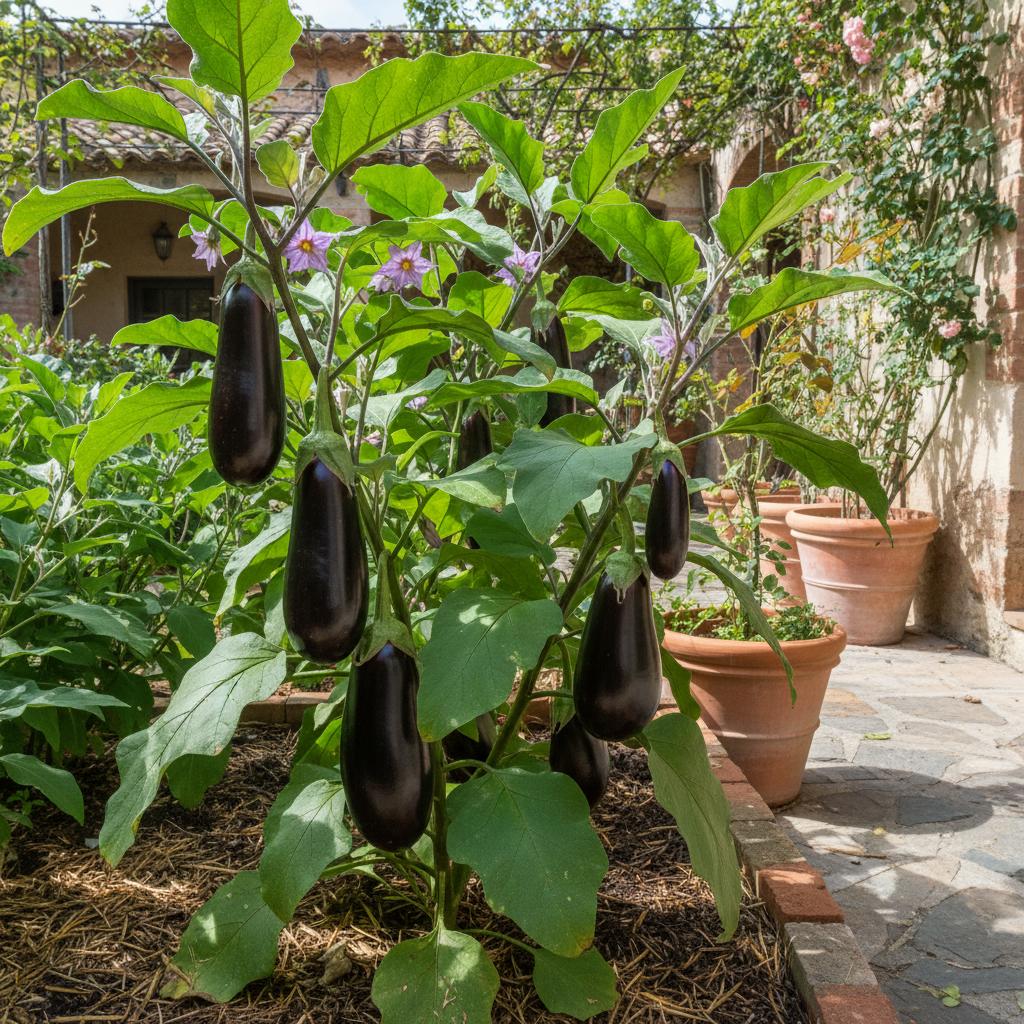
The following plants look similar and may be confused:
Related Toxic Plants


Download PlantFun App
Identify, grow and care for plants effectively!
Instant Plant ID
Take a photo to quickly identify plants.
Smart Care Reminders
Generate watering and care schedules.
Toxicity & Disease Diagnosis
Identify toxic plants and pests with treatment advice.

Data Sources
This information is for reference only and does not constitute medical advice. If ingestion or poisoning is suspected, seek medical or veterinary attention immediately.