 PlantFun
Belladonna Toxic?

All plant parts are highly toxic, and remain poisonous even after drying.
Ingestion can cause rapid onset of severe symptoms including fatal respiratory paralysis.
Rabbits, guinea pigs, and birds tolerate higher doses without harm, while horses and cattle are at highest poisoning risk.
FAQ
Is Belladonna toxic to Humans?
Tachypnea, tachycardia, agitation, delirium, extreme thirst, dry mucous membranes, constipation, dilated pupils, paralysis, possible death from respiratory paralysis (Severe)
Is Belladonna toxic to Cats?
Expected symptoms include dilated pupils, tachycardia, agitation, dry mouth, disorientation, paralysis, and fatal respiratory paralysis if left untreated (Severe)
Is Belladonna toxic to Dogs?
Expected symptoms include dilated pupils, tachycardia, agitation, dry mouth, disorientation, paralysis, and fatal respiratory paralysis if left untreated (Severe)
Is Belladonna toxic to Horses?
High risk of documented poisoning; symptoms include tachypnea, tachycardia, agitation, paralysis, and potentially fatal respiratory paralysis (Severe)
Toxicity Details
Tachypnea, tachycardia, agitation, delirium, extreme thirst, dry mucous membranes, constipation, dilated pupils, paralysis, possible death from respiratory paralysis
Expected symptoms include dilated pupils, tachycardia, agitation, dry mouth, disorientation, paralysis, and fatal respiratory paralysis if left untreated
Expected symptoms include dilated pupils, tachycardia, agitation, dry mouth, disorientation, paralysis, and fatal respiratory paralysis if left untreated
High risk of documented poisoning; symptoms include tachypnea, tachycardia, agitation, paralysis, and potentially fatal respiratory paralysis
Toxicity Snapshot
First Aid & Prevention
First 30 Minutes
- • Immediately remove all remaining plant material from the mouth, skin, or surrounding area of the exposed person/animal
- • Do not administer morphine or opiate-containing products, as these worsen poisoning effects
- • Collect a sample of the ingested plant for accurate identification to guide treatment
Contact Vet Immediately
- • Any confirmed or suspected ingestion of any part of the plant, regardless of amount consumed
- • Onset of symptoms including dilated pupils, rapid breathing/heart rate, agitation, or paralysis after exposure
- • Exposure in high-risk species including horses, cattle, cats, and dogs, even if no symptoms are visible
Prevention
- • Eradicate belladonna plants from areas accessible to children, pets, and grazing livestock
- • Never consume wild berries or foliage unless you have 100% confirmed they are a safe edible species
- • Store any belladonna-containing botanical specimens in locked, clearly labeled containers out of reach of children and animals
Treatment & Prognosis
- • Perform decontamination (e.g. activated charcoal administration) as directed by a licensed medical provider or veterinarian
- • Deliver symptomatic supportive care to manage abnormal heart rate, respiratory function, and neurological symptoms
- • Administer physostigmine as clinically indicated for severe poisoning cases
Professional Toxicology
• Tropane alkaloids act as acetylcholine receptor antagonists, disrupting normal nervous system signaling across the body
Information from CliniTox veterinary text.
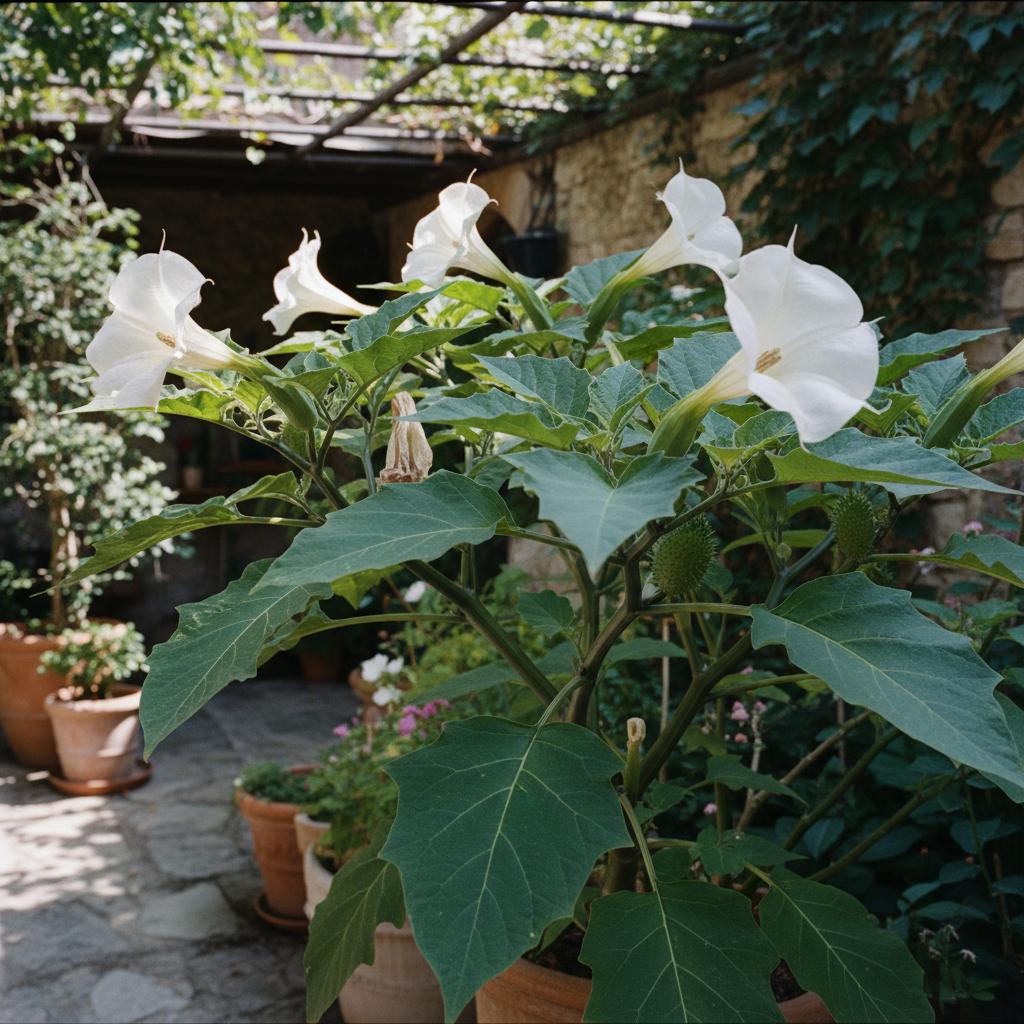
The following plants look similar and may be confused:
Related Toxic Plants


Download PlantFun App
Identify, grow and care for plants effectively!
Instant Plant ID
Take a photo to quickly identify plants.
Smart Care Reminders
Generate watering and care schedules.
Toxicity & Disease Diagnosis
Identify toxic plants and pests with treatment advice.

Data Sources
This information is for reference only and does not constitute medical advice. If ingestion or poisoning is suspected, seek medical or veterinary attention immediately.