 PlantFun
Chives Toxic?
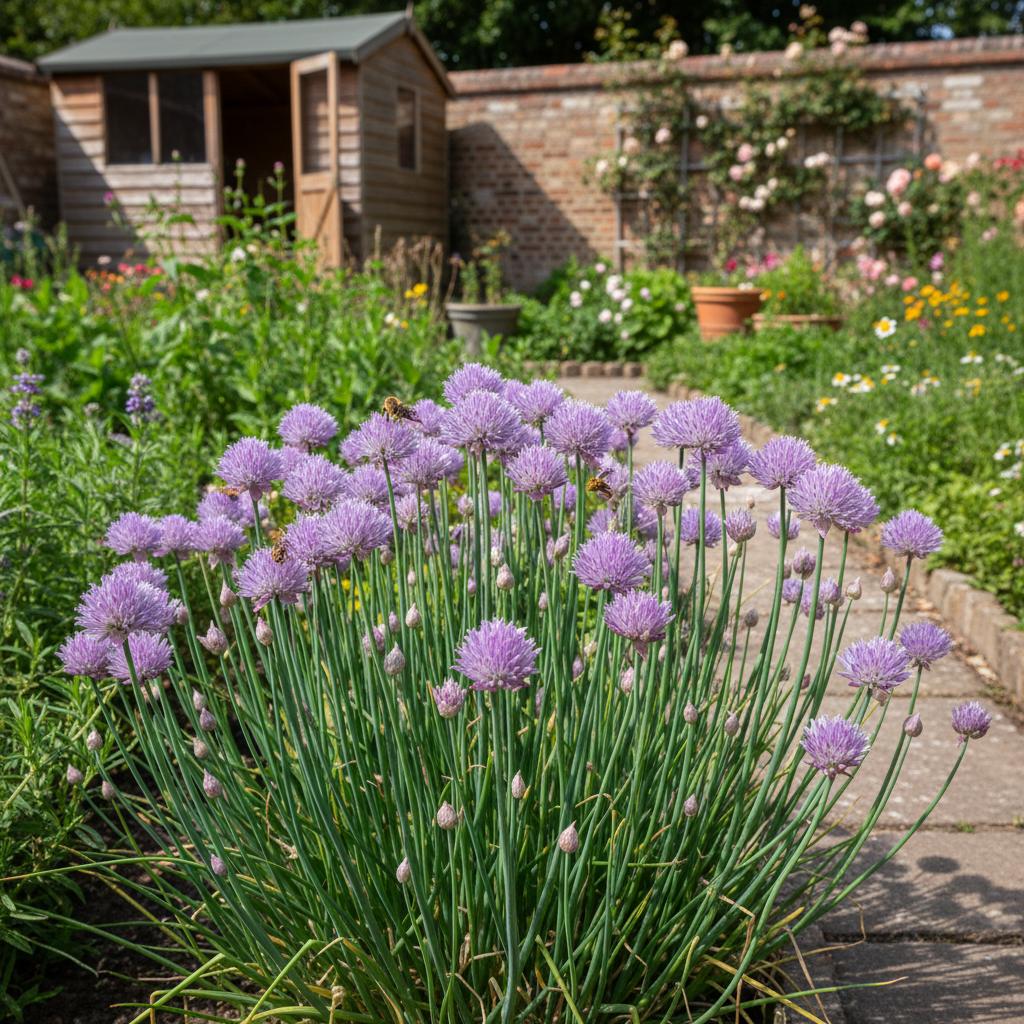
All parts of the chive plant are toxic to susceptible animals, even in small repeated doses.
The primary toxic principle is N-propyl disulfide, which causes oxidative damage and breakdown of red blood cells.
Symptoms may appear within 24 hours of ingestion or be delayed for days to weeks after repeated low-level exposure.
FAQ
Is Chives toxic to Humans?
Generally safe for human consumption in typical culinary quantities; very large ingestions may cause mild gastrointestinal upset in sensitive individuals. (Low)
Is Chives toxic to Cats?
Vomiting, hemolytic (Heinz body) anemia, blood in urine, weakness, elevated heart rate, panting, lethargy, pale or jaundiced mucous membranes, reduced appetite, incoordination (High)
Is Chives toxic to Dogs?
Vomiting, hemolytic (Heinz body) anemia, blood in urine, weakness, elevated heart rate, panting, lethargy, pale or jaundiced mucous membranes, reduced appetite, incoordination (High)
Is Chives toxic to Horses?
Vomiting, hemolytic (Heinz body) anemia, blood in urine, weakness, elevated heart rate, panting, lethargy, pale or jaundiced mucous membranes, reduced appetite, incoordination (High)
Toxicity Details
Generally safe for human consumption in typical culinary quantities; very large ingestions may cause mild gastrointestinal upset in sensitive individuals.
Vomiting, hemolytic (Heinz body) anemia, blood in urine, weakness, elevated heart rate, panting, lethargy, pale or jaundiced mucous membranes, reduced appetite, incoordination
Vomiting, hemolytic (Heinz body) anemia, blood in urine, weakness, elevated heart rate, panting, lethargy, pale or jaundiced mucous membranes, reduced appetite, incoordination
Vomiting, hemolytic (Heinz body) anemia, blood in urine, weakness, elevated heart rate, panting, lethargy, pale or jaundiced mucous membranes, reduced appetite, incoordination
Toxicity Snapshot
First Aid & Prevention
First 30 Minutes
- • Remove any remaining chive material from the animal's mouth and surrounding area immediately
- • Do not induce vomiting or administer home remedies without explicit veterinary guidance
- • Collect a sample of the ingested plant for confirmation of identity by veterinary staff
Contact Vet Immediately
- • You witness or suspect your cat, dog, or horse has ingested any quantity of chives
- • The animal exhibits symptoms including vomiting, blood in urine, weakness, pale/jaundiced gums, or labored breathing
- • Symptoms persist or worsen after initial exposure, even if onset was delayed by days or weeks
Prevention
- • Store fresh, dried, or cooked chives and chive-containing foods out of reach of susceptible pets and livestock
- • Avoid supplementing animal feed or treats with any Allium species including chives
- • Learn to distinguish chives from non-toxic lookalike plants if grazing areas are accessible to your animals
Treatment & Prognosis
- • Veterinarian-supervised decontamination including activated charcoal administration if ingestion was recent
- • Symptomatic supportive care including fluid therapy and oxygen supplementation as needed
- • Blood transfusion for cases of severe, life-threatening hemolytic anemia
- • Ongoing monitoring of red blood cell counts and organ function for 1-2 weeks post-exposure
Professional Toxicology
• Sulfur-containing non-proteinogenic amino acids (alliin derivatives) are converted to toxic disulfide compounds when plant cells are damaged by cutting, chewing, or processing
• Toxic disulfides cause oxidative damage to red blood cell membranes, leading to Heinz body formation and hemolysis (red blood cell breakdown)
• Reduced oxygen transport capacity from hemolysis leads to systemic hypoxia and secondary organ damage if left untreated
Information from CliniTox veterinary text.
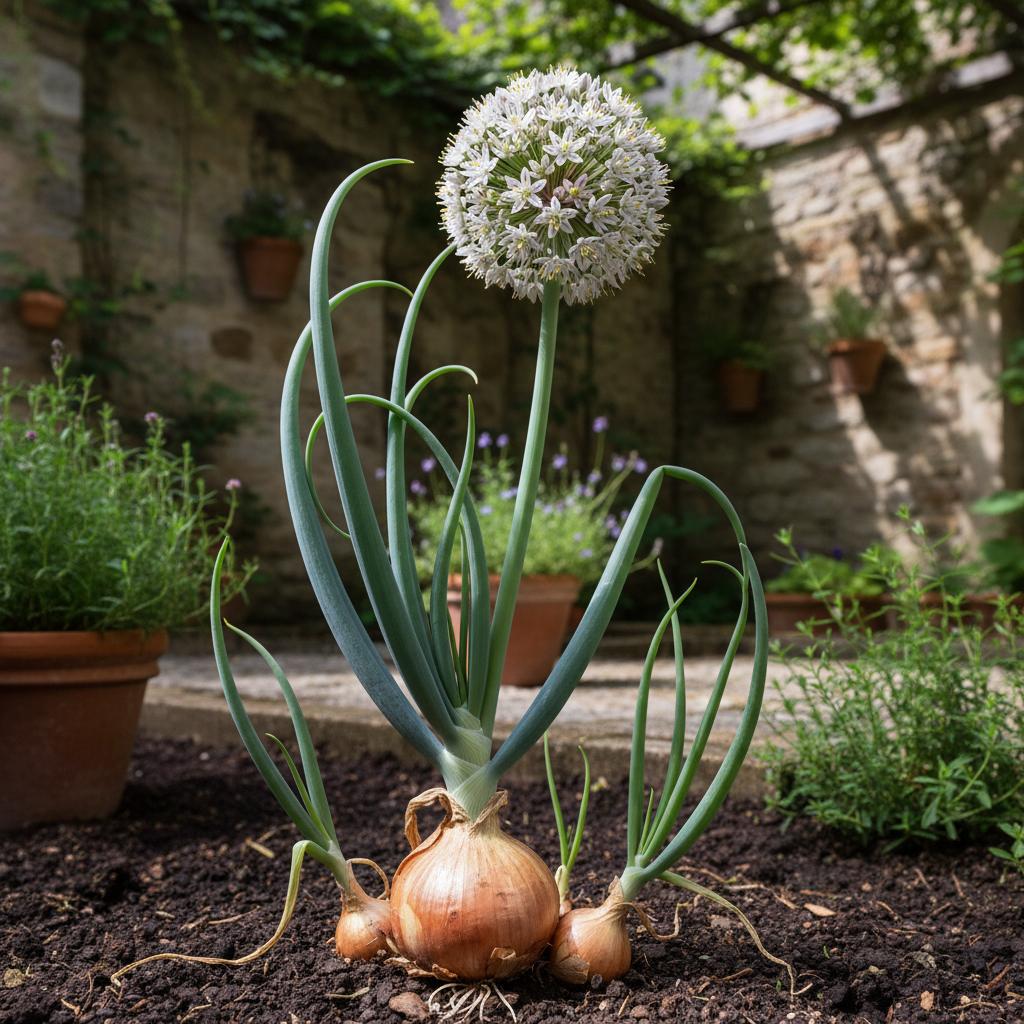
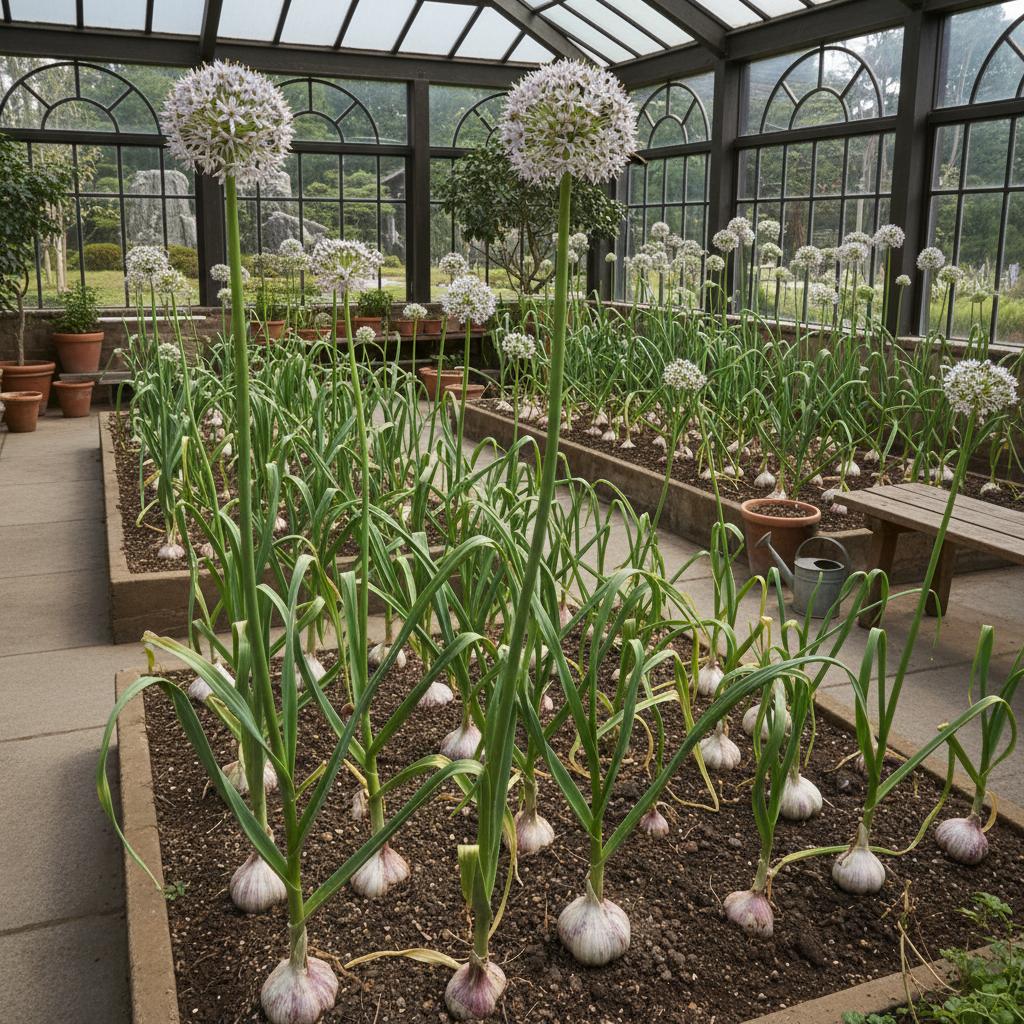
The following plants look similar and may be confused:
Related Toxic Plants
Download PlantFun App
Identify, grow and care for plants effectively!
Instant Plant ID
Take a photo to quickly identify plants.
Smart Care Reminders
Generate watering and care schedules.
Toxicity & Disease Diagnosis
Identify toxic plants and pests with treatment advice.

Data Sources
This information is for reference only and does not constitute medical advice. If ingestion or poisoning is suspected, seek medical or veterinary attention immediately.