 PlantFun
Garlic Toxic?
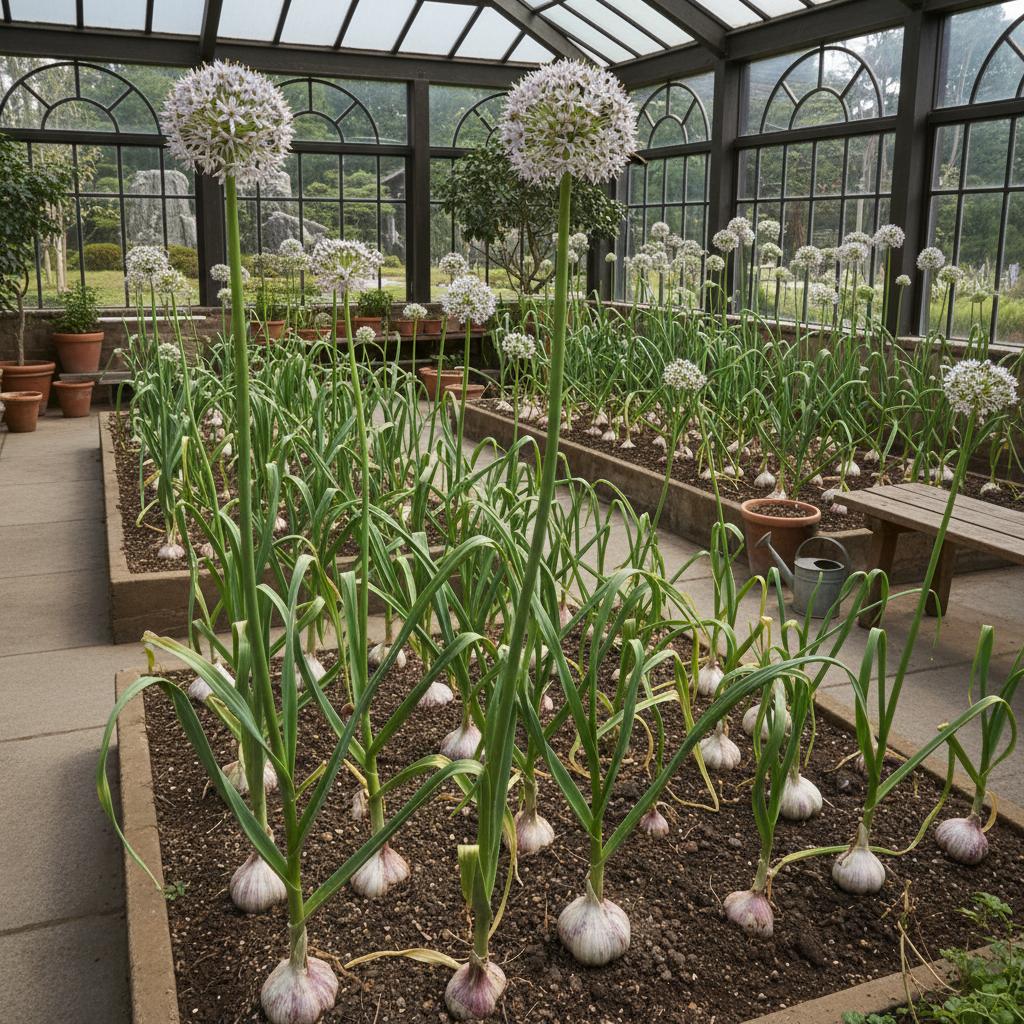
All parts of the garlic plant are toxic to cats, dogs, and horses, even in repeated small doses
Toxicity stems from sulfur-based compounds that cause oxidative damage to red blood cells and anemia
Symptoms may appear within 24 hours of ingestion or up to several weeks after chronic low-level exposure
FAQ
Is Garlic toxic to Humans?
Low toxicity at standard dietary intake; very large quantities may cause gastrointestinal distress, oxidative stress, and blood cell damage (Low)
Is Garlic toxic to Cats?
Vomiting, hemolytic (Heinz body) anemia, blood in urine, weakness, elevated heart rate, panting, lethargy, pale or jaundiced mucous membranes (High)
Is Garlic toxic to Dogs?
Vomiting, hemolytic (Heinz body) anemia, blood in urine, weakness, elevated heart rate, panting, lethargy, pale or jaundiced mucous membranes, diarrhea (High)
Is Garlic toxic to Horses?
Hemolytic anemia, blood in urine, weakness, elevated heart rate, respiratory distress, reduced gut motility, garlic-scented breath, potential abortion, death from hypoxia in severe cases (High)
Toxicity Details
Low toxicity at standard dietary intake; very large quantities may cause gastrointestinal distress, oxidative stress, and blood cell damage
Vomiting, hemolytic (Heinz body) anemia, blood in urine, weakness, elevated heart rate, panting, lethargy, pale or jaundiced mucous membranes
Vomiting, hemolytic (Heinz body) anemia, blood in urine, weakness, elevated heart rate, panting, lethargy, pale or jaundiced mucous membranes, diarrhea
Hemolytic anemia, blood in urine, weakness, elevated heart rate, respiratory distress, reduced gut motility, garlic-scented breath, potential abortion, death from hypoxia in severe cases
Toxicity Snapshot
First Aid & Prevention
First 30 Minutes
- • Prevent further ingestion, collect any remaining garlic material for veterinary reference
- • Do not induce vomiting unless explicitly instructed to do so by a licensed veterinarian
- • Avoid giving any food, supplements, or home remedies to the affected animal until cleared by a vet
Contact Vet Immediately
- • If you confirm or suspect your cat, dog, or horse has ingested any quantity of garlic
- • If you observe symptoms like vomiting, blood in urine, weakness, or pale gums after potential exposure
- • If your animal has had repeated small exposures to garlic over days or weeks
Prevention
- • Keep all garlic products (fresh, powdered, cooked, supplements) out of reach of pets and horses
- • Never add garlic to pet food or horse feed as a home remedy, even in small quantities
- • Inspect pastures and forage for wild Allium species to avoid accidental ingestion
Treatment & Prognosis
- • Decontamination (induced vomiting, activated charcoal) for recent confirmed ingestion
- • Symptomatic supportive care including fluid therapy and oxygen supplementation as required
- • Blood transfusion for animals presenting with severe, life-threatening hemolytic anemia
Professional Toxicology
• Sulfur-containing non-protein amino acids in garlic are converted to toxic disulfide compounds when plant cells are damaged
• These disulfides cause oxidative damage to red blood cell membranes, leading to hemolysis (cell breakdown) and Heinz body formation
• Reduced oxygen carrying capacity from anemia leads to systemic organ stress and hypoxia in untreated severe cases
Information from CliniTox veterinary text.
The following plants look similar and may be confused:
Related Toxic Plants
Download PlantFun App
Identify, grow and care for plants effectively!
Instant Plant ID
Take a photo to quickly identify plants.
Smart Care Reminders
Generate watering and care schedules.
Toxicity & Disease Diagnosis
Identify toxic plants and pests with treatment advice.

Data Sources
This information is for reference only and does not constitute medical advice. If ingestion or poisoning is suspected, seek medical or veterinary attention immediately.