 PlantFun
Parsley Toxic?
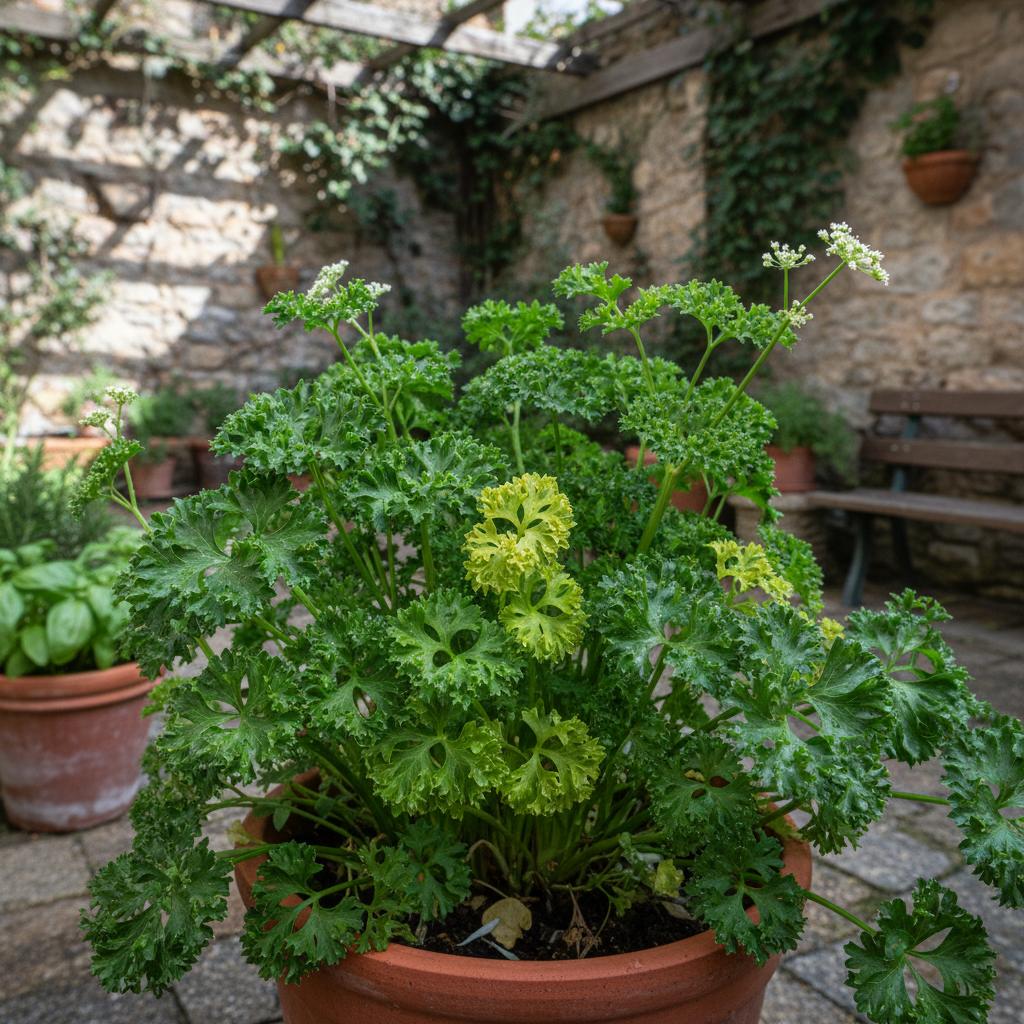
All parts of the plant contain furanocoumarins, the primary toxic principle driving adverse effects
Toxic to cats, dogs, and horses, with photosensitization (sunburn, dermatitis) only occurring after ingestion of very large amounts
Safe for human use as a standard culinary spice in normal quantities, though mild phototoxic contact dermatitis is possible with prolonged exposure
FAQ
Is Parsley toxic to Humans?
Non-toxic in normal culinary use; mild phototoxic contact dermatitis may occur with prolonged skin exposure followed by sunlight (Non-toxic)
Is Parsley toxic to Cats?
Photosensitization, sunburn, and skin dermatitis after ingestion of large quantities of the plant (Low)
Is Parsley toxic to Dogs?
Photosensitization, sunburn, and skin dermatitis after ingestion of large quantities of the plant (Low)
Is Parsley toxic to Horses?
Photosensitization, sunburn, and skin dermatitis after ingestion of large quantities of the plant (Low)
Toxicity Details
Non-toxic in normal culinary use; mild phototoxic contact dermatitis may occur with prolonged skin exposure followed by sunlight
Photosensitization, sunburn, and skin dermatitis after ingestion of large quantities of the plant
Photosensitization, sunburn, and skin dermatitis after ingestion of large quantities of the plant
Photosensitization, sunburn, and skin dermatitis after ingestion of large quantities of the plant
Toxicity Snapshot
First Aid & Prevention
First 30 Minutes
- • Rinse mouth thoroughly with cool water if large amounts were ingested
- • Wash all exposed skin areas with mild soap and cool water immediately after contact with plant sap
- • Move the affected person or animal fully out of direct sunlight to avoid worsening phototoxic reactions
Contact Vet Immediately
- • Large quantities of parsley are ingested by cats, dogs, or horses
- • Blistering, swelling, or painful dermatitis develops after exposure
- • Signs of mouth sores, difficulty eating, or severe discomfort appear post-exposure
Prevention
- • Keep large quantities of parsley out of reach of cats, dogs, and horses
- • Avoid prolonged skin contact with parsley sap, especially before exposure to direct sunlight
- • Confirm plant identification before use, as parsley has highly toxic lookalike species
Treatment & Prognosis
- • Eliminate all direct sunlight exposure for 48 to 72 hours post-exposure
- • Apply topical antibiotic and glucocorticoid ointments to affected skin areas as directed
- • Administer approved analgesics to manage pain associated with dermatitis or mucosal lesions
Professional Toxicology
• Furanocoumarin compounds react with ultraviolet (sunlight) radiation after contact or ingestion
• This photochemical reaction triggers cell damage that leads to skin irritation, blistering, and dermatitis
Information from CliniTox veterinary text.
The following plants look similar and may be confused:
Related Toxic Plants

Download PlantFun App
Identify, grow and care for plants effectively!
Instant Plant ID
Take a photo to quickly identify plants.
Smart Care Reminders
Generate watering and care schedules.
Toxicity & Disease Diagnosis
Identify toxic plants and pests with treatment advice.

Data Sources
This information is for reference only and does not constitute medical advice. If ingestion or poisoning is suspected, seek medical or veterinary attention immediately.