 PlantFun
Guelder Rose Toxic?

Unripe fruits, bark, and leaves are confirmed toxic; ripe berry toxicity ranges from non-toxic to mildly toxic per conflicting literature reports
Ingestion of toxic parts typically causes increased salivation, vomiting, and diarrhea in exposed humans and animals
Leaf hairs of related Viburnum rhytidophyllum may trigger urticaria-like skin reactions on direct contact
FAQ
Is Guelder Rose toxic to Humans?
Increased salivation, vomiting, diarrhea; contact with leaf hairs of related Viburnum species may cause urticaria-like skin rashes (Moderate)
Is Guelder Rose toxic to Cats?
Expected gastrointestinal symptoms including excess salivation, vomiting, diarrhea; no species-specific clinical data available (Low)
Is Guelder Rose toxic to Dogs?
Expected gastrointestinal symptoms including excess salivation, vomiting, diarrhea; no species-specific clinical data available (Low)
Is Guelder Rose toxic to Horses?
Expected gastrointestinal symptoms including excess salivation, vomiting, diarrhea; no species-specific clinical data available (Low)
Toxicity Details
Increased salivation, vomiting, diarrhea; contact with leaf hairs of related Viburnum species may cause urticaria-like skin rashes
Expected gastrointestinal symptoms including excess salivation, vomiting, diarrhea; no species-specific clinical data available
Expected gastrointestinal symptoms including excess salivation, vomiting, diarrhea; no species-specific clinical data available
Expected gastrointestinal symptoms including excess salivation, vomiting, diarrhea; no species-specific clinical data available
Toxicity Snapshot
First Aid & Prevention
First 30 Minutes
- • Rinse mouth thoroughly with clean water to remove remaining plant residues if ingestion occurred
- • Wash affected skin with soap and water immediately if contact with leaf hairs occurs
- • Do not induce vomiting unless explicitly directed by a medical professional or veterinarian
Contact Vet Immediately
- • Ingestion of any amount of unripe fruit, bark, or leaves of the plant
- • Development of persistent vomiting, diarrhea, or excessive salivation after exposure
- • Appearance of skin rash, swelling, or irritation after contact with the plant
Prevention
- • Keep the plant out of reach of children and domestic pets
- • Wear protective gloves when handling Viburnum plants to avoid contact with irritant leaf hairs
- • Do not consume unripe fruits, bark, or leaves of the plant
Treatment & Prognosis
- • Gastrointestinal decontamination (e.g. activated charcoal administration) as clinically appropriate
- • Symptomatic supportive care including fluid therapy to address dehydration from vomiting and diarrhea
- • Antihistamines may be administered for urticaria-like contact skin reactions
Professional Toxicology
• Irritant compounds including saponins and arbutin cause gastrointestinal mucosal damage and irritation upon ingestion
• Microscopic irritant leaf hairs of related Viburnum species trigger localized allergic inflammatory reactions on skin contact
Information from CliniTox veterinary text.
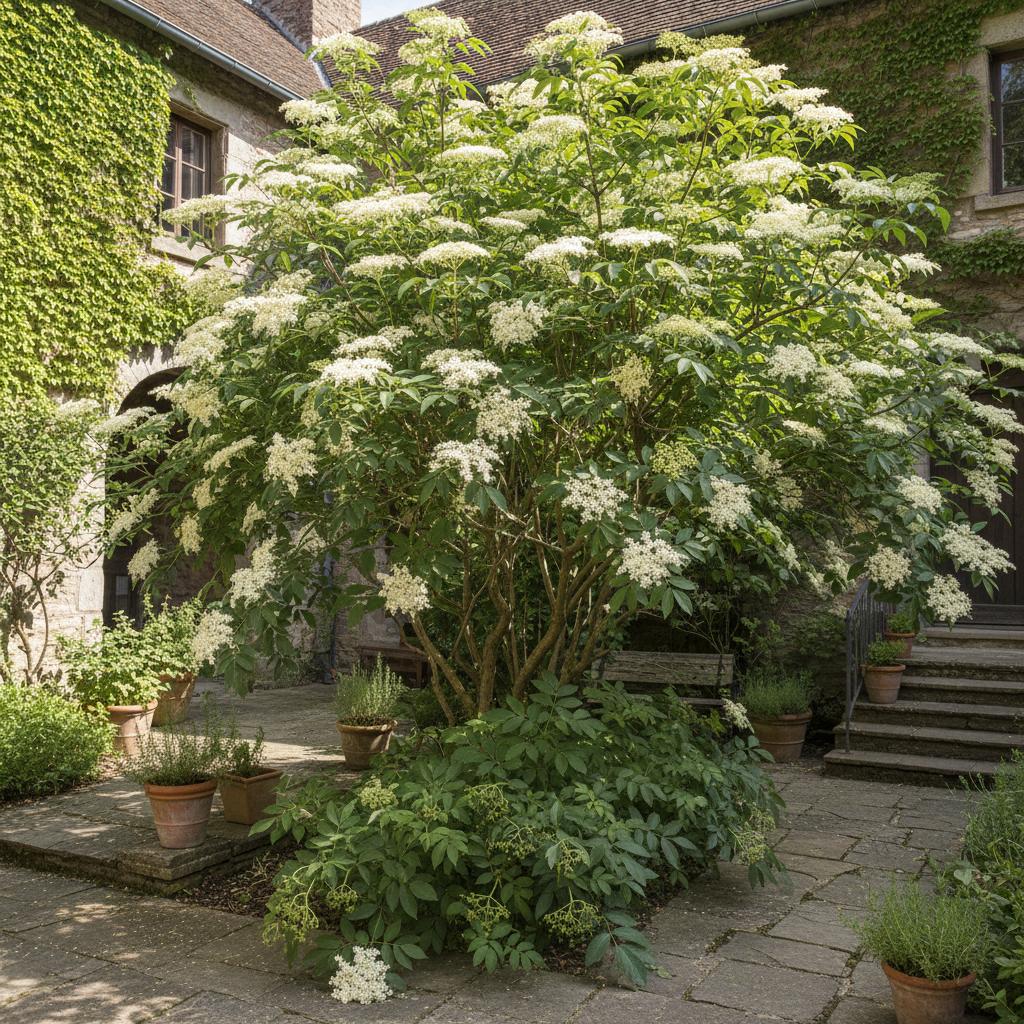
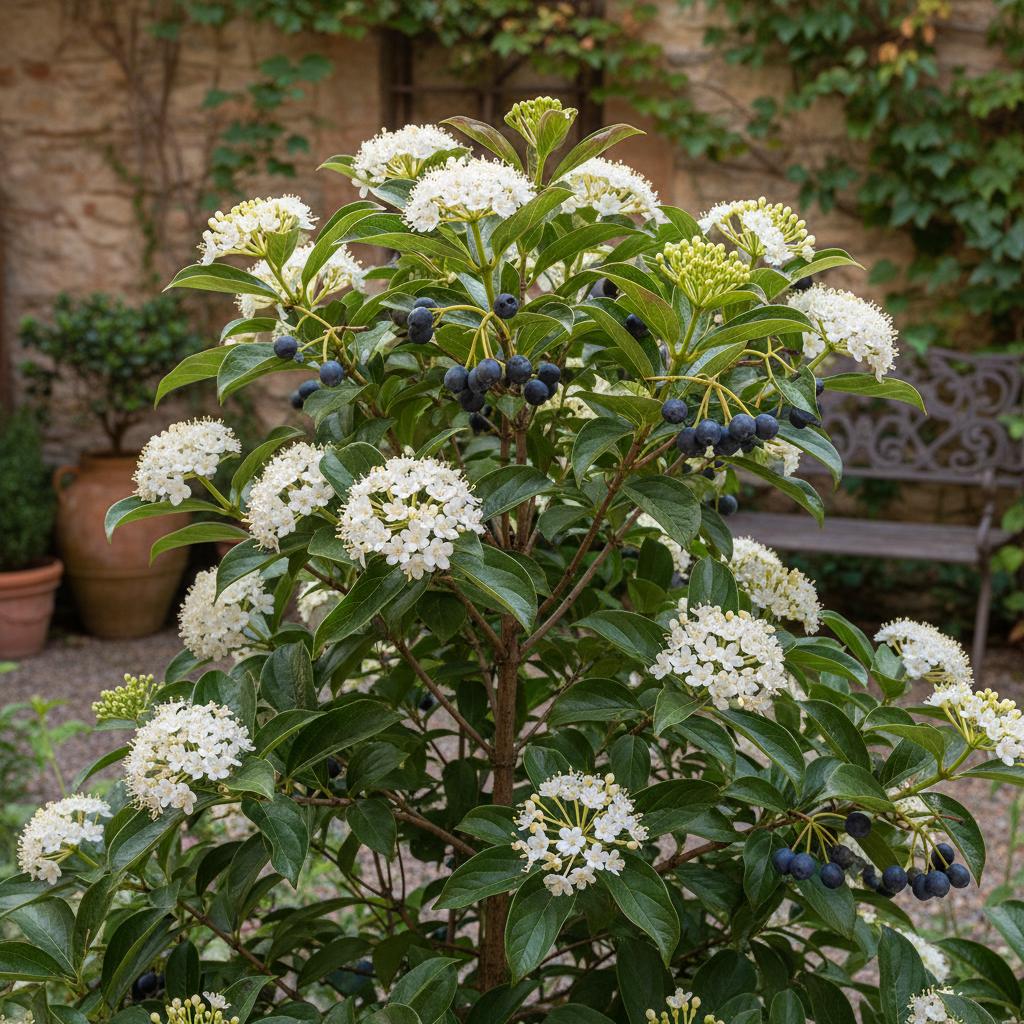
The following plants look similar and may be confused:
Related Toxic Plants
Download PlantFun App
Identify, grow and care for plants effectively!
Instant Plant ID
Take a photo to quickly identify plants.
Smart Care Reminders
Generate watering and care schedules.
Toxicity & Disease Diagnosis
Identify toxic plants and pests with treatment advice.

Data Sources
This information is for reference only and does not constitute medical advice. If ingestion or poisoning is suspected, seek medical or veterinary attention immediately.