 PlantFun
Laurustinus Toxic?
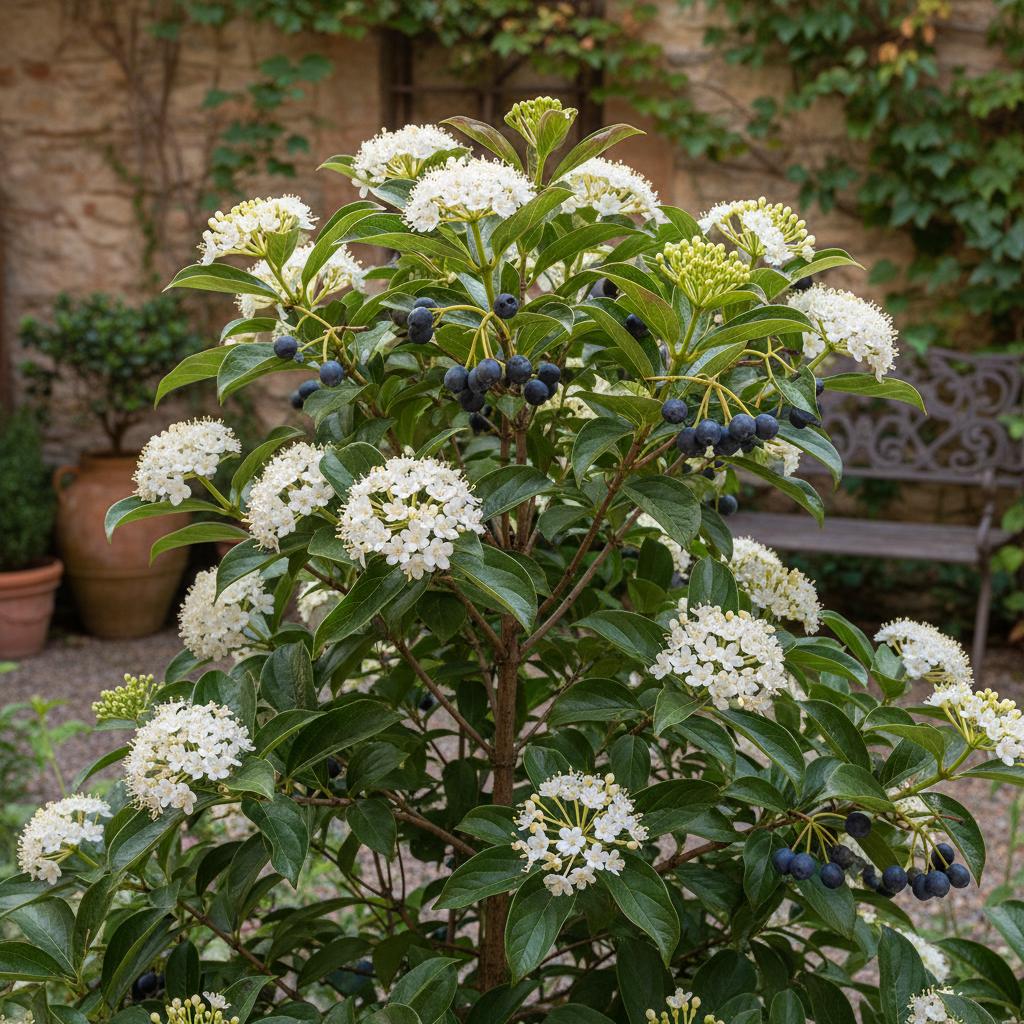
Primary toxic parts are unripe fruits, bark and leaves; ripe berry toxicity ranges from non-toxic to mildly toxic per conflicting reports.
Ingestion commonly causes increased salivation, vomiting and diarrhea in both humans and animals.
Leaf hairs of closely related Viburnum rhytidophyllum may trigger urticaria-like skin reactions on contact.
FAQ
Is Laurustinus toxic to Humans?
Increased salivation, vomiting, diarrhea; contact with leaf hairs of related Viburnum species may cause urticaria-like rashes (Moderate)
Is Laurustinus toxic to Cats?
No species-specific data available, expected to cause gastrointestinal irritation (excessive salivation, vomiting, diarrhea) if toxic parts are ingested (Moderate)
Is Laurustinus toxic to Dogs?
No species-specific data available, expected to cause gastrointestinal irritation (excessive salivation, vomiting, diarrhea) if toxic parts are ingested (Moderate)
Is Laurustinus toxic to Horses?
No species-specific data available, expected to cause gastrointestinal irritation (excessive salivation, diarrhea, abdominal discomfort) if toxic parts are ingested (Moderate)
Toxicity Details
Increased salivation, vomiting, diarrhea; contact with leaf hairs of related Viburnum species may cause urticaria-like rashes
No species-specific data available, expected to cause gastrointestinal irritation (excessive salivation, vomiting, diarrhea) if toxic parts are ingested
No species-specific data available, expected to cause gastrointestinal irritation (excessive salivation, vomiting, diarrhea) if toxic parts are ingested
No species-specific data available, expected to cause gastrointestinal irritation (excessive salivation, diarrhea, abdominal discomfort) if toxic parts are ingested
Toxicity Snapshot
First Aid & Prevention
First 30 Minutes
- • Rinse mouth thoroughly with clean water to remove remaining plant material and reduce irritation
- • Induce vomiting only if explicitly directed by a medical professional or veterinarian
- • Wash affected skin with mild soap and cool water immediately if rash develops after contact
- • Remove any remaining plant pieces from the mouth of children or pets to prevent further ingestion
Contact Vet Immediately
- • Ingestion of large quantities of bark, leaves or unripe fruits by pets
- • Persistent vomiting, diarrhea, lethargy or signs of distress post-ingestion
- • Development of skin swelling, difficulty breathing or severe rashes after exposure
Prevention
- • Keep young children and unsupervised pets away from Laurustinus plants, especially during fruiting season
- • Never consume unripe fruits, bark or leaves of Viburnum tinus plants
- • Wear gloves when pruning related Viburnum species to avoid contact with irritant leaf hairs
Treatment & Prognosis
- • Decontamination (e.g. activated charcoal administration) as directed by a healthcare provider or veterinarian
- • Symptomatic care including fluid therapy for dehydration from vomiting/diarrhea, and anti-emetics to control vomiting
- • Anti-histamines may be prescribed for urticaria-like skin reactions following contact exposure
Professional Toxicology
• Irritant saponins and tannins trigger gastrointestinal mucosa irritation, leading to salivation, vomiting and diarrhea
• Arbutin breaks down to hydroquinone in the digestive tract, contributing to cellular irritation and toxic effects
• Viburtinal and triterpene compounds amplify the irritant effect of ingested plant material
Information from CliniTox veterinary text.
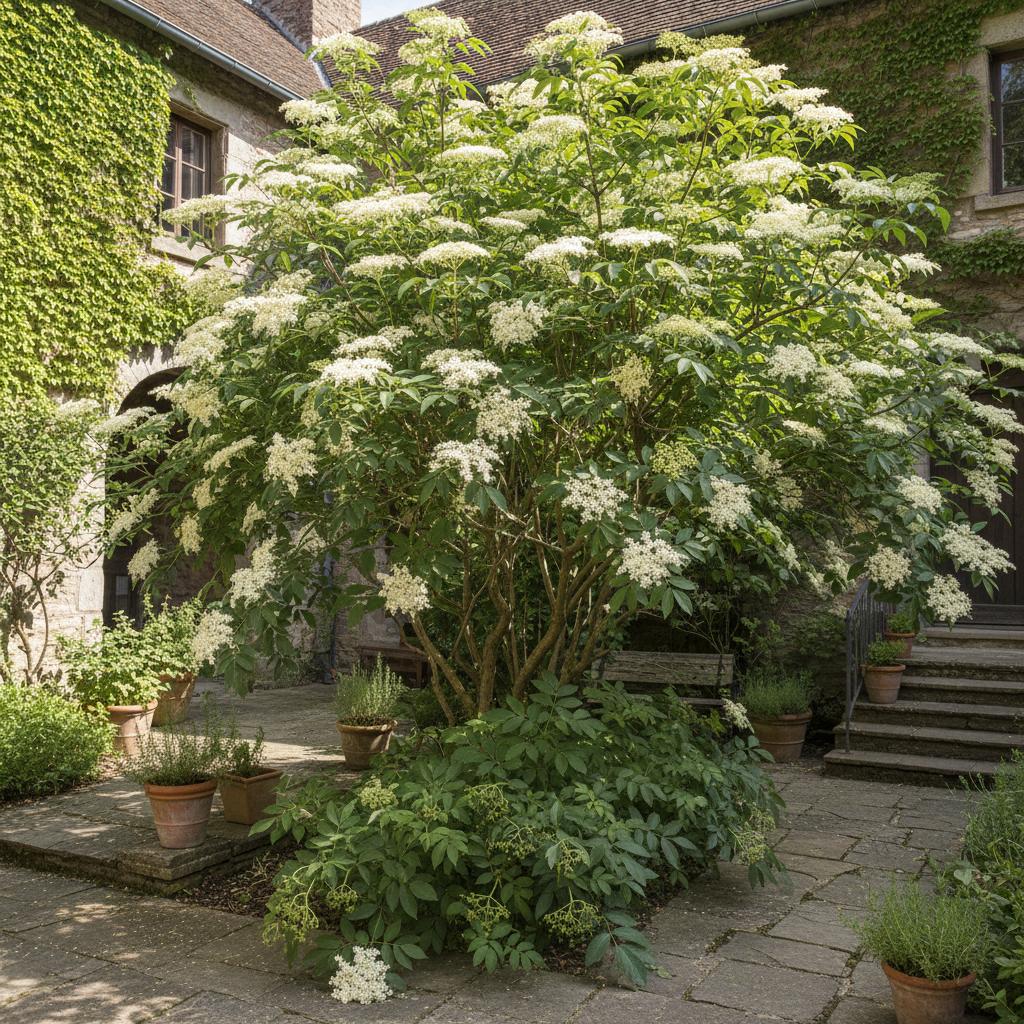
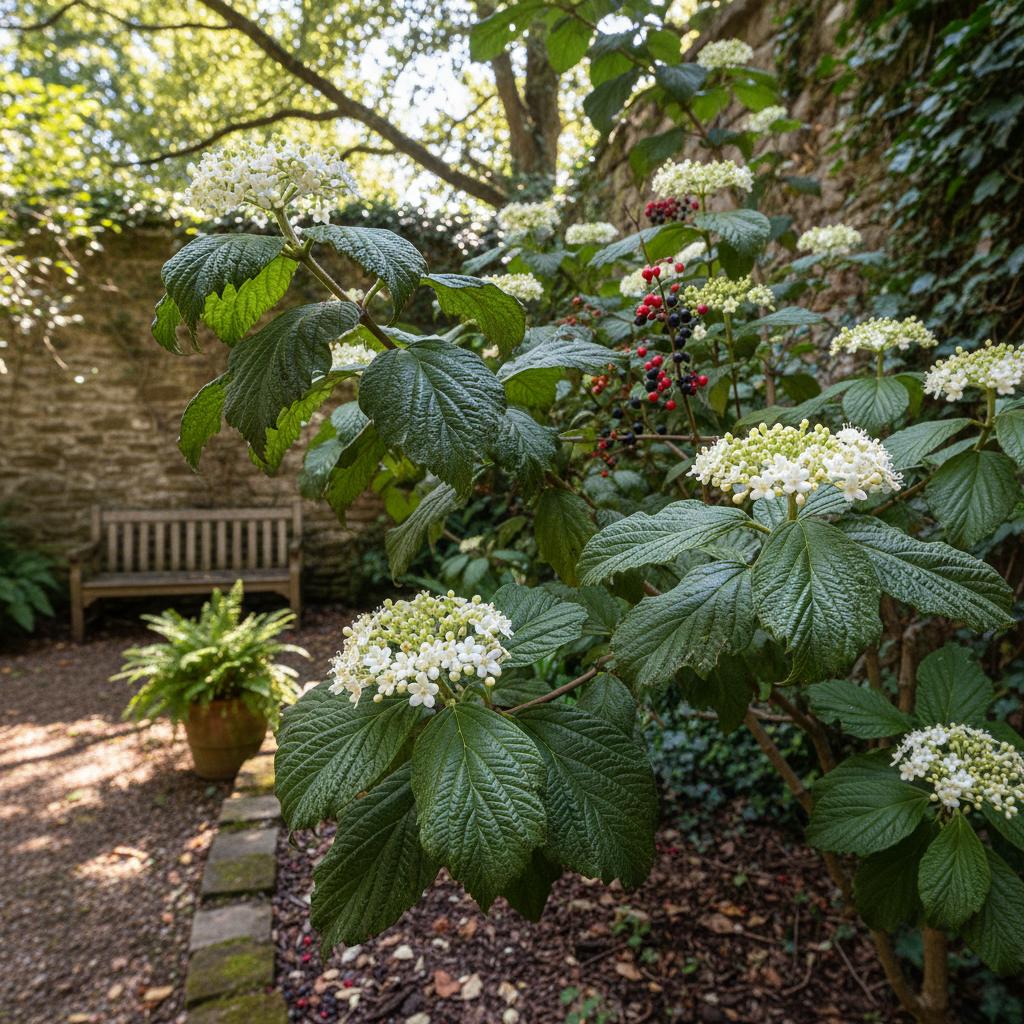
The following plants look similar and may be confused:
Related Toxic Plants

Download PlantFun App
Identify, grow and care for plants effectively!
Instant Plant ID
Take a photo to quickly identify plants.
Smart Care Reminders
Generate watering and care schedules.
Toxicity & Disease Diagnosis
Identify toxic plants and pests with treatment advice.

Data Sources
This information is for reference only and does not constitute medical advice. If ingestion or poisoning is suspected, seek medical or veterinary attention immediately.