 PlantFun
Chinese rhubarb Toxic?
All parts of the plant are toxic, with the highest concentration of anthracene derivatives found in the roots
Large ingestions can trigger hypocalcemia, kidney failure, and fatal outcomes in small livestock
Most mild exposures only cause self-limiting gastrointestinal distress, with severe symptoms limited to large intake cases
FAQ
Is Chinese rhubarb toxic to Humans?
Gastroenteritis, vomiting, diarrhea, abdominal pain; large ingestions may cause muscle cramps, heart arrhythmia (from hypocalcemia), polyuria followed by anuria (kidney damage), incoordination, dyspnea, weakness, and liver injury (Low)
Is Chinese rhubarb toxic to Cats?
No species-specific clinical data available; expected symptoms include drooling, vomiting, diarrhea, and potential kidney damage with large ingestions (Low)
Is Chinese rhubarb toxic to Dogs?
No species-specific clinical data available; expected symptoms include drooling, vomiting, diarrhea, and potential kidney damage with large ingestions (Low)
Is Chinese rhubarb toxic to Horses?
No species-specific clinical data available; expected symptoms include gastrointestinal distress, reduced appetite, and potential kidney damage with large ingestions (Low)
Toxicity Details
Gastroenteritis, vomiting, diarrhea, abdominal pain; large ingestions may cause muscle cramps, heart arrhythmia (from hypocalcemia), polyuria followed by anuria (kidney damage), incoordination, dyspnea, weakness, and liver injury
No species-specific clinical data available; expected symptoms include drooling, vomiting, diarrhea, and potential kidney damage with large ingestions
No species-specific clinical data available; expected symptoms include drooling, vomiting, diarrhea, and potential kidney damage with large ingestions
No species-specific clinical data available; expected symptoms include gastrointestinal distress, reduced appetite, and potential kidney damage with large ingestions
Toxicity Snapshot
First Aid & Prevention
First 30 Minutes
- • Remove all remaining plant material from the exposed individual's mouth immediately
- • For recent ingestion in conscious individuals, administer activated charcoal per medical/vet guidance to reduce toxin absorption
- • Rinse mouth thoroughly with clean water and monitor for early symptoms like vomiting or abdominal pain
Contact Vet Immediately
- • Ingestion of more than a small bite of the plant, especially in small children, small pets, or livestock
- • Appearance of severe symptoms including muscle cramps, difficulty breathing, bloody diarrhea, or reduced urination
- • Known ingestion of large quantities of the plant, even if no symptoms are immediately present
Prevention
- • Keep Chinese rhubarb plants out of reach of children, pets, and grazing livestock
- • Do not consume wild-harvested Rheum species unless positively identified as edible and properly prepared
- • Avoid planting ornamental toxic rhubarb varieties in areas accessible to free-roaming pets or livestock
Treatment & Prognosis
- • Perform decontamination (gastric lavage/activated charcoal) for recent large ingestions
- • Provide symptomatic care including analgesics, antihistamines if indicated, and fluid support to protect kidney function
- • Administer calcium supplementation for large ingestion cases to correct hypocalcemia
- • Monitor electrolyte levels, kidney function, and heart rhythm for 24-48 hours post-exposure
Professional Toxicology
• Oxalates bind to circulating calcium, causing hypocalcemia and crystalline damage to kidney tubules
• Anthracene derivatives irritate the gastrointestinal mucosa, and accumulate to cause liver and kidney injury in high doses
Information from CliniTox veterinary text.
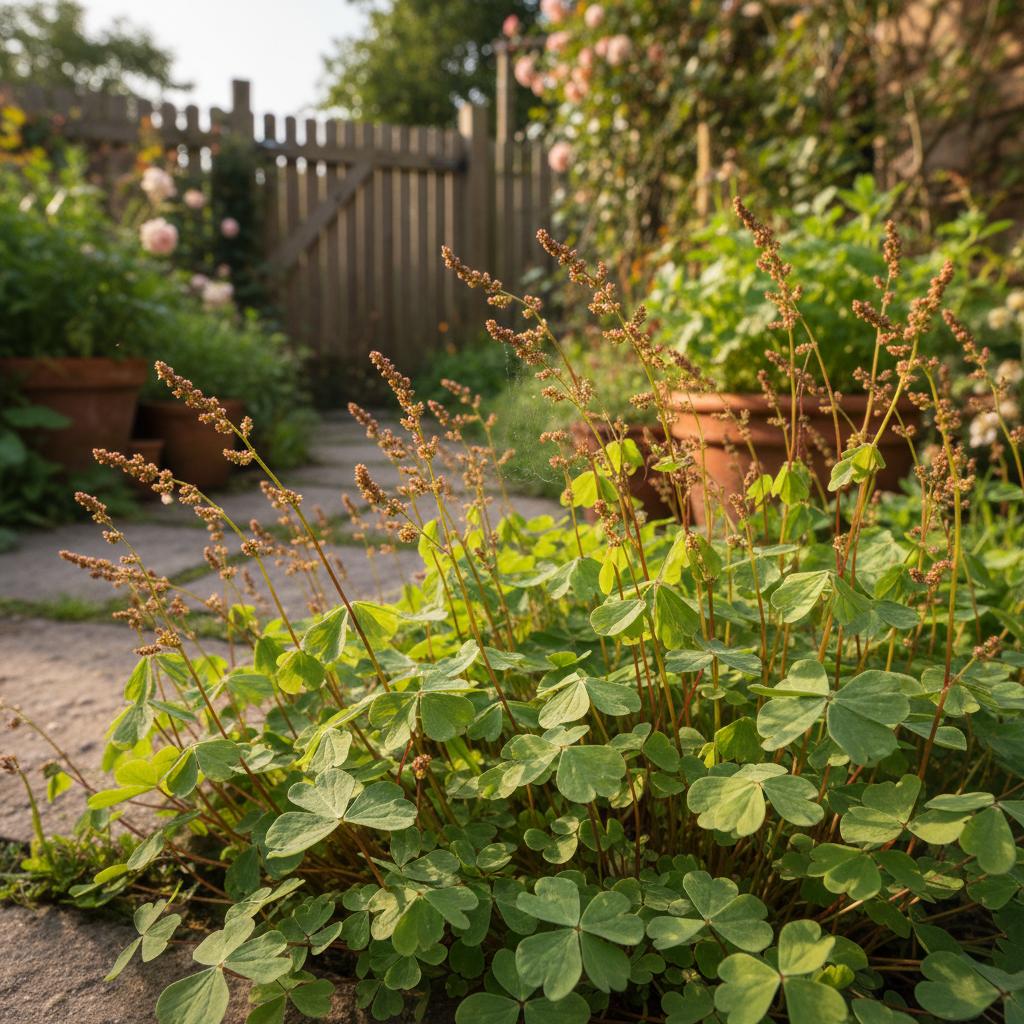
The following plants look similar and may be confused:
Related Toxic Plants

Download PlantFun App
Identify, grow and care for plants effectively!
Instant Plant ID
Take a photo to quickly identify plants.
Smart Care Reminders
Generate watering and care schedules.
Toxicity & Disease Diagnosis
Identify toxic plants and pests with treatment advice.

Data Sources
This information is for reference only and does not constitute medical advice. If ingestion or poisoning is suspected, seek medical or veterinary attention immediately.