 PlantFun
Sheep sorrel Toxic?
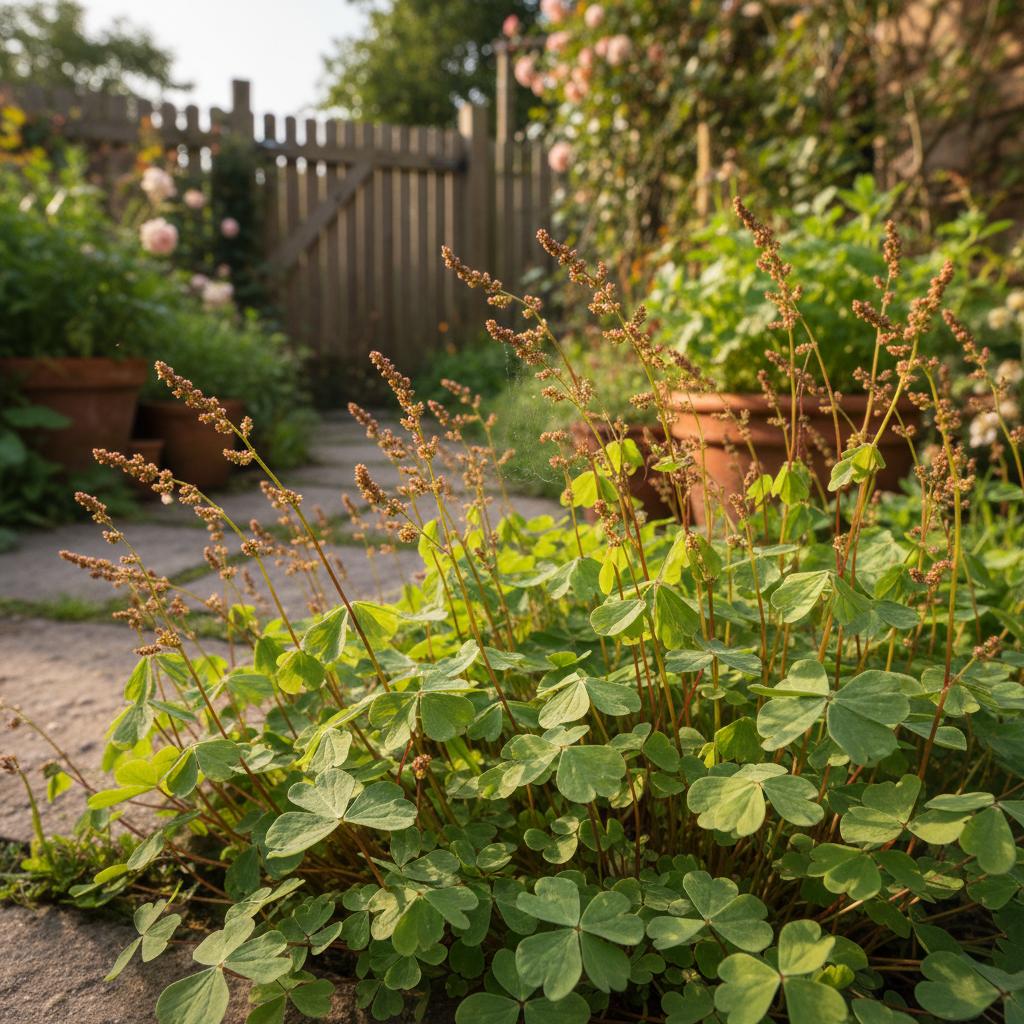
The entire plant remains toxic even when prepared as dry animal fodder
Sheep and horses are highly sensitive to its toxins, while cattle can develop tolerance with gradual low-level exposure
Severe untreated exposure can cause cardiac abnormalities, kidney failure, and potentially fatal outcomes
FAQ
Is Sheep sorrel toxic to Humans?
Not fully documented; expected symptoms include vomiting, abdominal pain, bloody diarrhea, kidney irritation, and muscle tremors with large ingestion (Low)
Is Sheep sorrel toxic to Cats?
Limited species-specific data; suspected symptoms include vomiting, bloody diarrhea, abdominal pain, tremors, and blood in urine after significant ingestion (Unknown)
Is Sheep sorrel toxic to Dogs?
Limited species-specific data; suspected symptoms include vomiting, bloody diarrhea, abdominal colic, tremors, and potential kidney damage with large intake (Unknown)
Is Sheep sorrel toxic to Horses?
Depression, excessive salivation, tremors, ataxia, possible recumbency, difficulty breathing, vomiting (high risk of aspiration pneumonia); high sensitivity to oxalate toxicity (Low)
Toxicity Details
Not fully documented; expected symptoms include vomiting, abdominal pain, bloody diarrhea, kidney irritation, and muscle tremors with large ingestion
Limited species-specific data; suspected symptoms include vomiting, bloody diarrhea, abdominal pain, tremors, and blood in urine after significant ingestion
Limited species-specific data; suspected symptoms include vomiting, bloody diarrhea, abdominal colic, tremors, and potential kidney damage with large intake
Depression, excessive salivation, tremors, ataxia, possible recumbency, difficulty breathing, vomiting (high risk of aspiration pneumonia); high sensitivity to oxalate toxicity
Toxicity Snapshot
First Aid & Prevention
First 30 Minutes
- • Remove all remaining plant material from the mouth of the exposed individual/animal immediately
- • Do not induce vomiting unless explicitly directed by a medical or veterinary professional
- • Administer calcium-rich fluids (e.g., milk, oral calcium carbonate) if no seizures or convulsions are present to bind oxalates
Contact Vet Immediately
- • Any confirmed ingestion by horses, sheep, or small companion pets
- • Presence of symptoms including bloody diarrhea, tremors, paralysis, difficulty breathing, or blood in urine
- • Ingestion of large quantities of the plant even if no initial symptoms are observed
Prevention
- • Regularly clear sheep sorrel growth from pastures to avoid accidental consumption by grazing livestock
- • Inspect dry fodder supplies to ensure no contamination with toxic dry sheep sorrel
- • Keep the plant out of reach of small children and household pets
Treatment & Prognosis
- • Administer calcium via gastric tube to precipitate ingested oxalates
- • Perform appropriate gastrointestinal decontamination as clinically indicated
- • Provide symptomatic supportive care including analgesics, fluid therapy to support renal function, and antihistamines if needed
- • Closely monitor cardiac and renal function for 24-72 hours post-exposure
Professional Toxicology
• Oxalates bind to circulating calcium, causing hypocalcemia and forming insoluble calcium oxalate crystals that damage organ tissue
• Anthracene and naphthalene derivatives irritate the gastrointestinal tract and cause systemic toxic effects
• Accumulated nitrates may reduce oxygen transport in the bloodstream in severe exposure cases
Information from CliniTox veterinary text.
The following plants look similar and may be confused:
Related Toxic Plants


Download PlantFun App
Identify, grow and care for plants effectively!
Instant Plant ID
Take a photo to quickly identify plants.
Smart Care Reminders
Generate watering and care schedules.
Toxicity & Disease Diagnosis
Identify toxic plants and pests with treatment advice.

Data Sources
This information is for reference only and does not constitute medical advice. If ingestion or poisoning is suspected, seek medical or veterinary attention immediately.