 PlantFun
Buckwheat Toxic?
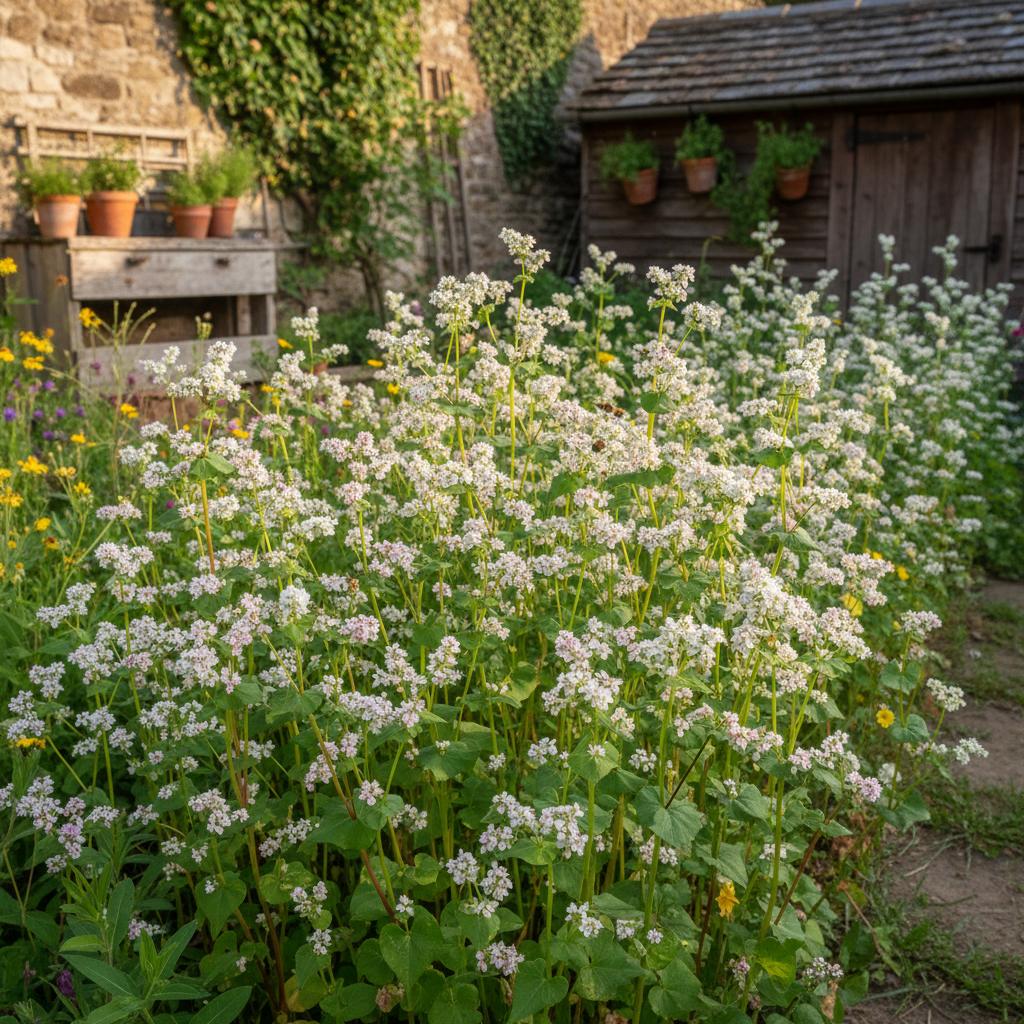
Fagopyrin, the primary toxic compound, remains active even when the plant is dried into hay.
Ingestion has a multi-day latency period, with symptoms only appearing after sun exposure.
Severe necrotic skin lesions, liver/nervous system damage, and death are possible in affected animals.
FAQ
Is Buckwheat toxic to Humans?
No confirmed human toxicity cases are documented in available data. (Non-toxic)
Is Buckwheat toxic to Cats?
No specific feline toxicity data available, monitor for skin irritation or photosensitivity if ingested. (Low)
Is Buckwheat toxic to Dogs?
No specific canine toxicity data available, monitor for skin irritation or photosensitivity if ingested. (Low)
Is Buckwheat toxic to Horses?
Photosensitive dermatitis (redness, edema) on unprotected skin (lips, eyelids, ears, vulva), slow-healing necrotic lesions, potential liver and neurological symptoms, risk of fatal reactions. (High)
Toxicity Details
No confirmed human toxicity cases are documented in available data.
No specific feline toxicity data available, monitor for skin irritation or photosensitivity if ingested.
No specific canine toxicity data available, monitor for skin irritation or photosensitivity if ingested.
Photosensitive dermatitis (redness, edema) on unprotected skin (lips, eyelids, ears, vulva), slow-healing necrotic lesions, potential liver and neurological symptoms, risk of fatal reactions.
Toxicity Snapshot
First Aid & Prevention
First 30 Minutes
- • Move the exposed animal to complete, continuous shade immediately to stop symptom progression.
- • Remove all buckwheat-containing feed, hay, or plant material from the animal's access.
- • Rinse exposed unprotected skin with cool clean water to reduce surface irritation.
Contact Vet Immediately
- • The animal develops skin redness, swelling, or lesions after suspected buckwheat ingestion.
- • The animal shows signs of lethargy, jaundice, disorientation, or other neurological changes.
- • Skin lesions appear necrotic or do not improve within 24 to 48 hours of first aid.
Prevention
- • Do not feed buckwheat, buckwheat hay, or buckwheat seed coat byproducts to horses, sheep, or other grazing livestock.
- • Inspect pastures regularly to remove wild buckwheat growth before it reaches flowering stage.
- • Keep animals that may have ingested buckwheat out of direct sun for a minimum of 7 days post-exposure.
Treatment & Prognosis
- • House the affected animal in a fully shaded, enclosed space for 5 to 7 days post-exposure.
- • Provide local symptomatic care for skin lesions to prevent secondary infection and support healing.
- • Administer supportive care for liver or neurological symptoms as prescribed by a licensed veterinarian.
Professional Toxicology
• Fagopyrin, a photosensitizing compound similar to hypericin, accumulates in tissue after ingestion.
• UV light exposure triggers inflammatory reactions in unprotected skin where fagopyrin is deposited.
• Antinutritional compounds in seeds inhibit trypsin and protease function, impairing nutrient absorption.
Information from CliniTox veterinary text.
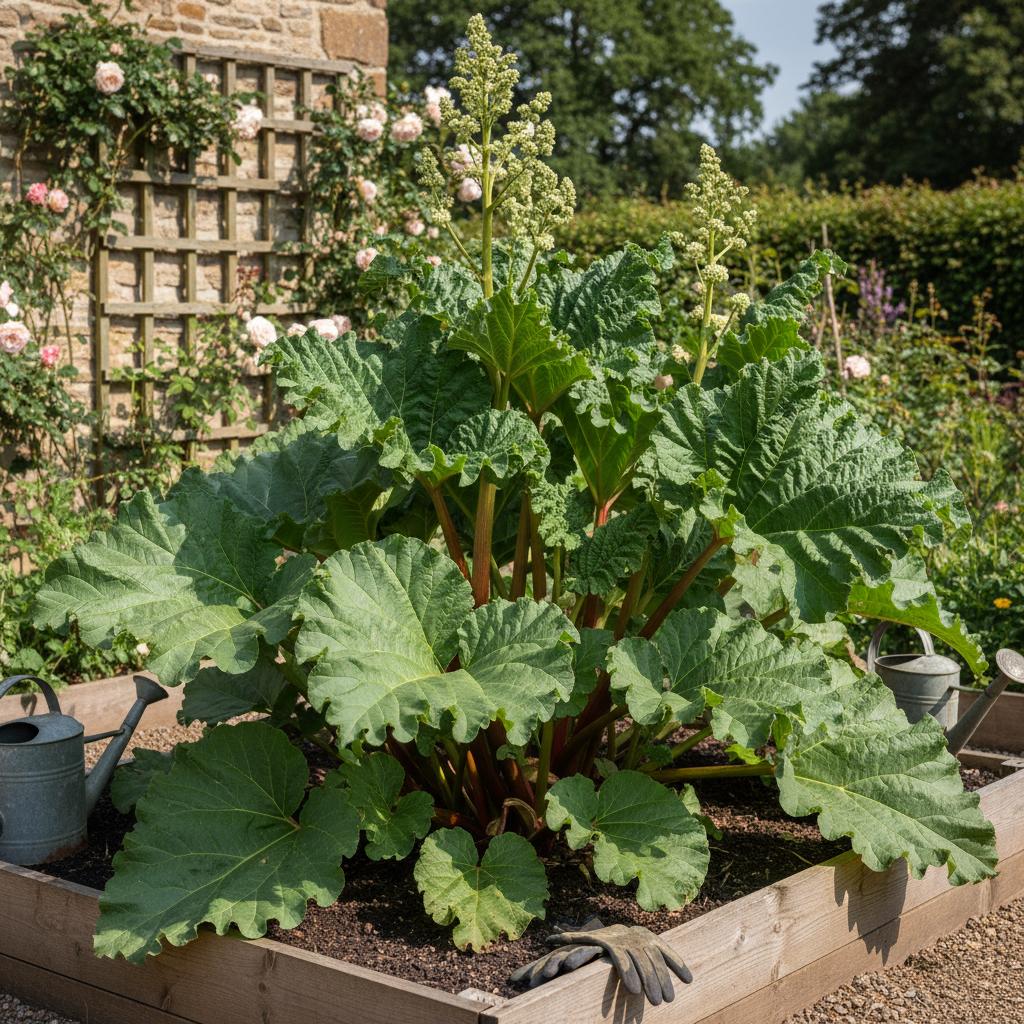
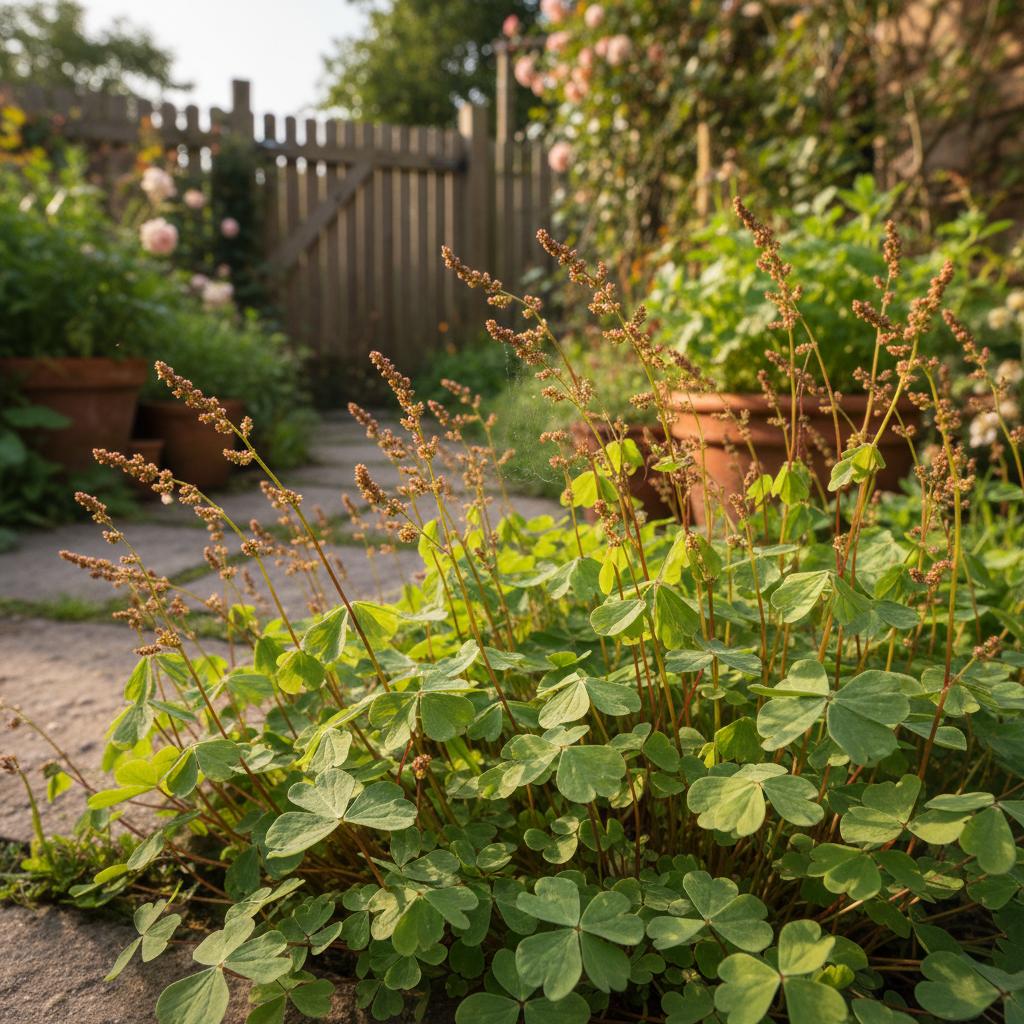
The following plants look similar and may be confused:
Related Toxic Plants

Download PlantFun App
Identify, grow and care for plants effectively!
Instant Plant ID
Take a photo to quickly identify plants.
Smart Care Reminders
Generate watering and care schedules.
Toxicity & Disease Diagnosis
Identify toxic plants and pests with treatment advice.

Data Sources
This information is for reference only and does not constitute medical advice. If ingestion or poisoning is suspected, seek medical or veterinary attention immediately.