 PlantFun
Beets Toxic?
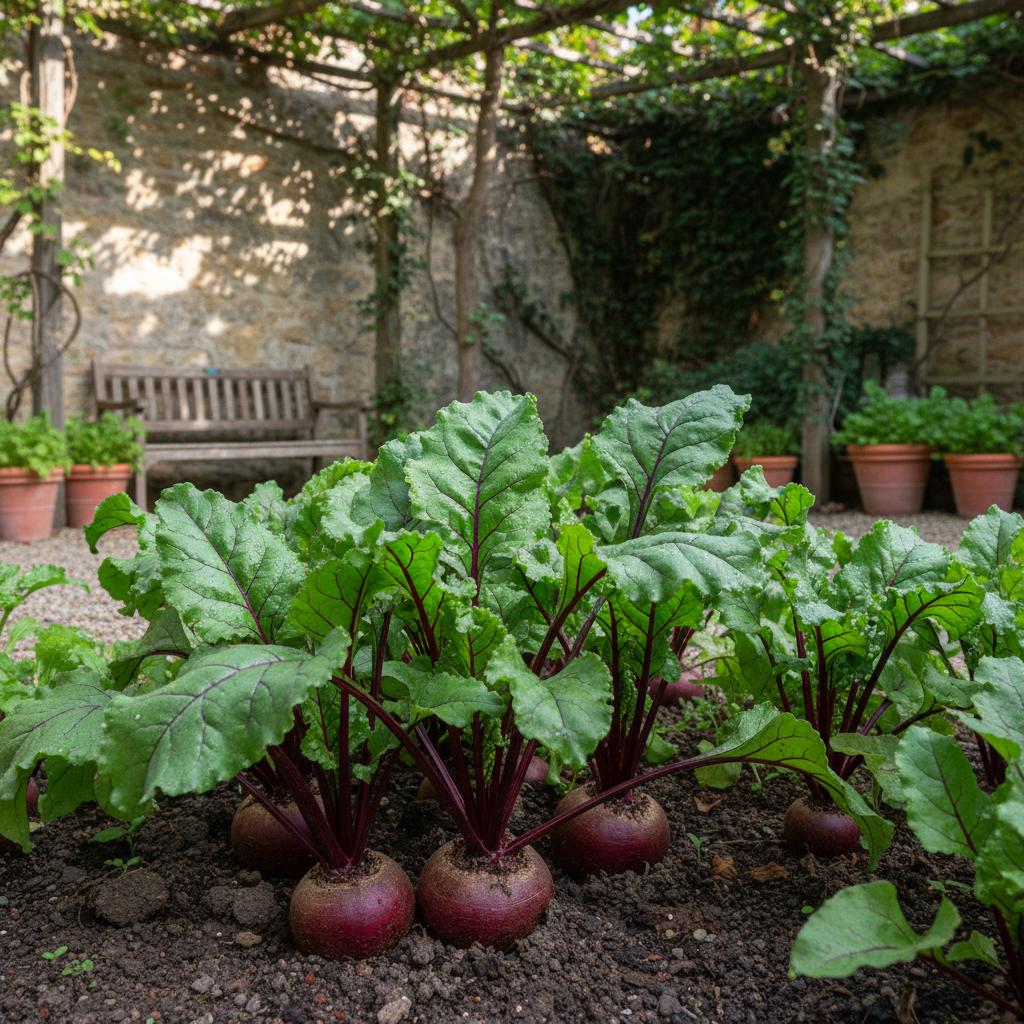
Non-toxic to cats, dogs, and horses per ASPCA, with no adverse effects expected from typical consumption for these species.
Mature beet leaves contain high levels of oxalic acid and nitrates that can trigger poisoning in cattle, pigs, and dairy cows if eaten in large amounts.
Livestock toxicity can cause severe gastrointestinal, liver, kidney, and neurological damage, with possible rapid death in some cases.
FAQ
Is Beets toxic to Humans?
No specific severe toxicity data reported for humans; very large intake of mature leaves may cause mild gastrointestinal upset from oxalic acid. (Low)
Is Beets toxic to Cats?
Non-toxic, no expected adverse symptoms from normal consumption. (Non-toxic)
Is Beets toxic to Dogs?
Non-toxic, no expected adverse symptoms from normal consumption. (Non-toxic)
Is Beets toxic to Horses?
Non-toxic, no expected adverse symptoms from normal consumption. (Non-toxic)
Toxicity Details
No specific severe toxicity data reported for humans; very large intake of mature leaves may cause mild gastrointestinal upset from oxalic acid.
Non-toxic, no expected adverse symptoms from normal consumption.
Non-toxic, no expected adverse symptoms from normal consumption.
Non-toxic, no expected adverse symptoms from normal consumption.
Toxicity Snapshot
First Aid & Prevention
First 30 Minutes
- • For pets: If very large quantities of mature leaves are ingested, offer small amounts of water, do not induce vomiting unless directed by a vet.
- • For livestock: Immediately remove access to all remaining beet plant material, move affected animals to a cool, quiet area.
Contact Vet Immediately
- • Pets show signs of vomiting, diarrhea, or lethargy after consuming very large amounts of beet leaves.
- • Livestock exhibit diarrhea, ataxia, paralysis, discolored urine, or sudden lethargy after access to beets.
Prevention
- • Do not feed livestock unbalanced, large quantities of beets or beet leaves as the sole feed source.
- • Keep discarded mature beet leaves and spoiled roots away from unsupervised livestock access.
- • Small servings of beet root or young leaves are safe for cats, dogs, and horses for regular consumption.
Treatment & Prognosis
- • Perform decontamination (induced vomiting, activated charcoal) for recent large ingestions as clinically indicated.
- • Provide symptomatic supportive care including pain relievers and antihistamines if required.
- • Administer calcium supplementation for cases of very large oxalate ingestion.
Professional Toxicology
• Oxalate salts bind to systemic calcium, leading to hypocalcemia and kidney damage from calcium oxalate crystal formation.
• High nitrate content in leaves impairs oxygen transport and causes methemoglobinemia in sensitive livestock species.
• Excess sugar and irritant compounds in roots trigger severe gastrointestinal damage and inflammation in livestock when overconsumed.
Information from CliniTox veterinary text.
The following plants look similar and may be confused:
Related Toxic Plants
Download PlantFun App
Identify, grow and care for plants effectively!
Instant Plant ID
Take a photo to quickly identify plants.
Smart Care Reminders
Generate watering and care schedules.
Toxicity & Disease Diagnosis
Identify toxic plants and pests with treatment advice.

Data Sources
This information is for reference only and does not constitute medical advice. If ingestion or poisoning is suspected, seek medical or veterinary attention immediately.