 PlantFun
Italian arum Toxic?

All plant parts including berries are toxic to most mammals, though berries are non-toxic to birds
Toxicity is driven by calcium oxalate raphides, oxalates, glycosides, and saponins
Ingestion can cause severe gastrointestinal irritation, neurological damage, and permanent organ injury
FAQ
Is Italian arum toxic to Humans?
Salivation, dyspnea from pharyngeal edema, vomiting, abdominal pain, tenesmus, diarrhea, movement disorders, heart arrhythmia, hypotension, and potential CNS, liver, and kidney damage (High)
Is Italian arum toxic to Cats?
No species-specific clinical data available; expected symptoms include oral irritation, excessive salivation, vomiting, diarrhea, and abdominal pain post-ingestion (High)
Is Italian arum toxic to Dogs?
Documented poisoning cases show salivation, vomiting, abdominal pain, diarrhea, and potential organ damage in severe cases (High)
Is Italian arum toxic to Horses?
Restlessness, head turning, pawing at the abdomen, frequent lying down, appetite loss, adipsia, salivation, diarrhea, and intestinal peristalsis paralysis (High)
Toxicity Details
Salivation, dyspnea from pharyngeal edema, vomiting, abdominal pain, tenesmus, diarrhea, movement disorders, heart arrhythmia, hypotension, and potential CNS, liver, and kidney damage
No species-specific clinical data available; expected symptoms include oral irritation, excessive salivation, vomiting, diarrhea, and abdominal pain post-ingestion
Documented poisoning cases show salivation, vomiting, abdominal pain, diarrhea, and potential organ damage in severe cases
Restlessness, head turning, pawing at the abdomen, frequent lying down, appetite loss, adipsia, salivation, diarrhea, and intestinal peristalsis paralysis
Toxicity Snapshot
First Aid & Prevention
First 30 Minutes
- • Remove any remaining plant material from the mouth, skin, or fur of the exposed individual immediately
- • Rinse the mouth thoroughly with cool clean water to reduce local irritation from oxalate crystals
- • Do not induce vomiting unless explicitly directed by a medical or veterinary professional
- • Monitor closely for signs of respiratory distress caused by pharyngeal swelling
Contact Vet Immediately
- • Any confirmed or suspected ingestion of the plant by children, pets, or livestock
- • Development of symptoms including excessive salivation, difficulty breathing, vomiting, diarrhea, or abdominal pain post-exposure
- • Signs of neurological changes, abnormal behavior, or collapse following exposure
Prevention
- • Keep the plant out of reach of children and pets, and restrict grazing livestock access to areas where it grows
- • Verify the identity of foraged wild greens by checking for the characteristic garlic scent of wild garlic before consumption
- • Wear protective gloves when handling the plant to avoid contact with irritant oxalate crystals
Treatment & Prognosis
- • Initiate appropriate decontamination measures as per standard toxic exposure protocols
- • Administer analgesics to relieve pain from local mucosal irritation
- • Use antihistamines or glucocorticoids to treat severe swelling and inflammatory reactions
- • Provide calcium supplementation for cases of very large ingestion to correct oxalate-induced hypocalcemia
- • Deliver supportive symptomatic care for associated symptoms including arrhythmia, diarrhea, and organ damage
Professional Toxicology
• Needle-shaped calcium oxalate raphides cause immediate local irritation and damage to mucous membranes on contact or ingestion
• Soluble oxalates bind to systemic calcium, potentially leading to hypocalcemia and crystalline damage to kidneys and other organs
• Glycosides and saponins contribute to systemic toxicity, though cyanide poisoning from triglochinin is rare due to immediate irritation limiting ingestion volume
Information from CliniTox veterinary text.
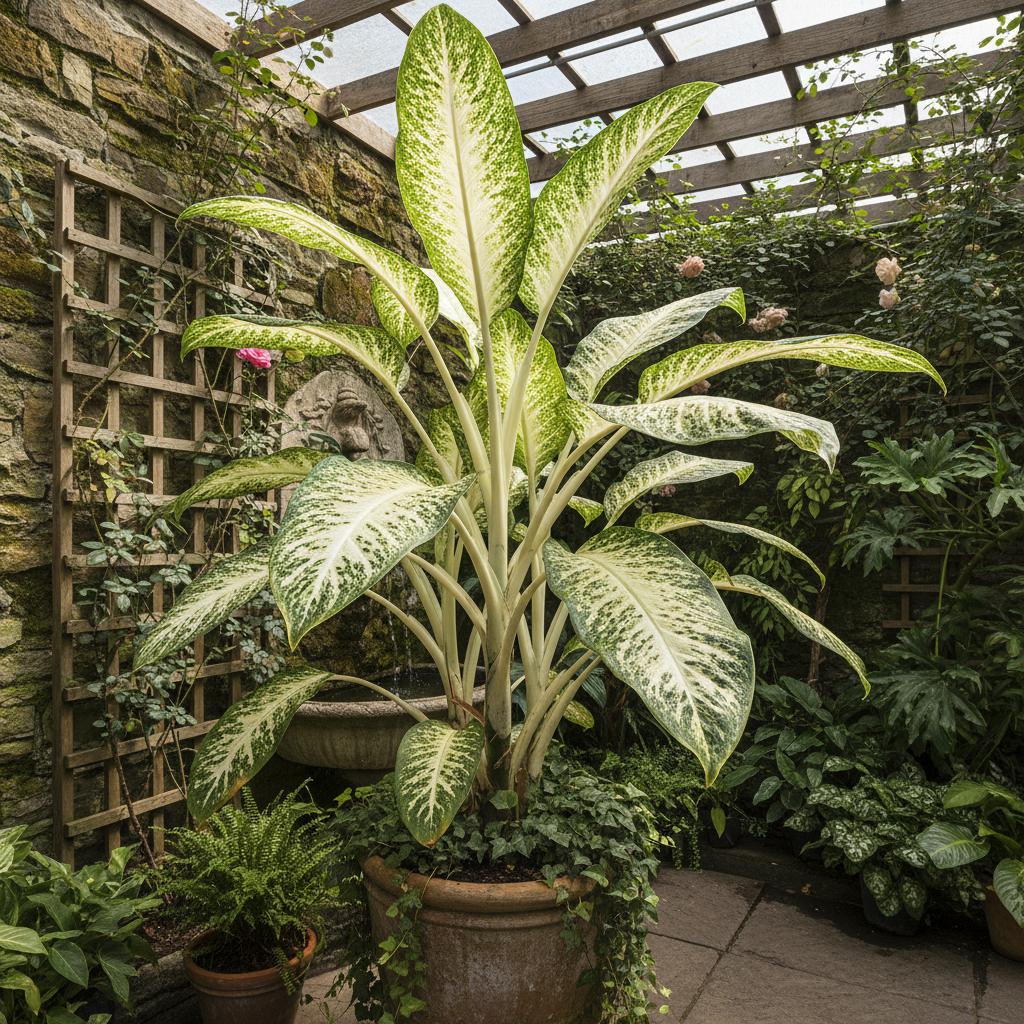
The following plants look similar and may be confused:
Related Toxic Plants


Download PlantFun App
Identify, grow and care for plants effectively!
Instant Plant ID
Take a photo to quickly identify plants.
Smart Care Reminders
Generate watering and care schedules.
Toxicity & Disease Diagnosis
Identify toxic plants and pests with treatment advice.

Data Sources
This information is for reference only and does not constitute medical advice. If ingestion or poisoning is suspected, seek medical or veterinary attention immediately.