 PlantFun
Sage Toxic?

Sage is confirmed non-toxic to cats, dogs, and horses per official toxicology datasets
Chronic high human intake may cause gastrointestinal irritation and associated symptoms
All parts of the plant contain low levels of potentially irritant compounds including thujone and camphor
FAQ
Is Sage toxic to Humans?
Chronic excessive intake may cause gastrointestinal mucosa irritation, increased salivation, abdominal pain, and diarrhea (Low)
Is Sage toxic to Cats?
No known toxic symptoms reported from standard exposure (Non-toxic)
Is Sage toxic to Dogs?
No known toxic symptoms reported from standard exposure (Non-toxic)
Is Sage toxic to Horses?
No known toxic symptoms reported from standard exposure (Non-toxic)
Toxicity Details
Chronic excessive intake may cause gastrointestinal mucosa irritation, increased salivation, abdominal pain, and diarrhea
No known toxic symptoms reported from standard exposure
No known toxic symptoms reported from standard exposure
No known toxic symptoms reported from standard exposure
Toxicity Snapshot
First Aid & Prevention
First 30 Minutes
- • If large amounts are ingested by humans, rinse the mouth thoroughly and drink 1-2 glasses of water to dilute irritant compounds
- • Wash affected areas with mild soap and cool water immediately if skin irritation occurs after contact
- • Monitor for onset of gastrointestinal symptoms for 2 to 4 hours post-exposure
Contact Vet Immediately
- • Persistent vomiting, diarrhea or lethargy occurs after ingestion of extremely large quantities of sage
- • Your pet has pre-existing gastrointestinal or liver conditions prior to exposure
- • Symptoms do not resolve spontaneously within 24 hours
Prevention
- • Avoid long-term excessive consumption of concentrated sage supplements or essential oil by humans
- • Keep concentrated sage essential oil out of reach of small children and pets
- • Accurately identify sage before use to avoid confusion with toxic related Salvia species
Treatment & Prognosis
- • Supportive care including fluid replacement and gastrointestinal symptom management for severe excess intake cases
- • No specific antidote exists, care is targeted to presenting symptoms
- • Monitor liver and kidney function in cases of extreme chronic overconsumption
Professional Toxicology
• Essential oil compounds including thujone and camphor irritate the gastrointestinal mucosal lining with repeated high exposure
Information from CliniTox veterinary text.
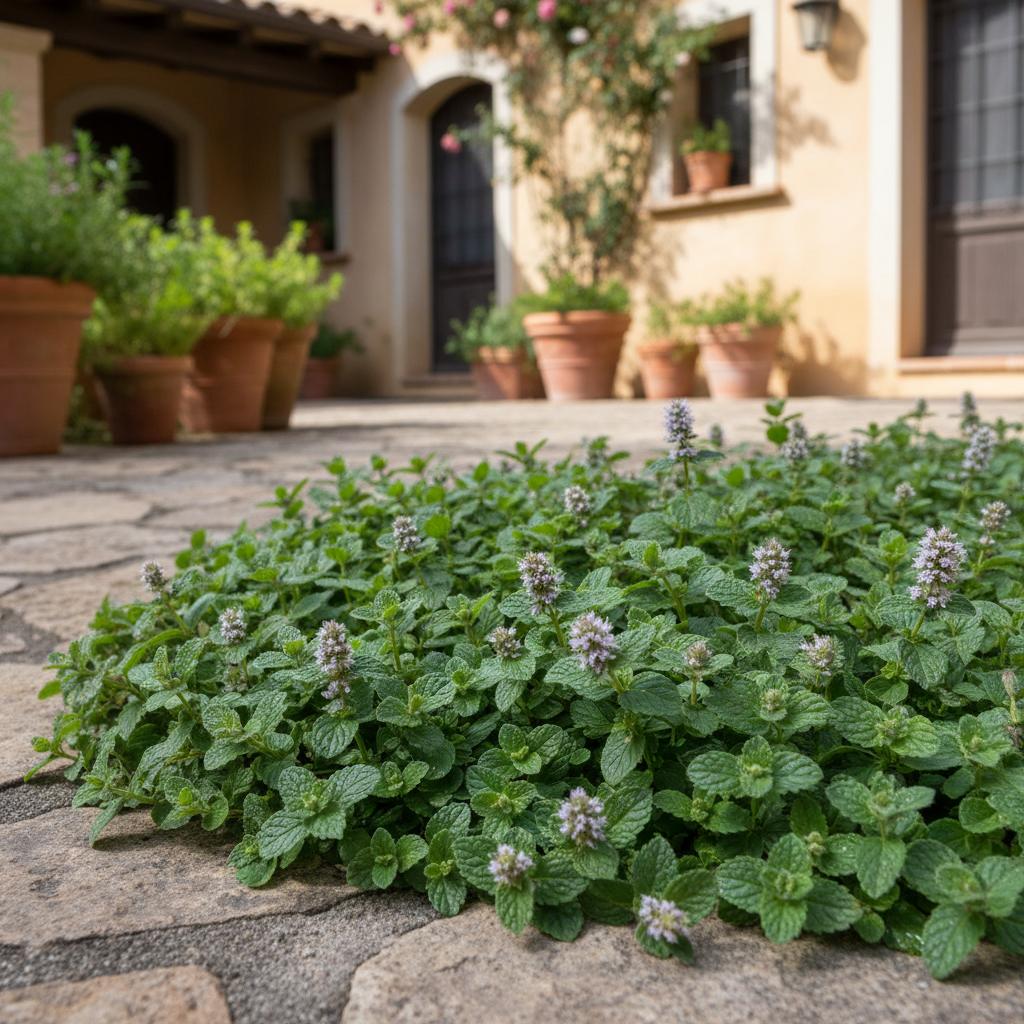
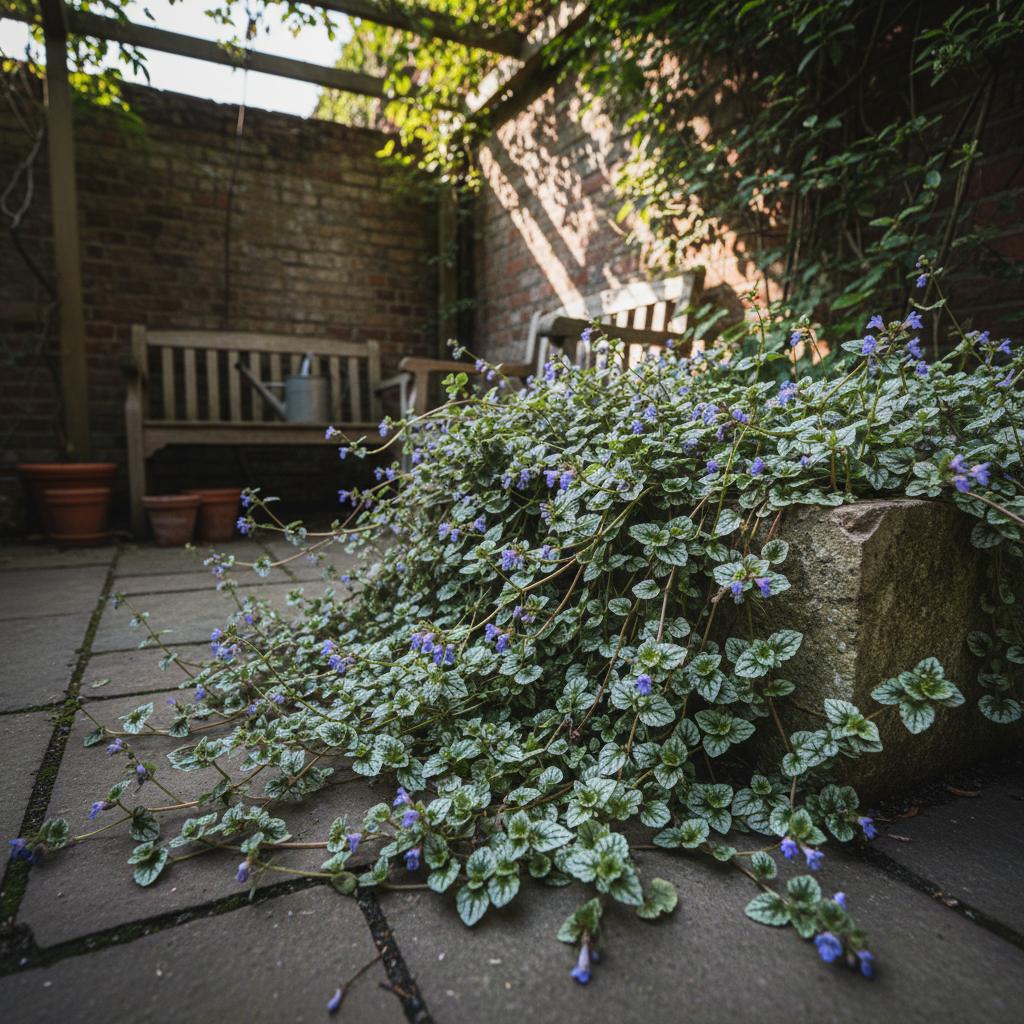
The following plants look similar and may be confused:
Related Toxic Plants

Download PlantFun App
Identify, grow and care for plants effectively!
Instant Plant ID
Take a photo to quickly identify plants.
Smart Care Reminders
Generate watering and care schedules.
Toxicity & Disease Diagnosis
Identify toxic plants and pests with treatment advice.

Data Sources
This information is for reference only and does not constitute medical advice. If ingestion or poisoning is suspected, seek medical or veterinary attention immediately.