 PlantFun
Ground ivy Toxic?
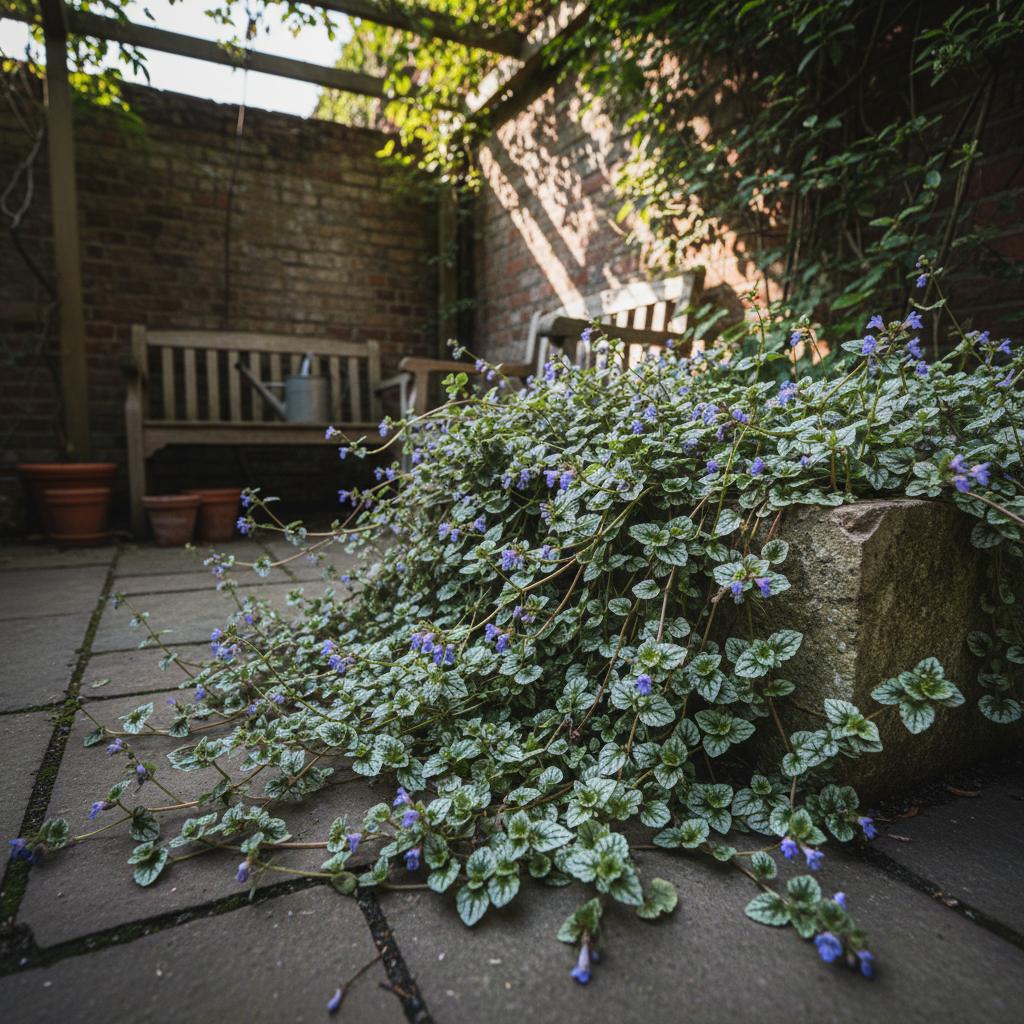
Ground ivy is highly toxic to horses, potentially causing fatal symptoms if ingested in large quantities
The toxic bitter compound in the plant loses its potency only after at least 3 months in dry feed
Cattle and sheep can tolerate large intake of the plant with no obvious symptoms
FAQ
Is Ground ivy toxic to Humans?
Not provided (Unknown)
Is Ground ivy toxic to Cats?
Not provided (Low)
Is Ground ivy toxic to Dogs?
Not provided (Low)
Is Ground ivy toxic to Horses?
Mydriasis, sweating, tremors, dyspnea, tachypnea, mucus discharge from mouth, reddish-yellow foam from nose, rattling breathing, cough, tachycardia with weak pulse, cyanotic mucous membranes, hyperthermia, anorexia, lymphocytosis, possible death after ingesting large amounts (High)
Toxicity Details
Not provided
Not provided
Not provided
Mydriasis, sweating, tremors, dyspnea, tachypnea, mucus discharge from mouth, reddish-yellow foam from nose, rattling breathing, cough, tachycardia with weak pulse, cyanotic mucous membranes, hyperthermia, anorexia, lymphocytosis, possible death after ingesting large amounts
Toxicity Snapshot
First Aid & Prevention
First 30 Minutes
- • Stop feeding feed that contains ground ivy immediately
- • Induce vomiting if ingestion occurred within 2 hours for non-equine animals
- • Move the affected animal to a quiet, well-ventilated area
Contact Vet Immediately
- • Any amount of ground ivy is ingested by a horse
- • Abnormal symptoms like breathing difficulty, tremors or abnormal discharge appear after ingestion
- • Large amount of the plant is ingested by any animal
Prevention
- • Avoid adding ground ivy to animal feed, especially feed for horses
- • Ensure dry feed is stored for at least 3 months before feeding to horses to reduce toxic potency
- • Regularly inspect grazing areas to remove ground ivy growth
Treatment & Prognosis
- • Carry out decontamination procedures
- • Provide symptomatic therapy following emergency treatment guidelines
- • Change to a completely new feed
- • Perform veterinary pathological monitoring as required
Professional Toxicology
• Not provided
Information from CliniTox veterinary text.
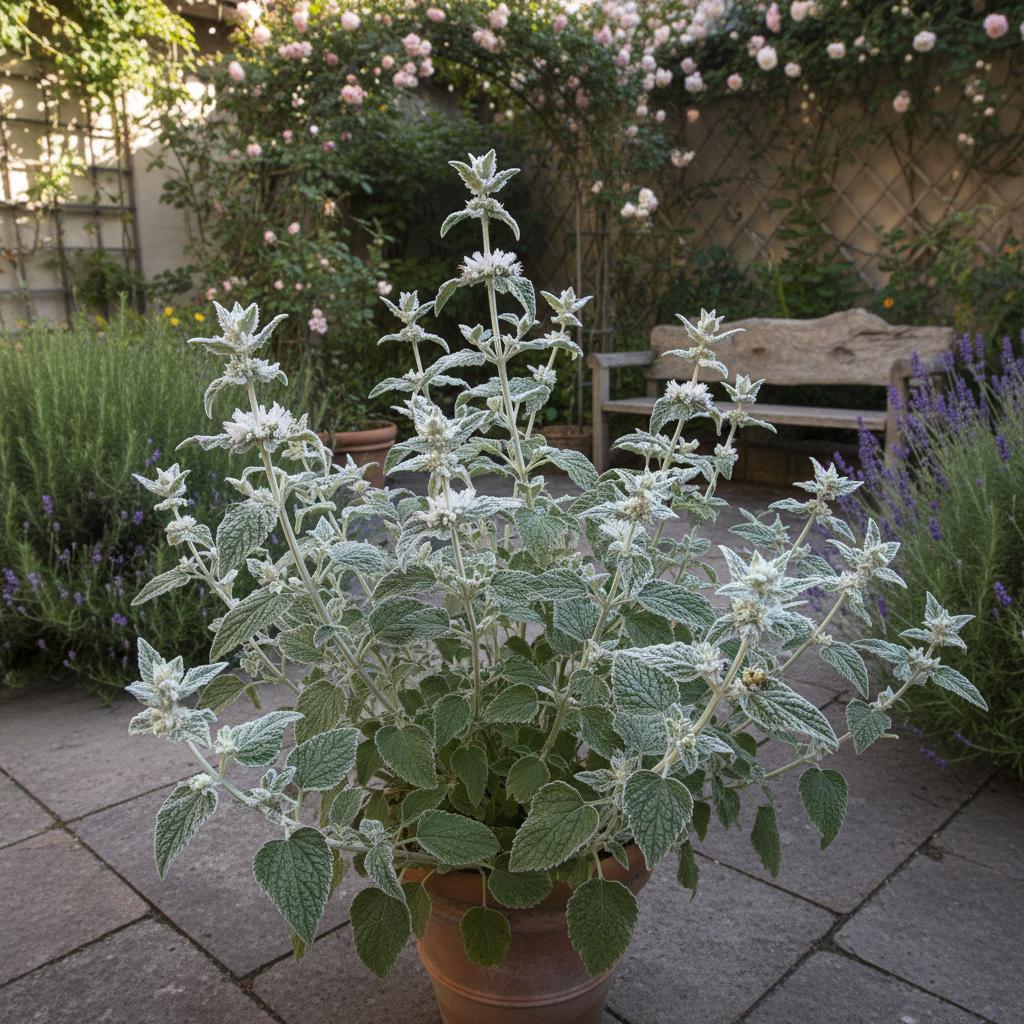
The following plants look similar and may be confused:
Related Toxic Plants
Download PlantFun App
Identify, grow and care for plants effectively!
Instant Plant ID
Take a photo to quickly identify plants.
Smart Care Reminders
Generate watering and care schedules.
Toxicity & Disease Diagnosis
Identify toxic plants and pests with treatment advice.

Data Sources
This information is for reference only and does not constitute medical advice. If ingestion or poisoning is suspected, seek medical or veterinary attention immediately.