 PlantFun
Pennyroyal Toxic?
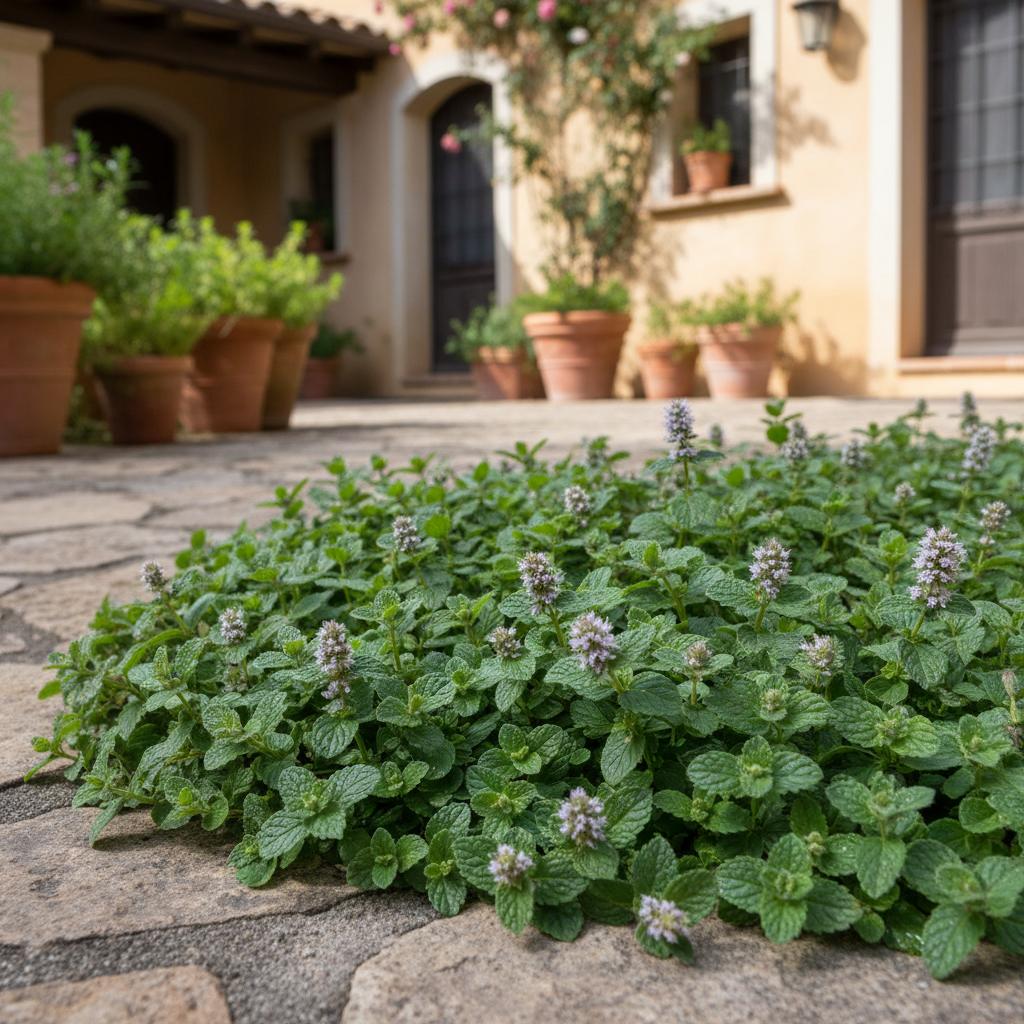
All parts of pennyroyal are toxic to humans and common domestic animals if ingested
Toxic components are pulegone and menthofuran, monoterpenes present in the plant's essential oil
Ingestion can lead to severe complications including liver necrosis, DIC, seizures, and fatal outcomes
FAQ
Is Pennyroyal toxic to Humans?
Nausea, vomiting, gastrointestinal bleeding, central nervous system seizures, coma, coagulation disorders, disseminated intravascular coagulation (DIC), liver necrosis, death (Moderate)
Is Pennyroyal toxic to Cats?
Expected to align with human symptoms, including gastrointestinal distress, neurological dysfunction, organ damage, and fatal outcomes if untreated (Moderate)
Is Pennyroyal toxic to Dogs?
Expected to align with human symptoms, including gastrointestinal distress, neurological dysfunction, organ damage, and fatal outcomes if untreated (Moderate)
Is Pennyroyal toxic to Horses?
Expected to align with human symptoms, including gastrointestinal distress, neurological dysfunction, organ damage, and fatal outcomes if untreated (Moderate)
Toxicity Details
Nausea, vomiting, gastrointestinal bleeding, central nervous system seizures, coma, coagulation disorders, disseminated intravascular coagulation (DIC), liver necrosis, death
Expected to align with human symptoms, including gastrointestinal distress, neurological dysfunction, organ damage, and fatal outcomes if untreated
Expected to align with human symptoms, including gastrointestinal distress, neurological dysfunction, organ damage, and fatal outcomes if untreated
Expected to align with human symptoms, including gastrointestinal distress, neurological dysfunction, organ damage, and fatal outcomes if untreated
Toxicity Snapshot
First Aid & Prevention
First 30 Minutes
- • Immediately remove any remaining pennyroyal plant or product from the reach of the exposed person/animal
- • Contact a medical professional or veterinarian immediately for guidance on decontamination steps
- • Do not induce vomiting, give food/drinks, or administer home remedies unless explicitly instructed by a healthcare provider
Contact Vet Immediately
- • If your pet has ingested any quantity of pennyroyal plant or its essential oil
- • If your pet exhibits symptoms including vomiting, seizures, lethargy, unusual bleeding, or jaundice after suspected exposure
- • If your pet has had dermal exposure to concentrated pennyroyal essential oil
Prevention
- • Avoid planting pennyroyal in yards or gardens accessible to children and domestic animals
- • Clearly label any pennyroyal-containing herbal or essential oil products to prevent accidental ingestion or misuse
- • Never apply pennyroyal essential oil to the skin or fur of pets, as it is highly toxic even in small doses
Treatment & Prognosis
- • Decontamination via induced vomiting or activated charcoal administration as directed by a medical professional or veterinarian
- • Supportive care including IV fluid therapy, anti-seizure medication, and coagulation support as clinically indicated
- • Long-term monitoring of liver function and coagulation parameters for 24 to 72 hours post-exposure to identify delayed toxic effects
Professional Toxicology
• Toxic monoterpenes in pennyroyal's essential oil are rapidly absorbed after ingestion, causing direct cytotoxic damage to body tissues
• Metabolites of pulegone and menthofuran induce hepatocellular damage leading to liver necrosis, and disrupt normal blood coagulation pathways
• Neurotoxic effects of the compounds trigger central nervous system seizures and coma in severe exposure cases
Information from CliniTox veterinary text.
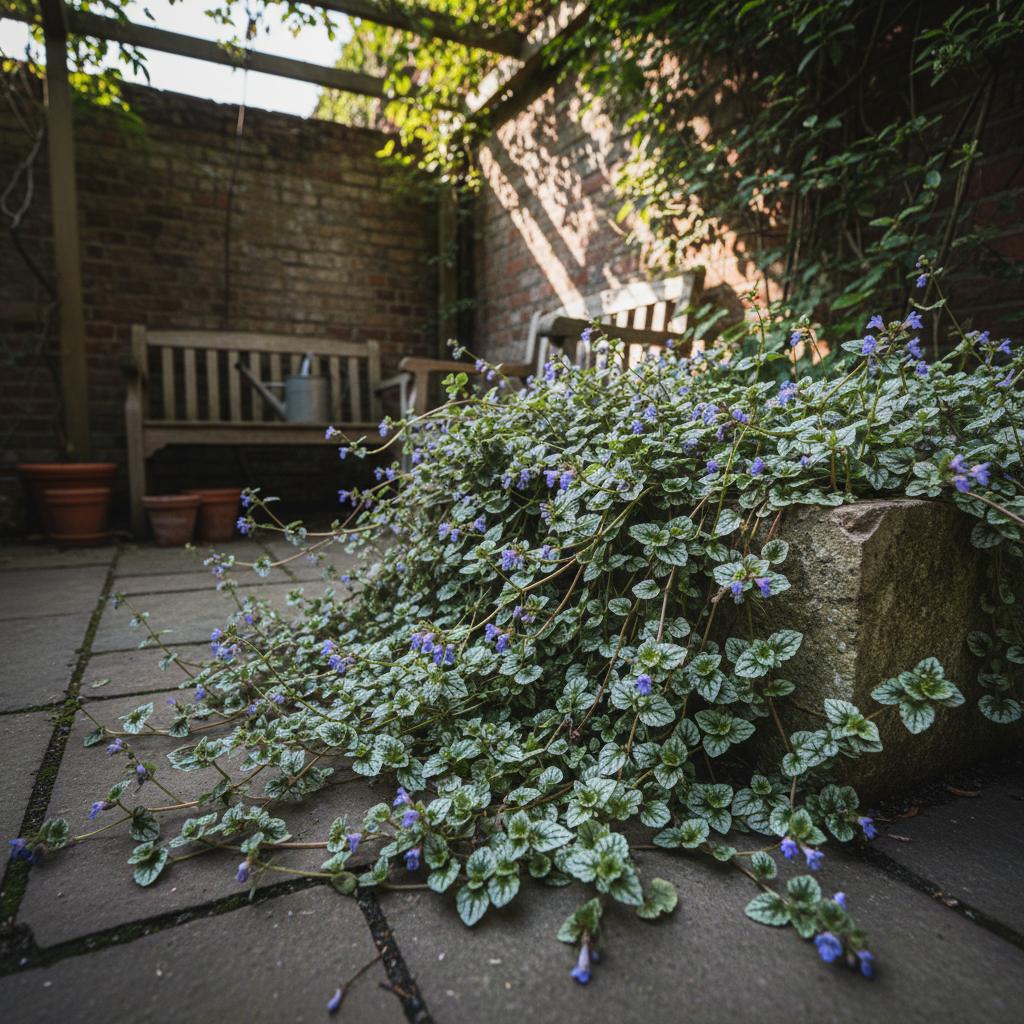
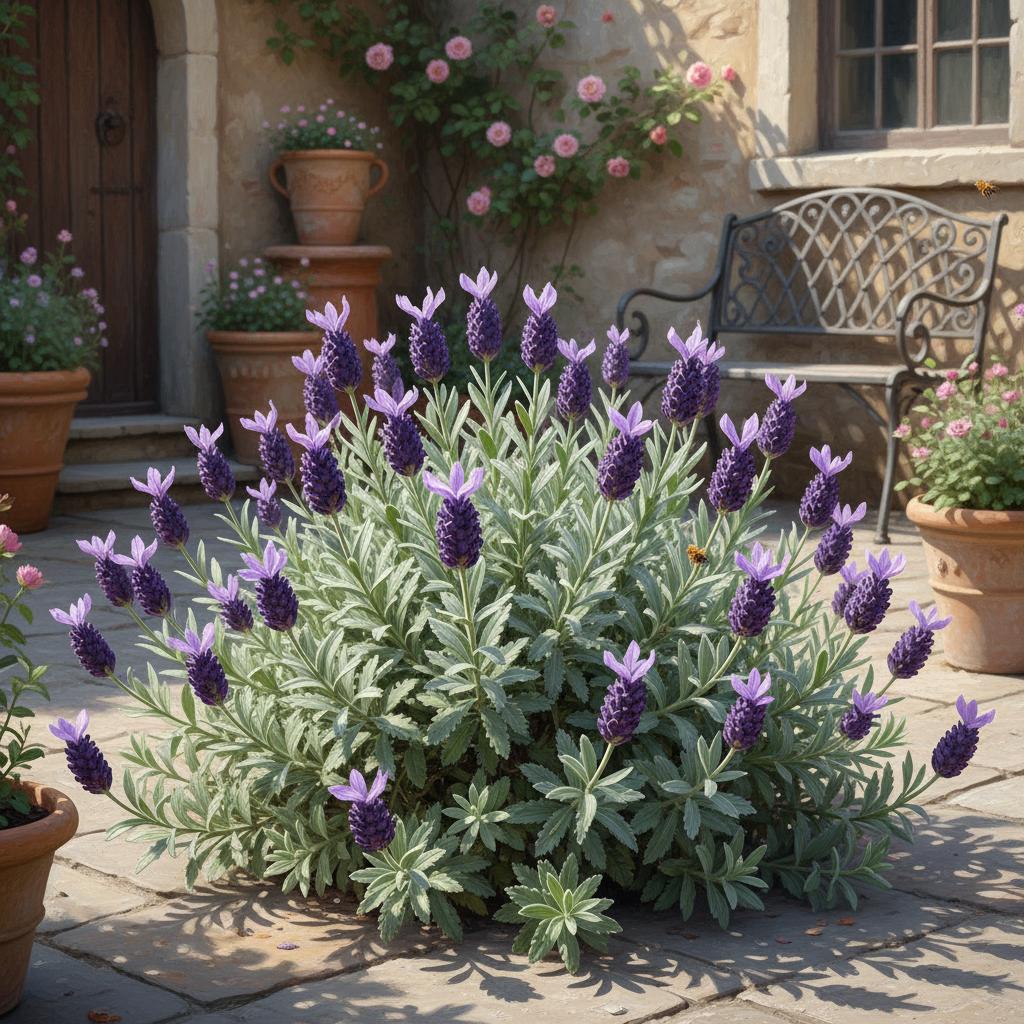
The following plants look similar and may be confused:
Related Toxic Plants

Download PlantFun App
Identify, grow and care for plants effectively!
Instant Plant ID
Take a photo to quickly identify plants.
Smart Care Reminders
Generate watering and care schedules.
Toxicity & Disease Diagnosis
Identify toxic plants and pests with treatment advice.

Data Sources
This information is for reference only and does not constitute medical advice. If ingestion or poisoning is suspected, seek medical or veterinary attention immediately.