 PlantFun
Sorrel Toxic?
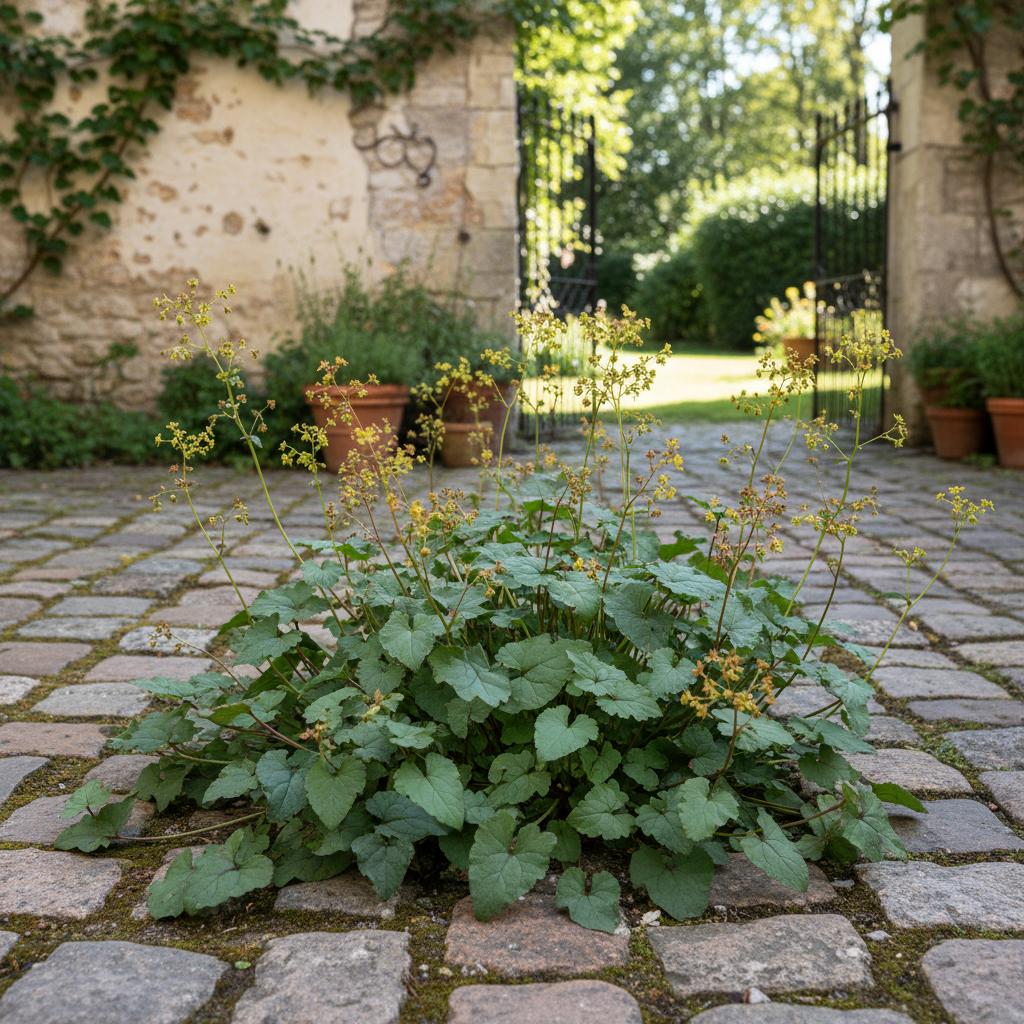
Sorrel is confirmed toxic to cats, dogs, and horses, with soluble oxalates as its core toxic compound
Small one-time exposures typically only cause mild gastrointestinal upset with no long-term harm
Severe effects including hypocalcemia, seizures, and kidney damage only occur with massive or chronic ingestion
FAQ
Is Sorrel toxic to Humans?
No official human toxicity data provided; small accidental ingestion is low-risk, while large/repeated intake may cause GI upset or kidney irritation (Low)
Is Sorrel toxic to Cats?
Small exposures cause mild GI upset; massive/chronic ingestion leads to weakness, muscle fasciculations, seizures, arrhythmias, and secondary renal injury (Low)
Is Sorrel toxic to Dogs?
Small exposures cause mild GI upset; massive/chronic ingestion leads to weakness, muscle fasciculations, seizures, arrhythmias, and secondary renal injury (Low)
Is Sorrel toxic to Horses?
Small exposures cause mild GI upset; massive/chronic ingestion leads to weakness, muscle fasciculations, seizures, arrhythmias, and secondary renal injury (Low)
Toxicity Details
No official human toxicity data provided; small accidental ingestion is low-risk, while large/repeated intake may cause GI upset or kidney irritation
Small exposures cause mild GI upset; massive/chronic ingestion leads to weakness, muscle fasciculations, seizures, arrhythmias, and secondary renal injury
Small exposures cause mild GI upset; massive/chronic ingestion leads to weakness, muscle fasciculations, seizures, arrhythmias, and secondary renal injury
Small exposures cause mild GI upset; massive/chronic ingestion leads to weakness, muscle fasciculations, seizures, arrhythmias, and secondary renal injury
Toxicity Snapshot
First Aid & Prevention
First 30 Minutes
- • Rinse the mouth of the exposed person/animal with clean water immediately after ingestion
- • Remove remaining sorrel plant material from the area to prevent further intake
- • Monitor for early signs of GI upset (vomiting, diarrhea, drooling) in the first 30 minutes post-exposure
Contact Vet Immediately
- • Your pet or horse has ingested a large volume of sorrel
- • Clinical signs like weakness, muscle twitching, seizures, or abnormal heart rate develop
- • The animal has a history of regular, chronic access to sorrel plants
Prevention
- • Keep potted or garden sorrel out of reach of household cats and dogs
- • Clear wild sorrel growth from horse pastures to avoid chronic grazing exposure
- • Avoid feeding unprocessed sorrel to any companion or livestock animals
Treatment & Prognosis
- • Veterinarians may administer calcium supplements to reverse acute hypocalcemia
- • IV fluid therapy is provided to flush oxalate crystals and protect renal function
- • Symptomatic care is given to manage seizures, arrhythmias, and gastrointestinal upset as needed
Professional Toxicology
• Soluble oxalates bind to circulating calcium in the bloodstream, leading to acute hypocalcemia
• Insoluble calcium oxalate crystals form in renal tissue, causing secondary kidney injury and dysfunction
Information from CliniTox veterinary text.
The following plants look similar and may be confused:
Related Toxic Plants


Download PlantFun App
Identify, grow and care for plants effectively!
Instant Plant ID
Take a photo to quickly identify plants.
Smart Care Reminders
Generate watering and care schedules.
Toxicity & Disease Diagnosis
Identify toxic plants and pests with treatment advice.

Data Sources
This information is for reference only and does not constitute medical advice. If ingestion or poisoning is suspected, seek medical or veterinary attention immediately.