 PlantFun
Common sorrel Toxic?
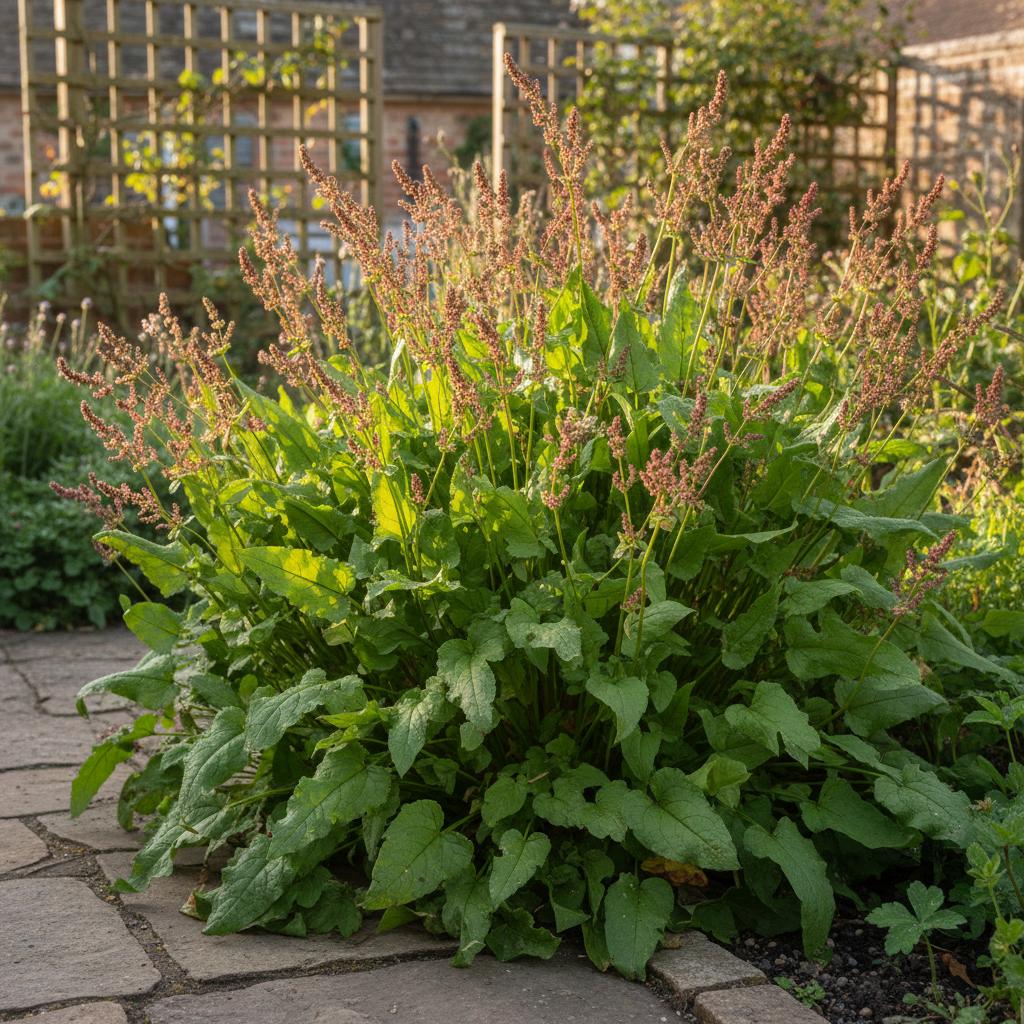
All parts of common sorrel are toxic, especially the roots, and it remains toxic even when dried for use as fodder
Sheep and horses are the most sensitive to its toxicity, while cattle can develop partial tolerance with gradual low-level exposure
Severe ingestion can cause cardiac arrhythmia, kidney failure, and potentially fatal outcomes in sensitive species
FAQ
Is Common sorrel toxic to Humans?
Vomiting, potentially bloody diarrhea, colic, cardiac arrhythmia, low blood pressure, tremors, paralysis, hematuria or anuria, anemia and wasting in prolonged cases, with possible fatal outcomes (Low)
Is Common sorrel toxic to Cats?
No species-specific toxicity data available; large ingestion is expected to cause gastrointestinal distress, kidney irritation, and neurological symptoms like tremors (Low)
Is Common sorrel toxic to Dogs?
No species-specific toxicity data available; high doses may trigger vomiting, diarrhea, kidney damage, and neurological signs including seizures (Low)
Is Common sorrel toxic to Horses?
Highly sensitive; may present with depression, salivation, tremor, ataxia, dyspnea, recumbency, and risk of fatal complications including aspiration pneumonia (Moderate)
Toxicity Details
Vomiting, potentially bloody diarrhea, colic, cardiac arrhythmia, low blood pressure, tremors, paralysis, hematuria or anuria, anemia and wasting in prolonged cases, with possible fatal outcomes
No species-specific toxicity data available; large ingestion is expected to cause gastrointestinal distress, kidney irritation, and neurological symptoms like tremors
No species-specific toxicity data available; high doses may trigger vomiting, diarrhea, kidney damage, and neurological signs including seizures
Highly sensitive; may present with depression, salivation, tremor, ataxia, dyspnea, recumbency, and risk of fatal complications including aspiration pneumonia
Toxicity Snapshot
First Aid & Prevention
First 30 Minutes
- • Stop further ingestion of the plant immediately
- • If available, administer oral calcium (e.g., calcium carbonate, calcium gluconate) to bind excess oxalates
- • Do not induce vomiting if the affected individual is drowsy, seizing, or unable to swallow
- • Contact a medical professional or veterinarian right away for further guidance
Contact Vet Immediately
- • Any ingestion of more than a small mouthful by horses, sheep, or small companion animals
- • Presence of symptoms including bloody diarrhea, tremors, difficulty breathing, or reduced urine output
- • Ingestion by young, pregnant, or immunocompromised animals, or animals with pre-existing kidney disease
Prevention
- • Limit common sorrel content in livestock feed to a maximum of 3% to avoid toxic exposure
- • Restrict livestock grazing in pastures with dense common sorrel growth, especially for horses and sheep
- • Keep potted common sorrel plants out of reach of indoor cats and dogs
Treatment & Prognosis
- • Administer calcium via gastric tube to precipitate unabsorbed oxalates in the gut
- • Perform gastrointestinal decontamination (e.g., activated charcoal) as appropriate for the exposure timeline
- • Provide supportive care including pain management, fluid therapy to protect kidney function, and antihistamines if indicated
- • Monitor cardiac rhythm and renal function for 24 to 48 hours post-exposure to catch delayed complications
Professional Toxicology
• Oxalates in the plant bind to systemic calcium, causing hypocalcemia and formation of calcium oxalate crystals that damage renal tubules
• Anthracene and naphthalene derivatives irritate the gastrointestinal mucosa and contribute to systemic organ damage
• Accumulated nitrates may cause oxygen transport impairment in cases of very high ingestion
Information from CliniTox veterinary text.
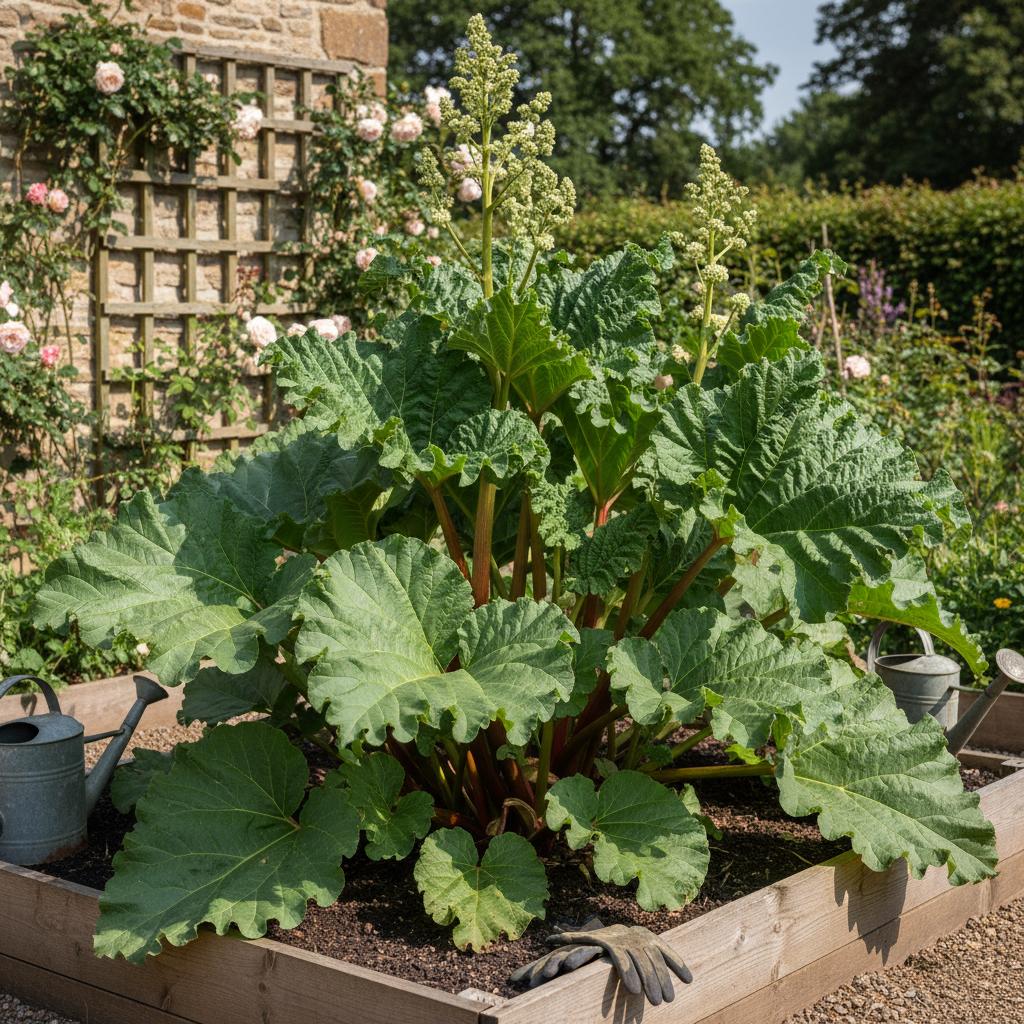
The following plants look similar and may be confused:
Related Toxic Plants


Download PlantFun App
Identify, grow and care for plants effectively!
Instant Plant ID
Take a photo to quickly identify plants.
Smart Care Reminders
Generate watering and care schedules.
Toxicity & Disease Diagnosis
Identify toxic plants and pests with treatment advice.

Data Sources
This information is for reference only and does not constitute medical advice. If ingestion or poisoning is suspected, seek medical or veterinary attention immediately.