 PlantFun
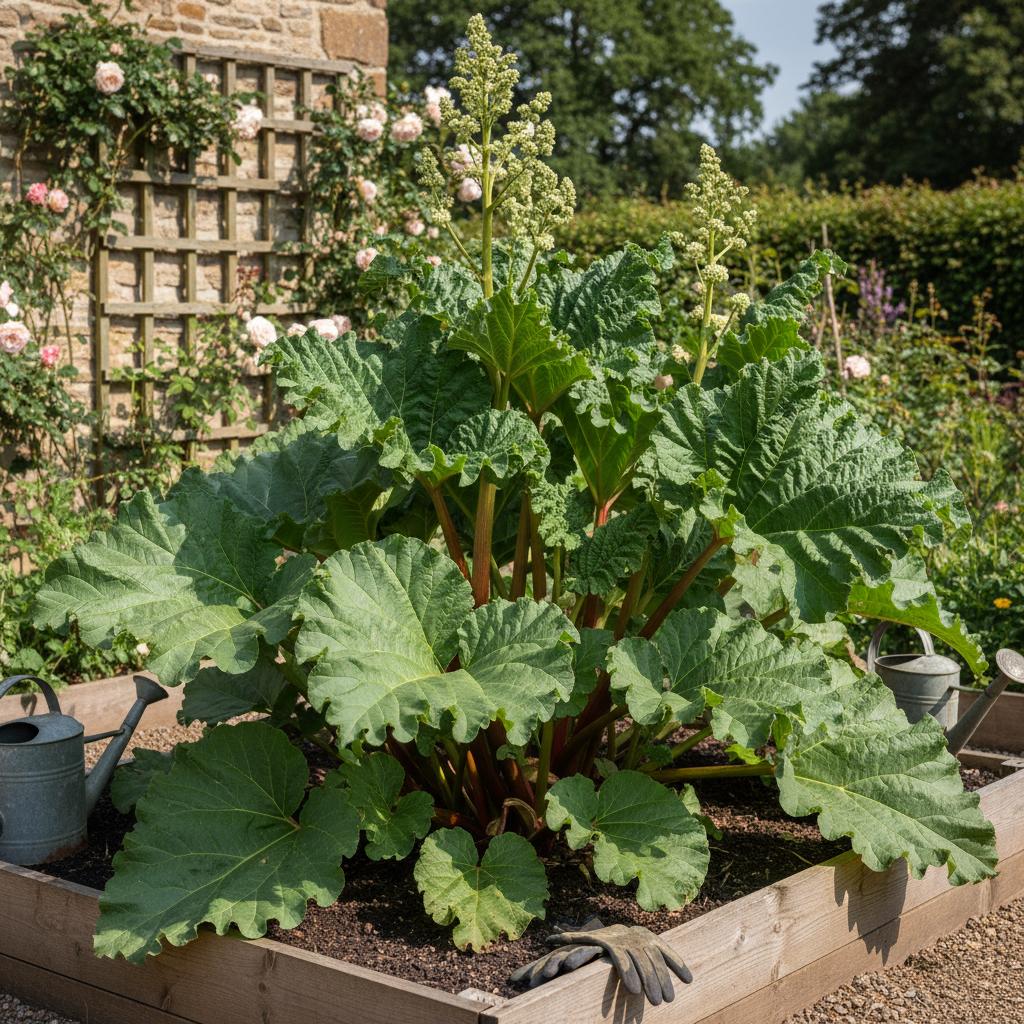
Chinese rhubarb Toxic?
All parts of the plant are toxic, with the highest concentration of anthracene derivatives found in the roots
Ingestion of large amounts leads to hypocalcemia, kidney damage, heart arrhythmia and other severe symptoms
Fatal poisoning cases have been documented in livestock including pigs and goats
FAQ
Is Chinese rhubarb toxic to Humans?
Gastroenteritis, vomiting, diarrhea, muscle cramps, heart arrhythmia, polyuria followed by anuria (kidney damage), incoordination, dyspnea, weakness, liver damage (Low)
Is Chinese rhubarb toxic to Cats?
No species-specific toxicity data recorded; monitor for gastrointestinal distress, electrolyte imbalance and kidney injury if ingested (Unknown)
Is Chinese rhubarb toxic to Dogs?
No species-specific toxicity data recorded; monitor for gastrointestinal distress, electrolyte imbalance and kidney injury if ingested (Unknown)
Is Chinese rhubarb toxic to Horses?
No species-specific toxicity data recorded; monitor for gastrointestinal distress, electrolyte imbalance and kidney injury if ingested (Unknown)
Toxicity Details
Gastroenteritis, vomiting, diarrhea, muscle cramps, heart arrhythmia, polyuria followed by anuria (kidney damage), incoordination, dyspnea, weakness, liver damage
No species-specific toxicity data recorded; monitor for gastrointestinal distress, electrolyte imbalance and kidney injury if ingested
No species-specific toxicity data recorded; monitor for gastrointestinal distress, electrolyte imbalance and kidney injury if ingested
No species-specific toxicity data recorded; monitor for gastrointestinal distress, electrolyte imbalance and kidney injury if ingested
Toxicity Snapshot
First Aid & Prevention
First 30 Minutes
- • Rinse mouth thoroughly with clean water to remove remaining plant material
- • Induce vomiting only if ingestion occurred within 10 minutes and the affected individual is fully conscious
- • Collect leftover plant material for identification to support medical/vet care
Contact Vet Immediately
- • If any poisoning symptoms (vomiting, diarrhea, muscle cramps, breathing difficulty) appear after ingestion
- • If a large quantity of the plant was consumed, even if no symptoms are present
- • If the exposed individual is a child, pet, or grazing livestock
Prevention
- • Keep plants out of reach of children, pets, and grazing livestock
- • Do not consume unprocessed plant parts (especially roots and leaves) without professional guidance
- • Label cultivated Chinese rhubarb clearly to avoid confusion with edible rhubarb varieties
Treatment & Prognosis
- • Perform decontamination (activated charcoal, gastric lavage where appropriate) for recent ingestion
- • Provide symptomatic care including analgesics, antihistamines if needed, and fluid therapy to support kidney function
- • Administer calcium supplementation for cases of large ingestion to correct hypocalcemia
- • Monitor electrolyte levels, kidney and liver function closely after exposure
Professional Toxicology
• Soluble oxalates bind to bodily calcium, causing hypocalcemia and formation of calcium oxalate crystals that damage kidney tissue
• Anthracene derivatives irritate the gastrointestinal tract, and cause liver and kidney damage at high doses
Information from CliniTox veterinary text.
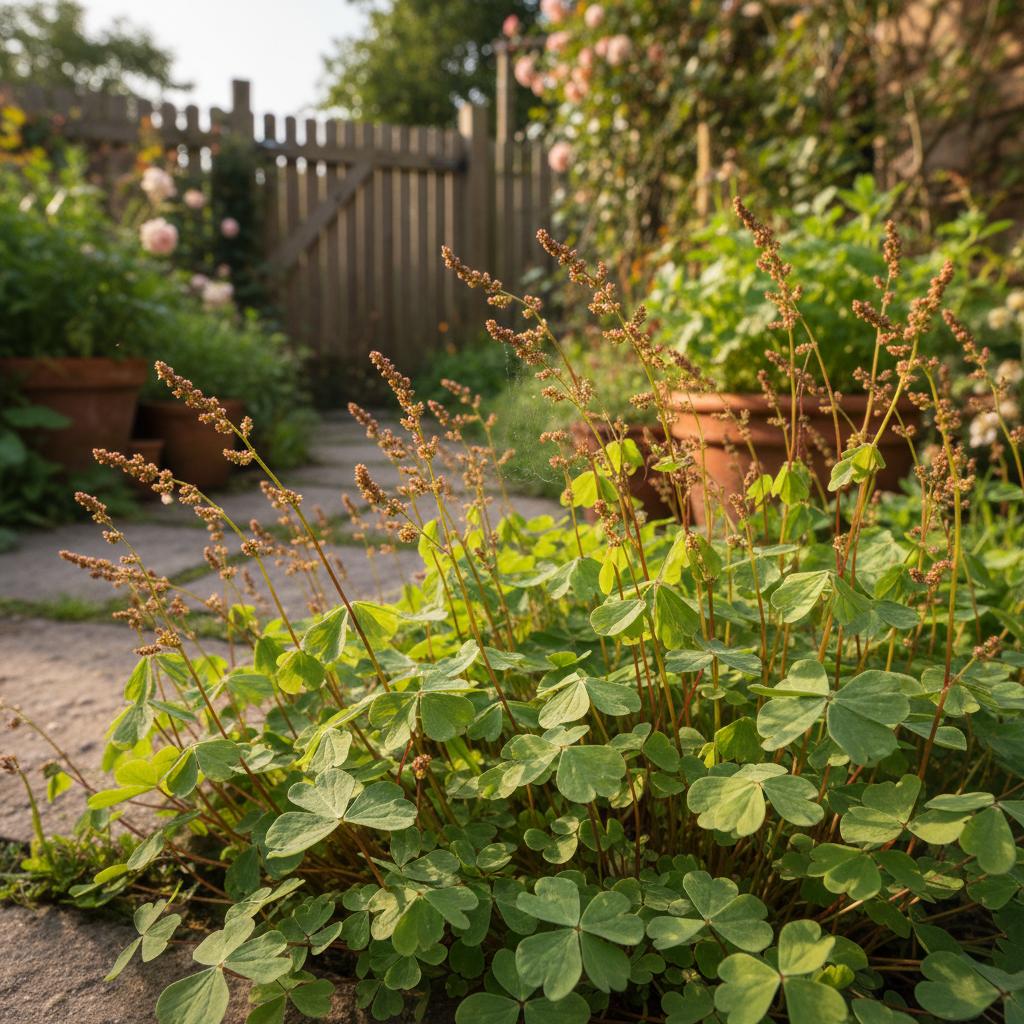
The following plants look similar and may be confused:
Related Toxic Plants

Download PlantFun App
Identify, grow and care for plants effectively!
Instant Plant ID
Take a photo to quickly identify plants.
Smart Care Reminders
Generate watering and care schedules.
Toxicity & Disease Diagnosis
Identify toxic plants and pests with treatment advice.

Data Sources
This information is for reference only and does not constitute medical advice. If ingestion or poisoning is suspected, seek medical or veterinary attention immediately.