 PlantFun
Great spearwort Toxic?
Toxicity arises when the plant is wilted or damaged, as inactive ranunculin converts to the irritant compound protoanemonin.
Dried hay containing the plant is non-toxic, as protoanemonin breaks down to harmless anemonin; silage becomes safe after 2 months of storage.
Ingestion of large quantities (e.g. 2kg for horses) can cause severe symptoms including seizures, paralysis, and rare death from respiratory failure.
FAQ
Is Great spearwort toxic to Humans?
Not explicitly documented, but expected to cause oral irritation, blistering, gastrointestinal upset, and more severe effects if large amounts are ingested. (Low)
Is Great spearwort toxic to Cats?
No species-specific data available; likely causes oral irritation, excessive salivation, vomiting, and diarrhea if ingested. (Low)
Is Great spearwort toxic to Dogs?
No species-specific data available; likely causes oral irritation, excessive salivation, vomiting, and diarrhea if ingested. (Low)
Is Great spearwort toxic to Horses?
Mouth/lip blistering, redness and swelling with salivation; gastrointestinal irritation leading to vomiting, diarrhea and colic; weakness, blood in urine, tremors, seizures, paralysis; rare death from respiratory paralysis; udder inflammation with reddish, bitter milk in lactating mares. (High)
Toxicity Details
Not explicitly documented, but expected to cause oral irritation, blistering, gastrointestinal upset, and more severe effects if large amounts are ingested.
No species-specific data available; likely causes oral irritation, excessive salivation, vomiting, and diarrhea if ingested.
No species-specific data available; likely causes oral irritation, excessive salivation, vomiting, and diarrhea if ingested.
Mouth/lip blistering, redness and swelling with salivation; gastrointestinal irritation leading to vomiting, diarrhea and colic; weakness, blood in urine, tremors, seizures, paralysis; rare death from respiratory paralysis; udder inflammation with reddish, bitter milk in lactating mares.
Toxicity Snapshot
First Aid & Prevention
First 30 Minutes
- • Remove any remaining plant material from the affected person/animal's mouth immediately.
- • Rinse the oral cavity thoroughly with clean water or milk to reduce mucous membrane irritation.
- • Do not induce vomiting unless explicitly instructed to do so by a medical or veterinary professional.
Contact Vet Immediately
- • If ingestion of more than a small amount of the plant is confirmed.
- • If severe symptoms including blistering, persistent vomiting/diarrhea, tremors or seizures appear.
- • If the affected animal is a horse that may have eaten 1kg or more of the plant.
Prevention
- • Avoid grazing horses or livestock in areas where Great spearwort grows in high density.
- • Ensure silage is stored for a minimum of 2 months before use to eliminate toxicity risk.
- • Keep the plant out of reach of domestic pets and small children to avoid accidental ingestion.
Treatment & Prognosis
- • Decontamination procedures appropriate for the ingested quantity.
- • Symptomatic therapy including mucosal protectants to reduce gastrointestinal irritation.
- • Antihistamines may be administered if clinically indicated.
- • Supportive care for severe symptoms including seizures or respiratory distress.
Professional Toxicology
• Inactive ranunculin is converted to toxic protoanemonin via enzymatic cleavage when the plant is wilted, crushed or damaged.
• Protoanemonin is a strong irritant that damages mucous membranes of the digestive tract and other organ systems.
• Protoanemonin naturally dimerizes over time to non-toxic anemonin, eliminating toxicity in dried or properly stored forage.
Information from CliniTox veterinary text.
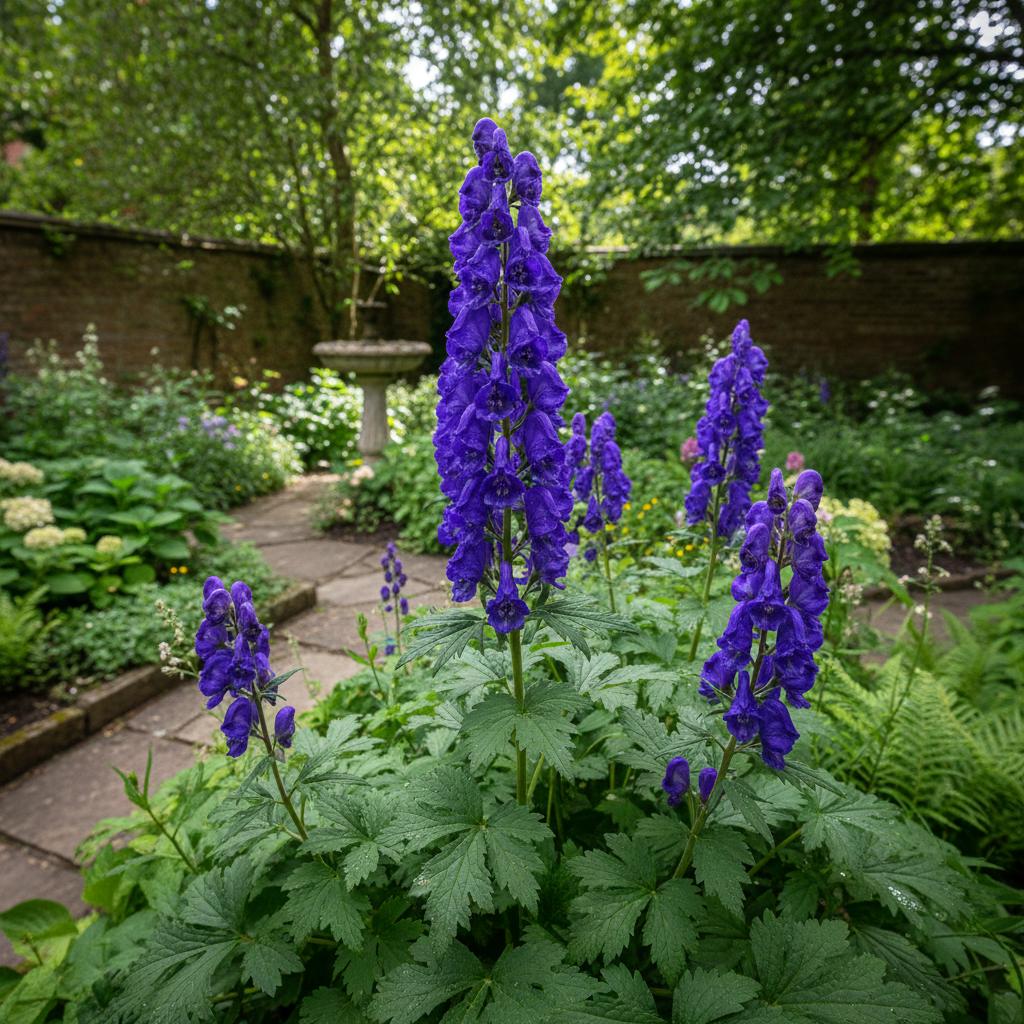
The following plants look similar and may be confused:
Related Toxic Plants


Download PlantFun App
Identify, grow and care for plants effectively!
Instant Plant ID
Take a photo to quickly identify plants.
Smart Care Reminders
Generate watering and care schedules.
Toxicity & Disease Diagnosis
Identify toxic plants and pests with treatment advice.

Data Sources
This information is for reference only and does not constitute medical advice. If ingestion or poisoning is suspected, seek medical or veterinary attention immediately.