 PlantFun
Monkshood Toxic?
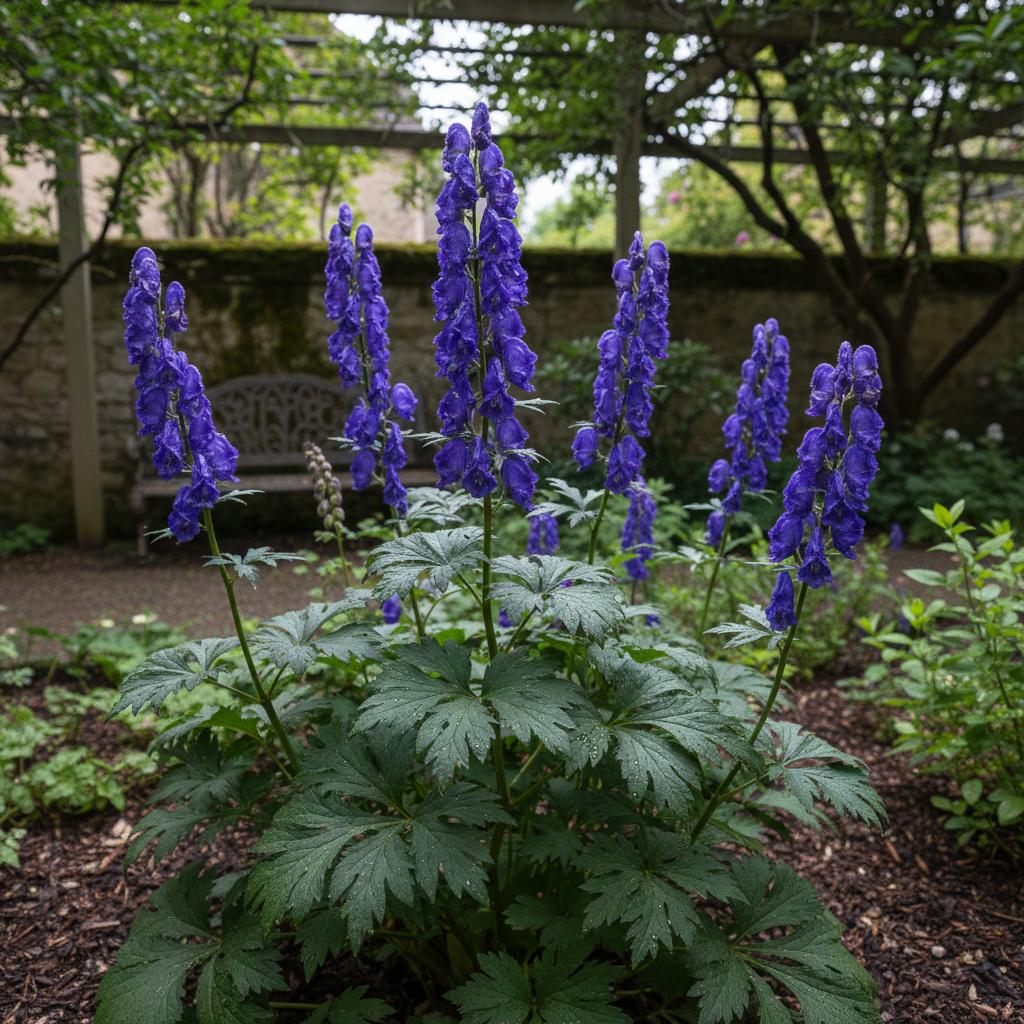
All parts of the plant are toxic, especially roots and seeds, with pre-flowering above-ground parts having the highest toxin concentration.
Aconitine, the primary toxic compound, is one of the most potent known plant toxins, with content ranging 0.2-3% by weight in fresh plant material.
Ingestion leads to rapid symptom onset, with death typically occurring from respiratory paralysis or cardiac arrest if untreated.
FAQ
Is Monkshood toxic to Humans?
Oral ingestion causes immediate mouth burning, numbness, salivation, nausea, vomiting, diarrhea, colic, anxiety, ataxia, convulsions, low blood pressure, irregular heart rhythm, vision loss, hypothermia, breathing difficulty, and potentially fatal respiratory or cardiac failure. (Severe)
Is Monkshood toxic to Cats?
No species-specific data available; expected signs include gastrointestinal distress, neurological impairment, cardiac arrhythmia, and potentially fatal respiratory or cardiac failure consistent with general aconitine poisoning. (Severe)
Is Monkshood toxic to Dogs?
No species-specific data available; expected signs include gastrointestinal distress, neurological impairment, cardiac arrhythmia, and potentially fatal respiratory or cardiac failure consistent with general aconitine poisoning. (Severe)
Is Monkshood toxic to Horses?
No species-specific data available; horses are highly sensitive to aconitine, with expected signs including colic, ataxia, arrhythmia, seizures, and rapid fatal respiratory or cardiac failure. (Severe)
Toxicity Details
Oral ingestion causes immediate mouth burning, numbness, salivation, nausea, vomiting, diarrhea, colic, anxiety, ataxia, convulsions, low blood pressure, irregular heart rhythm, vision loss, hypothermia, breathing difficulty, and potentially fatal respiratory or cardiac failure.
No species-specific data available; expected signs include gastrointestinal distress, neurological impairment, cardiac arrhythmia, and potentially fatal respiratory or cardiac failure consistent with general aconitine poisoning.
No species-specific data available; expected signs include gastrointestinal distress, neurological impairment, cardiac arrhythmia, and potentially fatal respiratory or cardiac failure consistent with general aconitine poisoning.
No species-specific data available; horses are highly sensitive to aconitine, with expected signs including colic, ataxia, arrhythmia, seizures, and rapid fatal respiratory or cardiac failure.
Toxicity Snapshot
First Aid & Prevention
First 30 Minutes
- • If ingested and the patient is fully conscious, induce vomiting immediately
- • Administer activated charcoal to bind unabsorbed gastrointestinal toxins
- • Keep the patient calm and immobile to slow toxin circulation
- • Seek emergency medical or veterinary care without delay
Contact Vet Immediately
- • Confirmed or suspected ingestion of any part of the plant
- • Onset of symptoms after exposure including salivation, unsteady gait, or abnormal heart rate
- • Skin exposure to plant sap followed by numbness, tingling, or breathing difficulty
Prevention
- • Avoid planting monkshood in areas accessible to children, pets, or grazing livestock
- • Never forage for wild edible roots or greens in habitats where monkshood is known to grow
- • Wear impermeable gloves when handling monkshood plants to prevent skin absorption of toxins
Treatment & Prognosis
- • Perform gastrointestinal decontamination including emesis, activated charcoal administration, or gastric lavage for recent large ingestions
- • Provide supportive care to manage heart arrhythmias, control seizures, and support respiratory function
- • Avoid use of Digitalis and Strophanthin, which are contraindicated for aconitine poisoning
Professional Toxicology
• Toxic diterpene alkaloids (primarily aconitine) disrupt sodium channel function in nerve and muscle cells
• Impaired electrical signaling leads to abnormal heart rhythm, neurological dysfunction, and respiratory muscle paralysis
• Toxin efficacy reduces slowly during long-term storage of dried plant material
Information from CliniTox veterinary text.
The following plants look similar and may be confused:
Related Toxic Plants


Download PlantFun App
Identify, grow and care for plants effectively!
Instant Plant ID
Take a photo to quickly identify plants.
Smart Care Reminders
Generate watering and care schedules.
Toxicity & Disease Diagnosis
Identify toxic plants and pests with treatment advice.

Data Sources
This information is for reference only and does not constitute medical advice. If ingestion or poisoning is suspected, seek medical or veterinary attention immediately.