 PlantFun
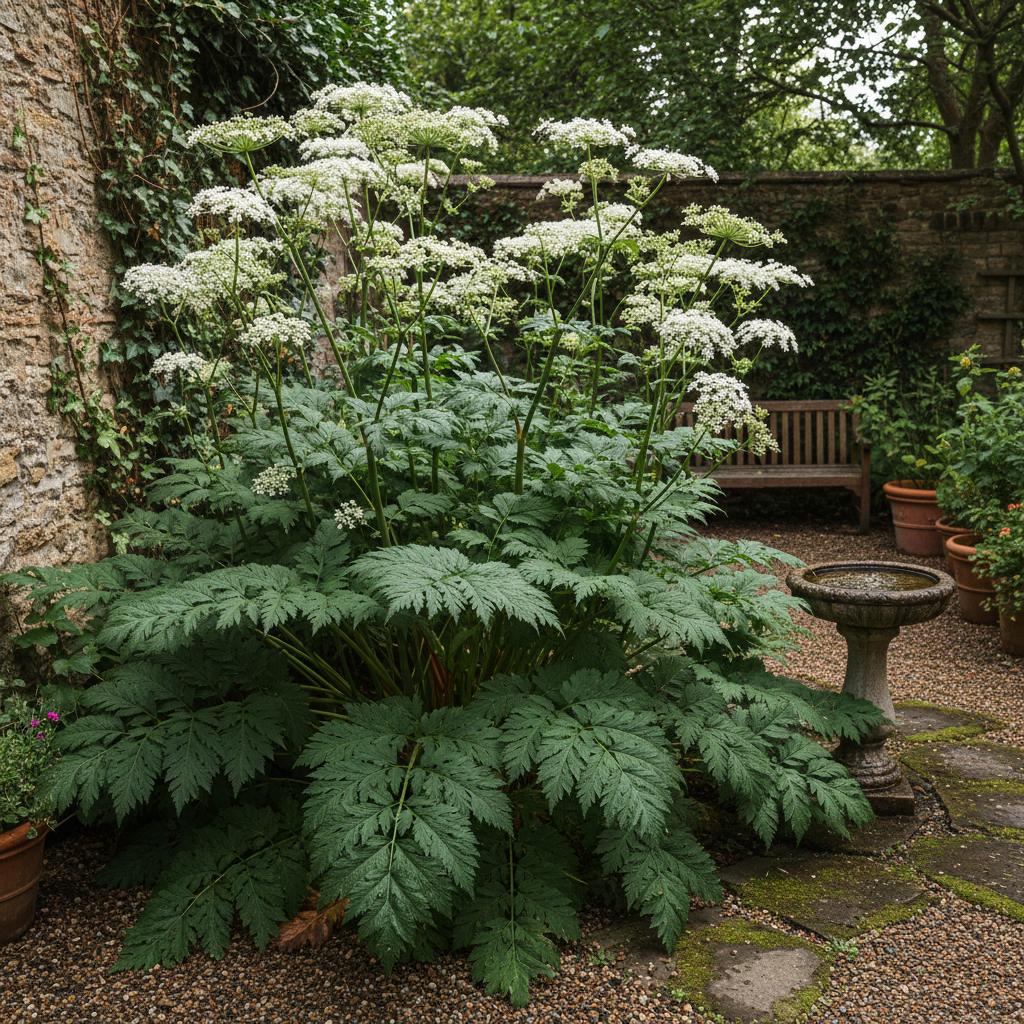
Water fennel Toxic?

All parts of the plant, including dried specimens, are toxic, and oenanthotoxin activity is not eliminated by cooking or drying.
The plant has a high toxicity grade, and ingestion can cause severe neurological, gastrointestinal and cardiac symptoms, including death in multiple livestock species.
It is easily confused with both non-toxic edible Apiaceae species and other highly toxic related plants, raising accidental ingestion risk.
FAQ
Is Water fennel toxic to Humans?
No confirmed human exposure data is available, but severe convulsions, gastrointestinal distress, respiratory failure and potentially fatal outcomes are expected if ingested. (High)
Is Water fennel toxic to Cats?
No confirmed feline toxicity data is available, but ingestion is considered high risk due to proven toxicity to other mammal species. (High)
Is Water fennel toxic to Dogs?
No confirmed canine toxicity data is available, but ingestion is considered high risk due to proven toxicity to other mammal species. (High)
Is Water fennel toxic to Horses?
Salivation, colic, constipation, dilated pupils, convulsions, unsteady gait, rapid heart rate, rapid breathing, paralysis, potential death, or diarrhea followed by slow recovery. (High)
Toxicity Details
No confirmed human exposure data is available, but severe convulsions, gastrointestinal distress, respiratory failure and potentially fatal outcomes are expected if ingested.
No confirmed feline toxicity data is available, but ingestion is considered high risk due to proven toxicity to other mammal species.
No confirmed canine toxicity data is available, but ingestion is considered high risk due to proven toxicity to other mammal species.
Salivation, colic, constipation, dilated pupils, convulsions, unsteady gait, rapid heart rate, rapid breathing, paralysis, potential death, or diarrhea followed by slow recovery.
Toxicity Snapshot
First Aid & Prevention
First 30 Minutes
- • Induce vomiting only if ingestion occurred within 15 minutes, and the affected individual is conscious and not experiencing convulsions
- • Administer activated charcoal at standard dosage to absorb unprocessed toxin in the gastrointestinal tract
- • Seek emergency medical or veterinary care immediately, even if no symptoms are visible initially
Contact Vet Immediately
- • If any amount of the plant is ingested by a pet, livestock animal, or human
- • If symptoms including convulsions, unsteady gait, excessive salivation, or breathing difficulty develop after suspected exposure
- • If a child or pet is found chewing on the plant, even if no parts were swallowed
Prevention
- • Avoid growing this species in areas accessible to pets, livestock, or young children
- • Learn to identify this plant and its common lookalikes to avoid accidental ingestion when foraging for wild edible plants
- • Do not consume any wild Apiaceae family plants unless positively identified as safe by a trained foraging expert
Treatment & Prognosis
- • Perform decontamination via gastric lavage or activated charcoal administration as clinically appropriate
- • Provide symptomatic supportive care including seizure control, fluid therapy, and respiratory support as needed
- • Closely monitor cardiac and neurological function for a minimum of 24 hours after exposure
Professional Toxicology
• Oenanthotoxin inhibits GABA neurotransmitter activity in the central nervous system, triggering convulsions, neurological dysfunction, and impairment of cardiac and respiratory function
Information from CliniTox veterinary text.
The following plants look similar and may be confused:
Related Toxic Plants
Download PlantFun App
Identify, grow and care for plants effectively!
Instant Plant ID
Take a photo to quickly identify plants.
Smart Care Reminders
Generate watering and care schedules.
Toxicity & Disease Diagnosis
Identify toxic plants and pests with treatment advice.

Data Sources
This information is for reference only and does not constitute medical advice. If ingestion or poisoning is suspected, seek medical or veterinary attention immediately.