 PlantFun
Tomato Plant Toxic?
All parts of the tomato plant except fully ripe red fruits contain the toxic glycoalkaloid solanine
The plant is confirmed toxic to cats, dogs, and horses if ingested
Ingestion can cause severe gastrointestinal distress, neurological and cardiac symptoms in susceptible animals
FAQ
Is Tomato Plant toxic to Humans?
Ingestion of unripe fruit or plant parts may cause nausea, vomiting, abdominal pain, diarrhea, and mild headaches in humans (Moderate)
Is Tomato Plant toxic to Cats?
Hypersalivation, inappetence, severe gastrointestinal upset, depression, weakness, dilated pupils, slow heart rate (Moderate)
Is Tomato Plant toxic to Dogs?
Hypersalivation, inappetence, severe gastrointestinal upset, depression, weakness, dilated pupils, slow heart rate (Moderate)
Is Tomato Plant toxic to Horses?
Hypersalivation, inappetence, severe gastrointestinal upset, depression, weakness, dilated pupils, slow heart rate (Moderate)
Toxicity Details
Ingestion of unripe fruit or plant parts may cause nausea, vomiting, abdominal pain, diarrhea, and mild headaches in humans
Hypersalivation, inappetence, severe gastrointestinal upset, depression, weakness, dilated pupils, slow heart rate
Hypersalivation, inappetence, severe gastrointestinal upset, depression, weakness, dilated pupils, slow heart rate
Hypersalivation, inappetence, severe gastrointestinal upset, depression, weakness, dilated pupils, slow heart rate
Toxicity Snapshot
First Aid & Prevention
First 30 Minutes
- • Immediately remove any remaining tomato plant material from the animal's mouth and surrounding area
- • If ingestion occurred within the last 10 minutes and the animal is fully conscious, offer small amounts of fresh water to dilute the toxin
- • Do not induce vomiting unless explicitly instructed to do so by a licensed veterinarian
Contact Vet Immediately
- • If your cat, dog, or horse has ingested any part of the tomato plant except fully ripe red fruit
- • If any symptoms such as hypersalivation, dilated pupils, weakness, or gastrointestinal distress appear after exposure
- • If you are unsure how much toxic tomato plant material was consumed
Prevention
- • Keep potted and garden tomato plants out of reach of pets and grazing livestock
- • Dispose of pruned tomato leaves, stems, and unripe green fruits in sealed, inaccessible containers
- • Supervise pets and horses when they are in areas where tomato plants are cultivated
Treatment & Prognosis
- • Veterinarians may administer decontamination measures including induced vomiting and activated charcoal for recent ingestions
- • Supportive care including IV fluid therapy, antiemetics, and cardiac monitoring may be provided for animals showing severe symptoms
- • Most affected animals make a full recovery with prompt, appropriate veterinary intervention
Professional Toxicology
• Solanine disrupts cell membrane function and inhibits cholinesterase activity in the nervous system, leading to gastrointestinal, neurological and cardiac symptoms
Information from CliniTox veterinary text.
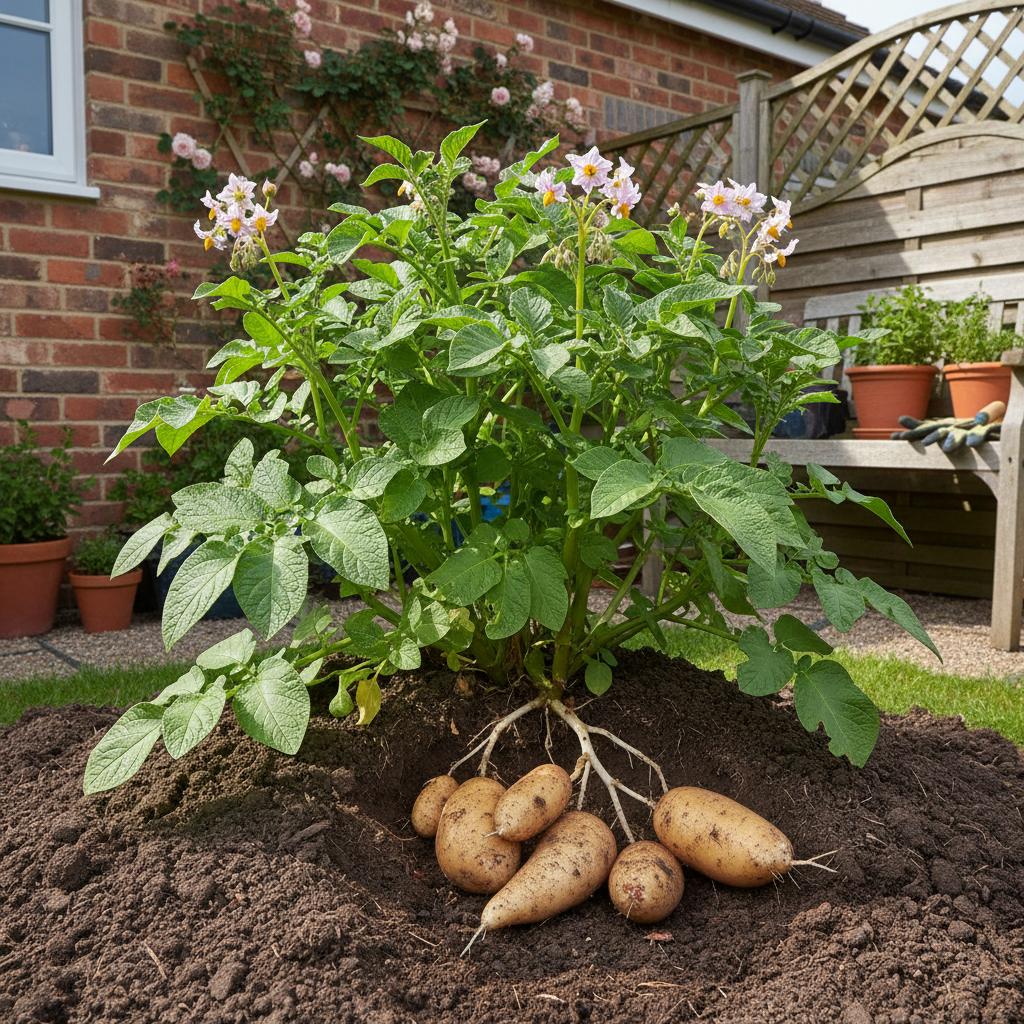
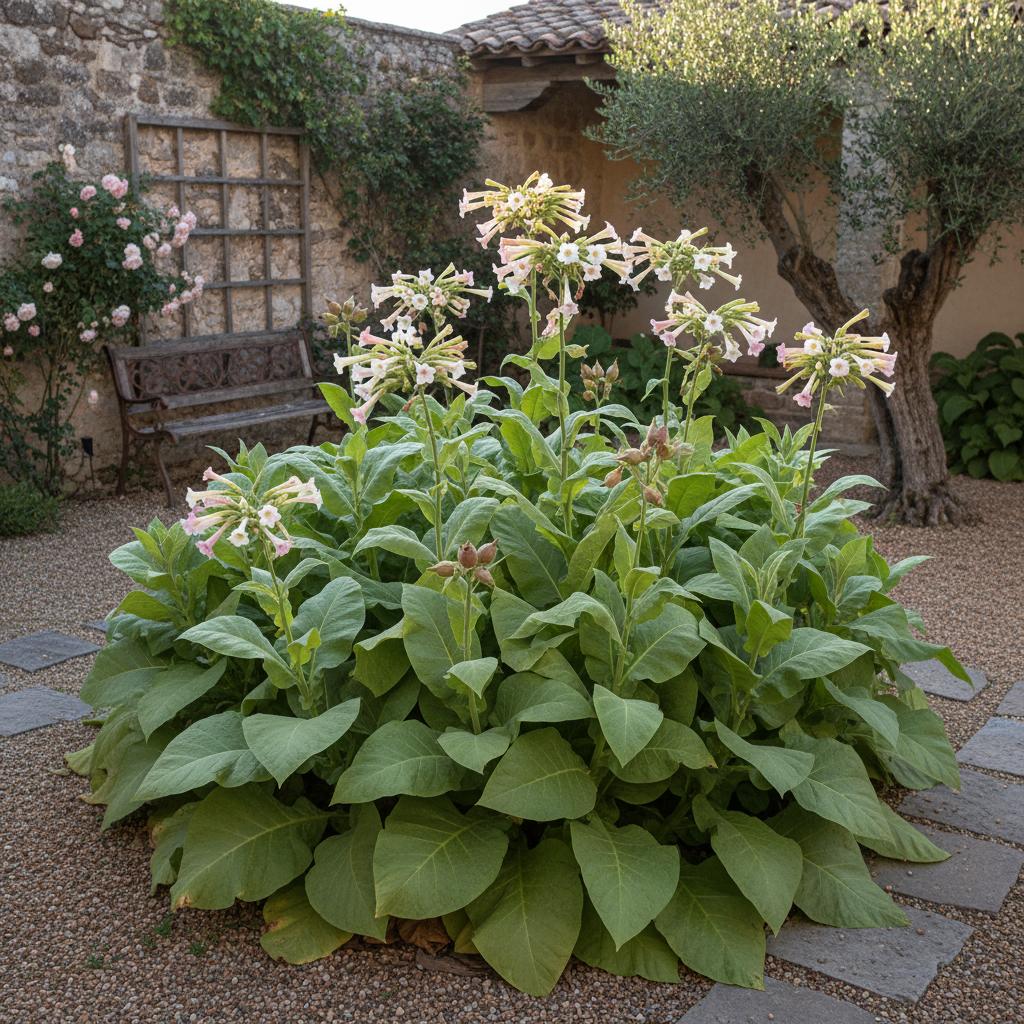
The following plants look similar and may be confused:
Related Toxic Plants

Download PlantFun App
Identify, grow and care for plants effectively!
Instant Plant ID
Take a photo to quickly identify plants.
Smart Care Reminders
Generate watering and care schedules.
Toxicity & Disease Diagnosis
Identify toxic plants and pests with treatment advice.

Data Sources
This information is for reference only and does not constitute medical advice. If ingestion or poisoning is suspected, seek medical or veterinary attention immediately.