 PlantFun
Carrot Flower Toxic?

Carrot flower (garden carrot) is non-toxic to cats, dogs, and horses upon ingestion, with no reported systemic poisoning risk
The plant contains psoralens that can trigger mild phototoxic skin irritation in humans and animals when contacted skin is exposed to sunlight
Its taproot is the edible common garden carrot, while above-ground foliage is safe and nutrient-dense, with hard stems only being low in nutritional value
FAQ
Is Carrot Flower toxic to Humans?
Mild skin redness, itching, or blistering on contact with foliage; no adverse effects from ingestion of taproot or foliage (Low)
Is Carrot Flower toxic to Cats?
No known toxic effects from ingestion; rare mild temporary skin irritation from prolonged contact with foliage (Non-toxic)
Is Carrot Flower toxic to Dogs?
No known toxic effects from ingestion; rare mild temporary skin irritation from prolonged contact with foliage (Non-toxic)
Is Carrot Flower toxic to Horses?
No known toxic effects from ingestion; rare mild temporary skin irritation from prolonged contact with foliage (Non-toxic)
Toxicity Details
Mild skin redness, itching, or blistering on contact with foliage; no adverse effects from ingestion of taproot or foliage
No known toxic effects from ingestion; rare mild temporary skin irritation from prolonged contact with foliage
No known toxic effects from ingestion; rare mild temporary skin irritation from prolonged contact with foliage
No known toxic effects from ingestion; rare mild temporary skin irritation from prolonged contact with foliage
Toxicity Snapshot
First Aid & Prevention
First 30 Minutes
- • Wash any skin area that came into contact with carrot flower foliage thoroughly with mild soap and cool water immediately
- • If ingested in large quantities, offer small sips of water to the affected human or animal to prevent mild gastrointestinal discomfort
- • If initial redness or itching occurs on contact sites, apply a cool, damp compress to reduce irritation
Contact Vet Immediately
- • If skin irritation (redness, swelling, blistering) persists for more than 2 hours after contact
- • If your pet shows persistent vomiting, diarrhea, or lethargy after ingesting large amounts of plant material
- • If you cannot confirm the plant is carrot flower and suspect exposure to a toxic Apiaceae lookalike
Prevention
- • Always positively identify carrot flower before allowing pets or children to handle or consume it, to avoid toxic lookalike exposure
- • Wear protective gloves when handling large volumes of carrot flower foliage to reduce skin irritation risk
- • Prevent pets from foraging on unknown wild Apiaceae plants, as many species in this family are highly toxic
Treatment & Prognosis
- • For persistent contact dermatitis, use topical corticosteroids or oral antihistamines as directed by a doctor or veterinarian
- • Provide supportive care with a bland diet for 24 to 48 hours if mild gastrointestinal upset occurs after ingestion of large amounts of stems
- • If exposure to a toxic Apiaceae lookalike is confirmed, seek immediate medical or veterinary care tailored to that specific toxic plant
Professional Toxicology
• Psoralens in plant foliage cause phototoxic reactions when exposed skin comes into contact with UV radiation, leading to localized skin irritation
Information from CliniTox veterinary text.
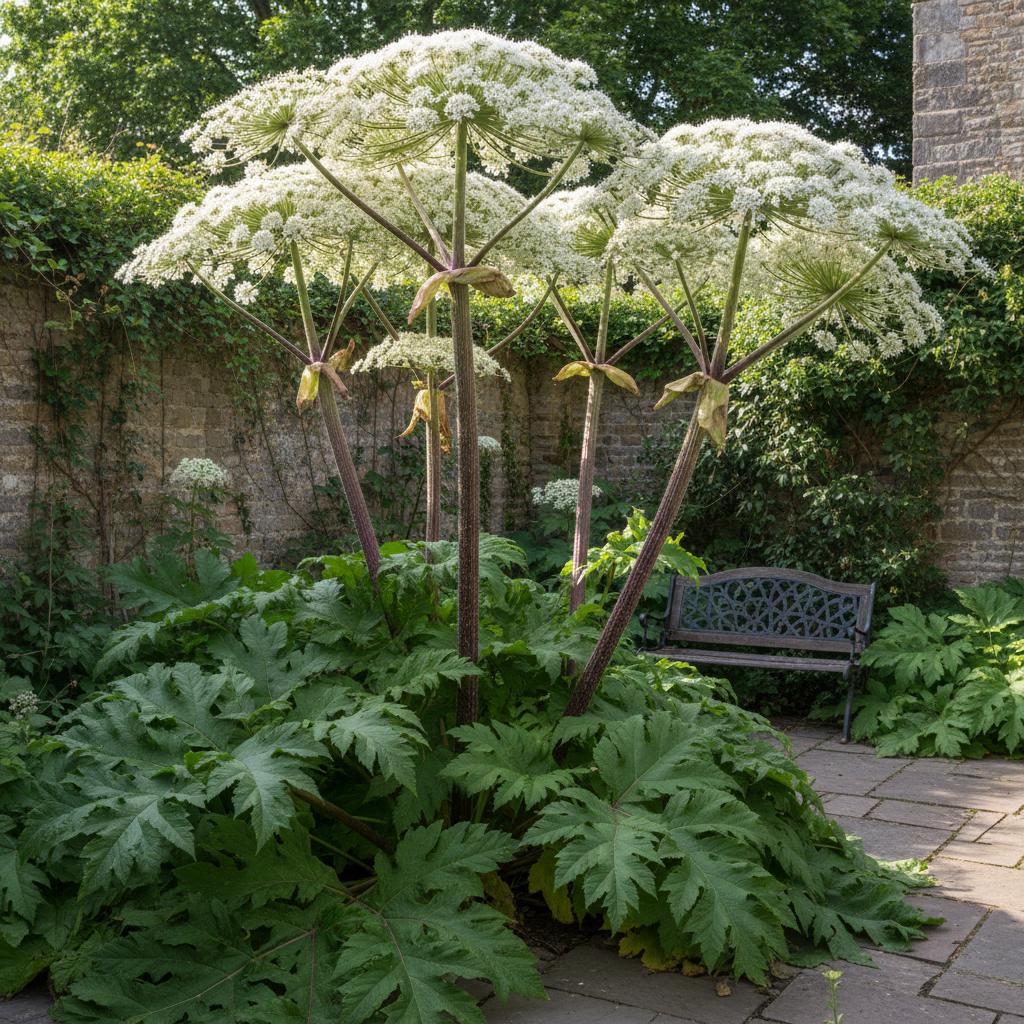
The following plants look similar and may be confused:
Related Toxic Plants
Download PlantFun App
Identify, grow and care for plants effectively!
Instant Plant ID
Take a photo to quickly identify plants.
Smart Care Reminders
Generate watering and care schedules.
Toxicity & Disease Diagnosis
Identify toxic plants and pests with treatment advice.

Data Sources
This information is for reference only and does not constitute medical advice. If ingestion or poisoning is suspected, seek medical or veterinary attention immediately.