 PlantFun
Dock Toxic?
Dock (Rumex sp.) is confirmed toxic to cats, dogs, and horses, with soluble calcium oxalates as its core toxic principle.
Common clinical signs of exposure include salivation, tremors, and rare occurrences of kidney failure in dogs and cats.
Immediate veterinary consultation is recommended if any at-risk animal is confirmed to have ingested the plant.
FAQ
Is Dock toxic to Humans?
No targeted human toxicity data is available in this dataset; large ingestion may cause oral irritation, digestive upset, and potential kidney stress. (Low)
Is Dock toxic to Cats?
Salivation, tremors, rare risk of kidney failure (Moderate)
Is Dock toxic to Dogs?
Salivation, tremors, rare risk of kidney failure (Moderate)
Is Dock toxic to Horses?
Salivation, tremors, potential kidney damage (Moderate)
Toxicity Details
No targeted human toxicity data is available in this dataset; large ingestion may cause oral irritation, digestive upset, and potential kidney stress.
Salivation, tremors, rare risk of kidney failure
Salivation, tremors, rare risk of kidney failure
Salivation, tremors, potential kidney damage
Toxicity Snapshot
First Aid & Prevention
First 30 Minutes
- • Remove any remaining plant material from the exposed animal's mouth immediately.
- • Rinse the oral cavity thoroughly with cool, clean water to reduce oxalate-related irritation.
- • Avoid inducing vomiting unless explicitly directed to do so by a licensed veterinarian.
Contact Vet Immediately
- • Confirmed ingestion of any quantity of Rumex sp. by cats, dogs, or horses.
- • Observation of clinical signs including salivation, tremors, or lethargy after potential exposure.
- • Suspected large-volume ingestion even if no immediate symptoms are visible.
Prevention
- • Eradicate dock and sorrel plants from yards, pastures, and areas accessible to pets and horses.
- • Train animal caregivers to identify the plant to prevent accidental feeding or exposure.
- • Ensure forage supplied to horses and livestock is free of dock/sorrel contamination.
Treatment & Prognosis
- • Administer intravenous fluid therapy as prescribed to support kidney function and reduce oxalate accumulation.
- • Provide symptomatic care for tremors, oral irritation, and other presenting clinical signs.
- • Monitor kidney function via blood work and urinalysis for 24 to 72 hours post-exposure.
Professional Toxicology
• Soluble calcium oxalates bind to systemic calcium after ingestion, accumulate in renal tubules to cause potential kidney damage, and trigger neuromuscular effects like tremors.
Information from CliniTox veterinary text.
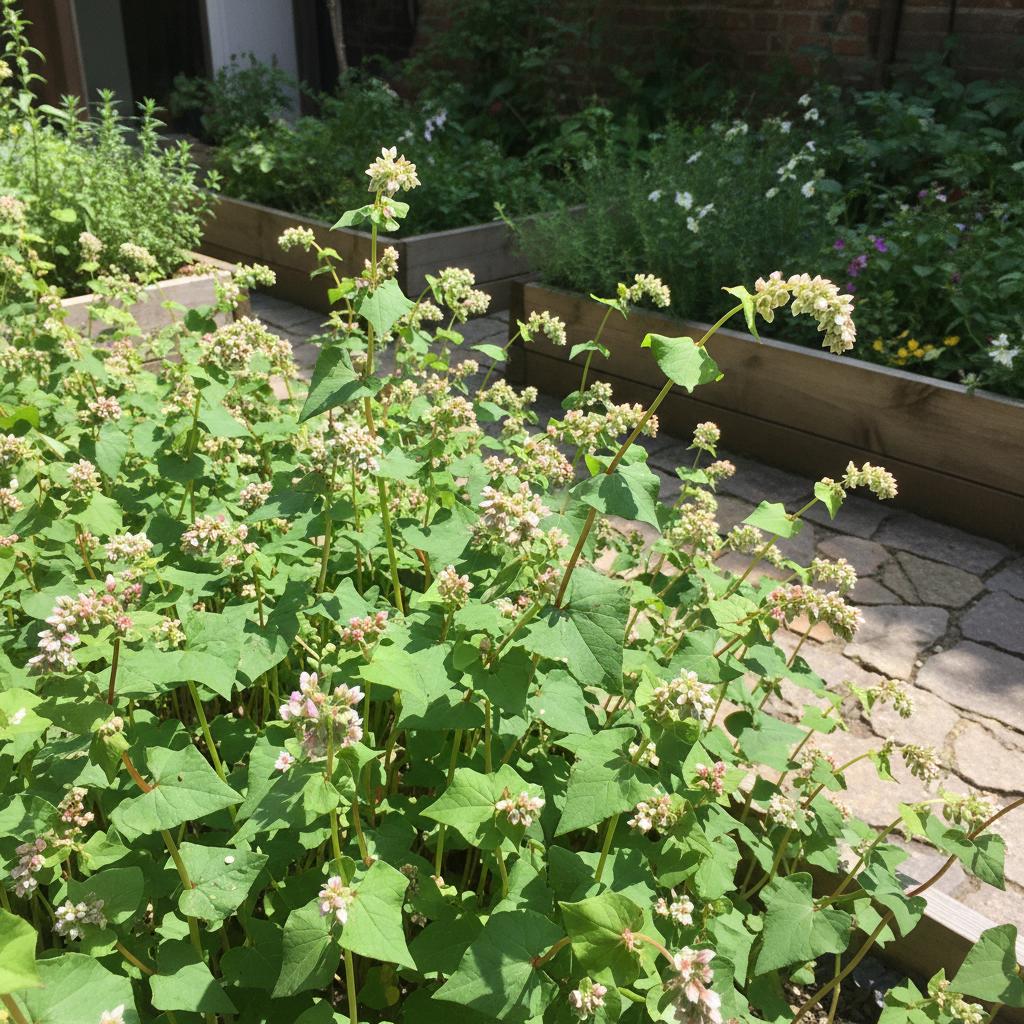
The following plants look similar and may be confused:
Related Toxic Plants

Download PlantFun App
Identify, grow and care for plants effectively!
Instant Plant ID
Take a photo to quickly identify plants.
Smart Care Reminders
Generate watering and care schedules.
Toxicity & Disease Diagnosis
Identify toxic plants and pests with treatment advice.

Data Sources
This information is for reference only and does not constitute medical advice. If ingestion or poisoning is suspected, seek medical or veterinary attention immediately.