 PlantFun
Aconite-leaf buttercup Toxic?
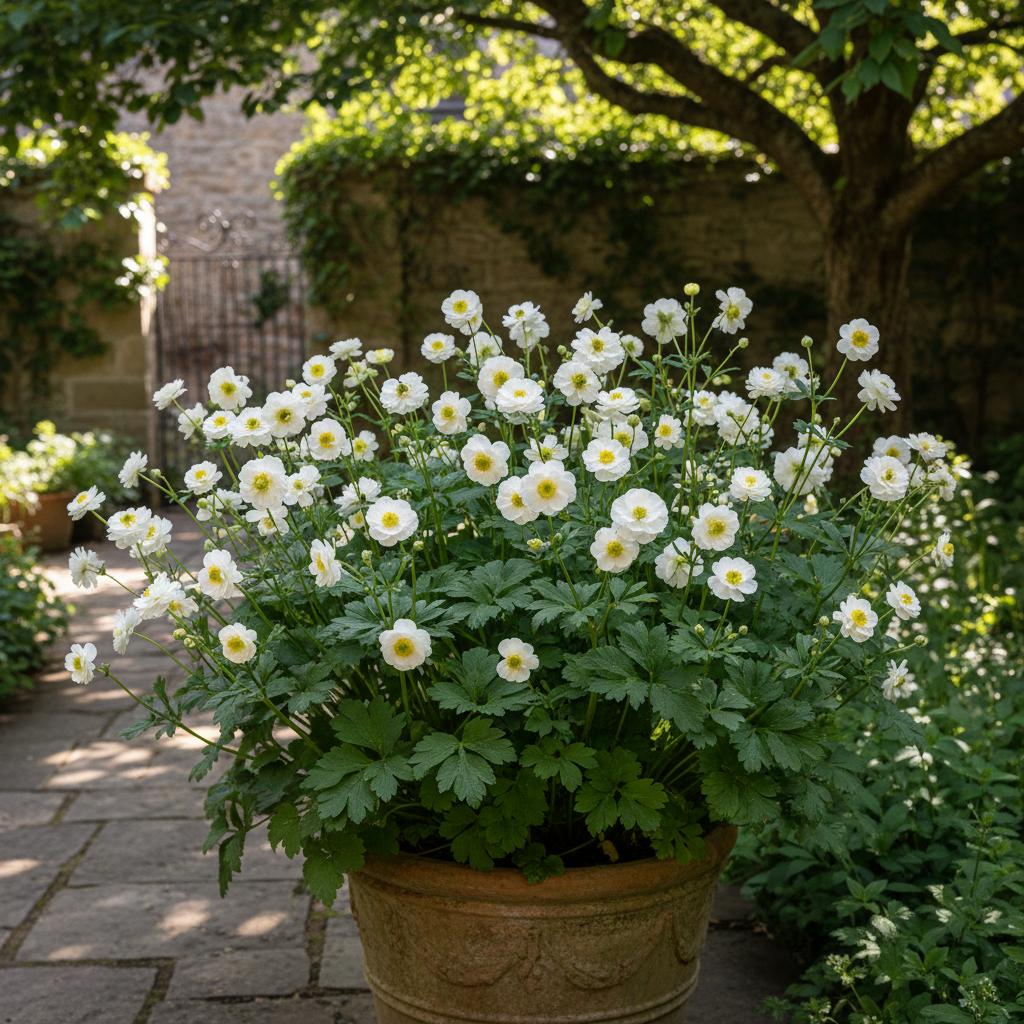
Fresh whole plant is toxic, toxicity disappears after drying or 2 months of ensiling due to conversion of protoanemonin to non-toxic anemonin
Small intake usually only causes mild gastroenteritis, large/long-term intake may lead to mucosal irritation, convulsions and even fatal respiratory paralysis
The plant also inhibits grass growth, reducing pasture yield in addition to its toxic risks
FAQ
Is Aconite-leaf buttercup toxic to Humans?
No explicit human poisoning clinical data is publicly available, accidental ingestion may cause oral irritation, gastroenteritis and other animal-like symptoms (High)
Is Aconite-leaf buttercup toxic to Cats?
No species-specific toxicity data available, accidental ingestion may cause salivation, vomiting, diarrhea and other mucosal irritation symptoms (Unknown)
Is Aconite-leaf buttercup toxic to Dogs?
No species-specific toxicity data available, accidental ingestion may cause salivation, vomiting, diarrhea and other mucosal irritation symptoms (Unknown)
Is Aconite-leaf buttercup toxic to Horses?
Mild gastroenteritis for small intake; intake of over 2kg fresh plants or 3 weeks of long-term intake may cause blisters/erythema/swelling of mouth and lips with salivation, vomiting, diarrhea, colic, weakness, hematuria, tremor, central seizures, paralysis, rare death from respiratory paralysis, and udder inflammation with reddish bitter milk for lactating individuals (High)
Toxicity Details
No explicit human poisoning clinical data is publicly available, accidental ingestion may cause oral irritation, gastroenteritis and other animal-like symptoms
No species-specific toxicity data available, accidental ingestion may cause salivation, vomiting, diarrhea and other mucosal irritation symptoms
No species-specific toxicity data available, accidental ingestion may cause salivation, vomiting, diarrhea and other mucosal irritation symptoms
Mild gastroenteritis for small intake; intake of over 2kg fresh plants or 3 weeks of long-term intake may cause blisters/erythema/swelling of mouth and lips with salivation, vomiting, diarrhea, colic, weakness, hematuria, tremor, central seizures, paralysis, rare death from respiratory paralysis, and udder inflammation with reddish bitter milk for lactating individuals
Toxicity Snapshot
First Aid & Prevention
First 30 Minutes
- • Stop ingestion immediately, rinse mouth to remove residual plant fragments
- • Take mucosal protectants (e.g. montmorillonite powder) to relieve irritation for mild cases
- • Keep the remaining plant sample for reference in follow-up diagnosis and treatment
Contact Vet Immediately
- • Pets/livestock show salivation, vomiting, diarrhea, convulsions after ingestion
- • Livestock (e.g. horses) ingest more than 2kg of the plant or have long-term exposure
- • Severe symptoms such as hematuria, paralysis, breathing difficulty occur
Prevention
- • Remove the weed from pastures in time to avoid mixing into fresh forage
- • Only feed dried or 2-month ensiled forage containing the plant to livestock
- • Prevent pets and children from eating unknown wild grass in the wild
Treatment & Prognosis
- • Carry out decontamination measures, give mucosal protectants according to species
- • Use antihistamines to relieve irritation symptoms when necessary
- • Provide supportive treatment for convulsions, respiratory distress and other severe symptoms
Professional Toxicology
• Non-toxic ranunculin in plants is enzymatically decomposed into toxic protoanemonin when the plant is wilted or damaged
• Protoanemonin has strong mucosal irritation, large intake can damage the digestive tract and affect nervous system function
• Protoanemonin is unstable and easily dimerizes into non-toxic anemonin, so dried plants are non-toxic
Information from CliniTox veterinary text.
The following plants look similar and may be confused:
Related Toxic Plants

Download PlantFun App
Identify, grow and care for plants effectively!
Instant Plant ID
Take a photo to quickly identify plants.
Smart Care Reminders
Generate watering and care schedules.
Toxicity & Disease Diagnosis
Identify toxic plants and pests with treatment advice.

Data Sources
This information is for reference only and does not constitute medical advice. If ingestion or poisoning is suspected, seek medical or veterinary attention immediately.