 PlantFun
Black Cherry Toxic?
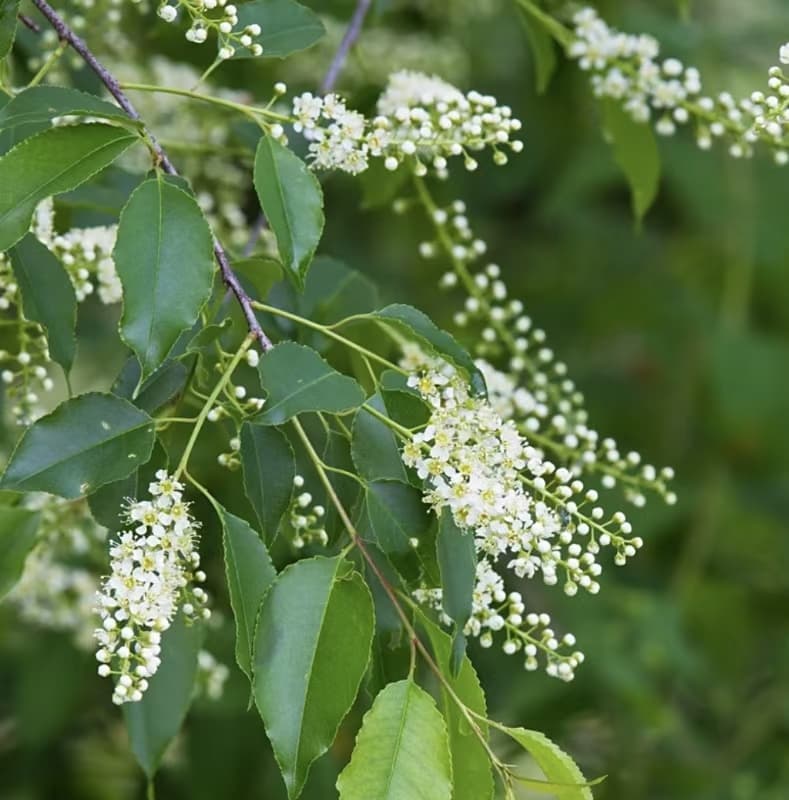
Stems, leaves and seeds of Black Cherry contain cyanogenic glycosides that release toxic cyanide when ingested
Wilted plant tissue is significantly more toxic than fresh, intact plant material
Ingestion can lead to life-threatening poisoning in cats, dogs and horses even in relatively small quantities
FAQ
Is Black Cherry toxic to Humans?
No specific human toxicity data is provided, but ingestion of large volumes of stems, leaves or seeds may trigger cyanide poisoning symptoms (Moderate)
Is Black Cherry toxic to Cats?
Brick red mucous membranes, dilated pupils, difficulty breathing, panting, shock, potential fatality if untreated (High)
Is Black Cherry toxic to Dogs?
Brick red mucous membranes, dilated pupils, difficulty breathing, panting, shock, potential fatality if untreated (High)
Is Black Cherry toxic to Horses?
Brick red mucous membranes, dilated pupils, difficulty breathing, panting, shock, potential fatality if untreated (High)
Toxicity Details
No specific human toxicity data is provided, but ingestion of large volumes of stems, leaves or seeds may trigger cyanide poisoning symptoms
Brick red mucous membranes, dilated pupils, difficulty breathing, panting, shock, potential fatality if untreated
Brick red mucous membranes, dilated pupils, difficulty breathing, panting, shock, potential fatality if untreated
Brick red mucous membranes, dilated pupils, difficulty breathing, panting, shock, potential fatality if untreated
Toxicity Snapshot
First Aid & Prevention
First 30 Minutes
- • Remove all remaining plant material from the affected animal's mouth immediately
- • Do not induce vomiting unless explicitly directed by a veterinary professional
- • Document the amount and type of plant part (fresh/wilted) ingested to share with your vet
Contact Vet Immediately
- • Any confirmed or suspected ingestion of Black Cherry plant material, even without visible symptoms
- • Onset of symptoms including dilated pupils, breathing difficulty, brick red mucous membranes or panting
- • If the animal collapses, experiences seizures or shows signs of shock
Prevention
- • Remove all Black Cherry trees, fallen branches and wilted foliage from areas accessible to pets and livestock
- • Do not use Black Cherry clippings as mulch, bedding or forage in animal enclosures
- • Train pets to avoid foraging on unknown wild plants during outdoor activities
Treatment & Prognosis
- • Veterinary administration of cyanide antidotes as soon as possible after confirmed exposure
- • Supportive care including oxygen therapy and intravenous fluids to address respiratory distress and shock
- • 24-48 hour monitoring of blood oxygen levels and organ function post-exposure
Professional Toxicology
• Cyanogenic glycosides in plant tissue break down to release cyanide after ingestion, which blocks cellular oxygen uptake, causing systemic hypoxia and shock
Information from CliniTox veterinary text.
The following plants look similar and may be confused:
Related Toxic Plants



Download PlantFun App
Identify, grow and care for plants effectively!
Instant Plant ID
Take a photo to quickly identify plants.
Smart Care Reminders
Generate watering and care schedules.
Toxicity & Disease Diagnosis
Identify toxic plants and pests with treatment advice.

Data Sources
This information is for reference only and does not constitute medical advice. If ingestion or poisoning is suspected, seek medical or veterinary attention immediately.