 PlantFun
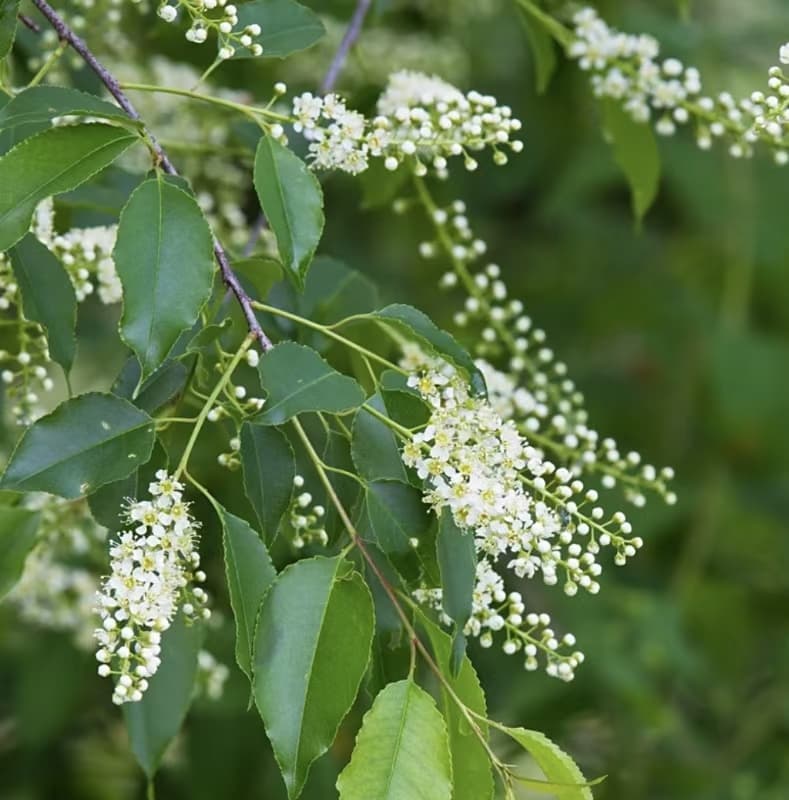
Cherry laurel Toxic?

All plant parts except ripe fruit flesh contain the cyanogenic glycosides prunasin and amygdalin, which release toxic hydrogen cyanide when metabolized
Ruminants are significantly more sensitive to poisoning than monogastric species (humans, pets, horses), with potential sudden death even with minimal prior symptoms
The plant is frequently confused with edible true bay laurel, raising the risk of accidental ingestion by humans and foraging animals
FAQ
Is Cherry laurel toxic to Humans?
As a monogastric, typical symptoms include excessive salivation, vomiting, abdominal pain, and diarrhea; severe high-dose ingestion may cause breathing difficulty, convulsions, and paralysis (Moderate)
Is Cherry laurel toxic to Cats?
As a monogastric, expected symptoms include excessive salivation, vomiting, abdominal discomfort, and diarrhea; severe cyanide poisoning (seizures, respiratory distress) is possible with large ingestion (Moderate)
Is Cherry laurel toxic to Dogs?
As a monogastric, expected symptoms include excessive salivation, vomiting, abdominal pain, and diarrhea; severe cyanide poisoning (seizures, respiratory failure) may occur with high intake (Moderate)
Is Cherry laurel toxic to Horses?
As a monogastric unable to vomit, common symptoms include excessive salivation, colic, diarrhea, and depression; severe cases may present with respiratory distress and seizures (Moderate)
Toxicity Details
As a monogastric, typical symptoms include excessive salivation, vomiting, abdominal pain, and diarrhea; severe high-dose ingestion may cause breathing difficulty, convulsions, and paralysis
As a monogastric, expected symptoms include excessive salivation, vomiting, abdominal discomfort, and diarrhea; severe cyanide poisoning (seizures, respiratory distress) is possible with large ingestion
As a monogastric, expected symptoms include excessive salivation, vomiting, abdominal pain, and diarrhea; severe cyanide poisoning (seizures, respiratory failure) may occur with high intake
As a monogastric unable to vomit, common symptoms include excessive salivation, colic, diarrhea, and depression; severe cases may present with respiratory distress and seizures
Toxicity Snapshot
First Aid & Prevention
First 30 Minutes
- • Remove any remaining cherry laurel material from the mouth and immediate environment of the exposed individual/animal
- • Induce vomiting only in conscious, non-seizing monogastric animals/humans if ingestion occurred within the last 15 minutes
- • Administer activated charcoal at 1g/kg body weight if the exposed individual is conscious and able to swallow safely
Contact Vet Immediately
- • Any confirmed or suspected ingestion by ruminant livestock, even if no symptoms are present
- • Presence of severe symptoms including difficulty breathing, seizures, abnormal bright red mucous membranes, or paralysis
- • Ingestion of more than 1 small leaf or 1 seed by a small child, cat, or small dog
Prevention
- • Avoid planting cherry laurel in areas accessible to pets, livestock, or unsupervised young children
- • Clearly label cherry laurel plants to prevent confusion with edible true bay laurel used for cooking
- • Dispose of all pruned cherry laurel clippings securely, away from areas accessible to foraging animals
Treatment & Prognosis
- • Administer respiratory support with 95% oxygen and 5% carbon dioxide ventilation for patients showing respiratory distress
- • Administer 1% sodium nitrite solution intravenously at 20-25 mg/kg body weight, immediately followed by 25% sodium thiosulfate solution at 0.5-1.25 g/kg body weight intravenously
- • Repeat half the dose of both medications if symptoms persist 15-20 minutes after initial administration
- • Provide supportive gastrointestinal care (anti-emetics, fluid therapy) for mild monogastric exposure cases
Professional Toxicology
• Cyanogenic glycosides in the plant are broken down by plant or gut enzymes to release hydrogen cyanide, which blocks cellular oxygen uptake
• The neutral pH of ruminant digestive tracts allows hydrolyzing enzymes to remain active, leading to much faster cyanide release than in the acidic gut of monogastric species
Information from CliniTox veterinary text.
The following plants look similar and may be confused:
Related Toxic Plants


Download PlantFun App
Identify, grow and care for plants effectively!
Instant Plant ID
Take a photo to quickly identify plants.
Smart Care Reminders
Generate watering and care schedules.
Toxicity & Disease Diagnosis
Identify toxic plants and pests with treatment advice.

Data Sources
This information is for reference only and does not constitute medical advice. If ingestion or poisoning is suspected, seek medical or veterinary attention immediately.