 PlantFun
Portugal laurel Toxic?

All plant parts except ripe fruit flesh contain cyanogenic glycosides prunasin and amygdalin, with highest levels in seeds, bark, and fresh leaves
Ruminants are far more sensitive to toxicity than monogastric species (humans, cats, dogs, horses) due to differences in digestive pH
Acute cyanide intoxication can cause sudden death in minutes with almost no preceding symptoms, especially in ruminant livestock
FAQ
Is Portugal laurel toxic to Humans?
Excessive salivation, vomiting, abdominal pain, diarrhea; severe poisoning (rare with small ingestion) may cause difficulty breathing, seizures, and death (Moderate)
Is Portugal laurel toxic to Cats?
Excessive salivation, vomiting, abdominal pain, diarrhea; severe effects are rare unless large amounts are ingested (Moderate)
Is Portugal laurel toxic to Dogs?
Excessive salivation, vomiting, abdominal pain, diarrhea; severe effects are rare unless large amounts are ingested (Moderate)
Is Portugal laurel toxic to Horses?
Excessive salivation, abdominal pain, diarrhea; severe effects are rare unless large amounts are ingested (Moderate)
Toxicity Details
Excessive salivation, vomiting, abdominal pain, diarrhea; severe poisoning (rare with small ingestion) may cause difficulty breathing, seizures, and death
Excessive salivation, vomiting, abdominal pain, diarrhea; severe effects are rare unless large amounts are ingested
Excessive salivation, vomiting, abdominal pain, diarrhea; severe effects are rare unless large amounts are ingested
Excessive salivation, abdominal pain, diarrhea; severe effects are rare unless large amounts are ingested
Toxicity Snapshot
First Aid & Prevention
First 30 Minutes
- • Remove any remaining plant material from the mouth of the exposed individual/pet immediately
- • Do not induce vomiting unless explicitly instructed to do so by a medical or veterinary professional
- • Collect a sample of the ingested plant to aid in accurate diagnosis and treatment
Contact Vet Immediately
- • Any confirmed or suspected ingestion of toxic plant parts (leaves, seeds, bark, unripe fruit)
- • Appearance of symptoms including excessive salivation, difficulty breathing, seizures, or uncoordinated movement
- • Ingestion of any amount of the plant by small children, small pets, or ruminant livestock
Prevention
- • Keep Portugal laurel plants out of reach of children, pets, and livestock, especially ruminants
- • Clearly label the plant to avoid confusion with edible true laurel (Laurus nobilis) used in cooking
- • Never consume any part of the plant except fully ripe, pitted fruit flesh, which has negligible toxin levels
Treatment & Prognosis
- • Provide respiratory support with 95% oxygen / 5% carbon dioxide ventilation as needed
- • Administer 1% sodium nitrite solution intravenously at a dose of 20-25 mg/kg body weight, followed immediately by 25% sodium thiosulfate solution at 0.5-1.25 g/kg body weight intravenously
- • Repeat half the dose of both medications if symptoms do not resolve after initial administration
Professional Toxicology
• Cyanogenic glycosides in plant tissue are broken down by digestive enzymes to release toxic hydrogen cyanide, which blocks cellular oxygen uptake
• Enzymes that trigger cyanide release are inhibited in the acidic digestive tracts of monogastrics, reducing their toxicity risk compared to ruminants with neutral gut pH
Information from CliniTox veterinary text.
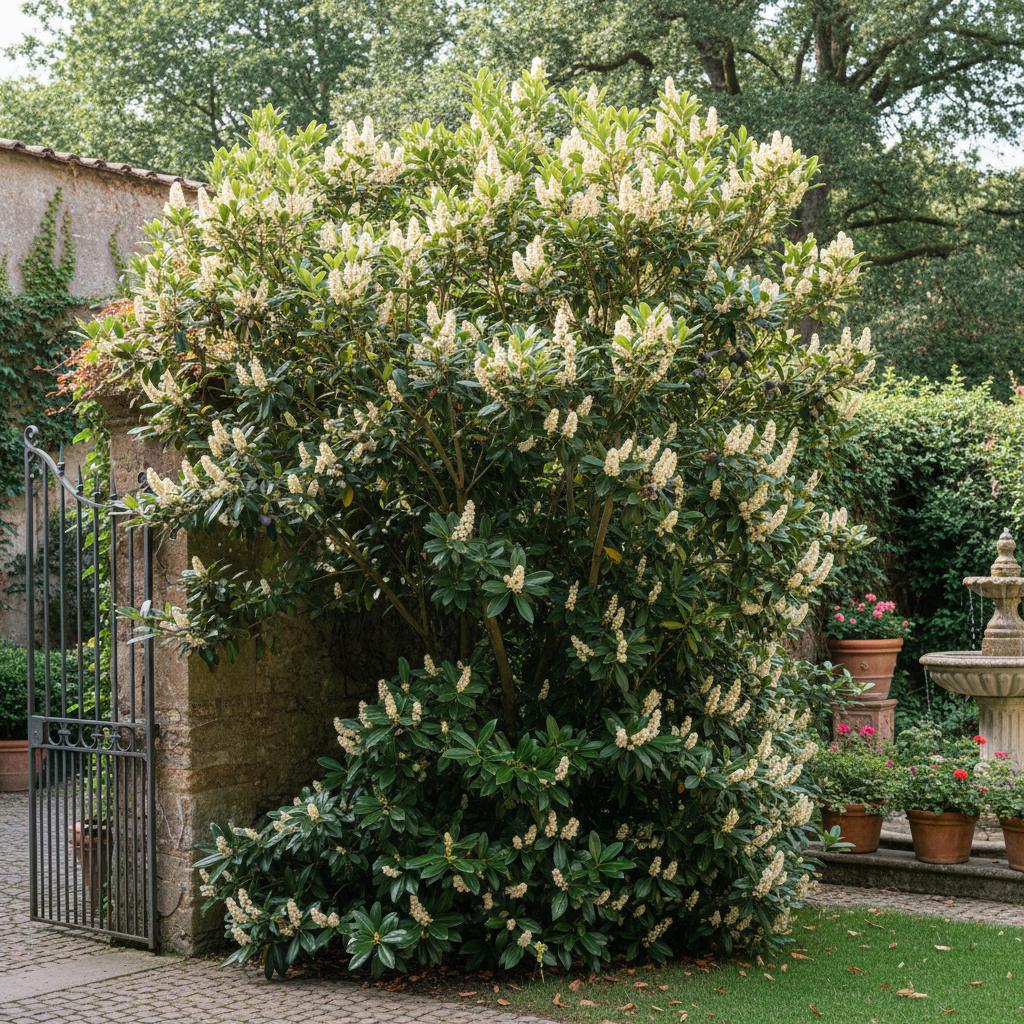
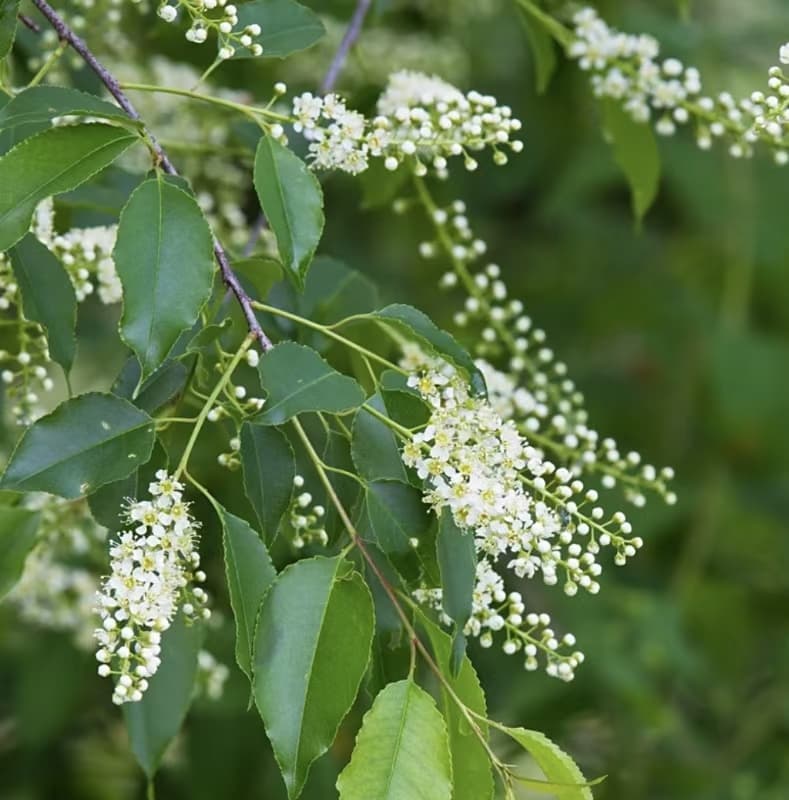
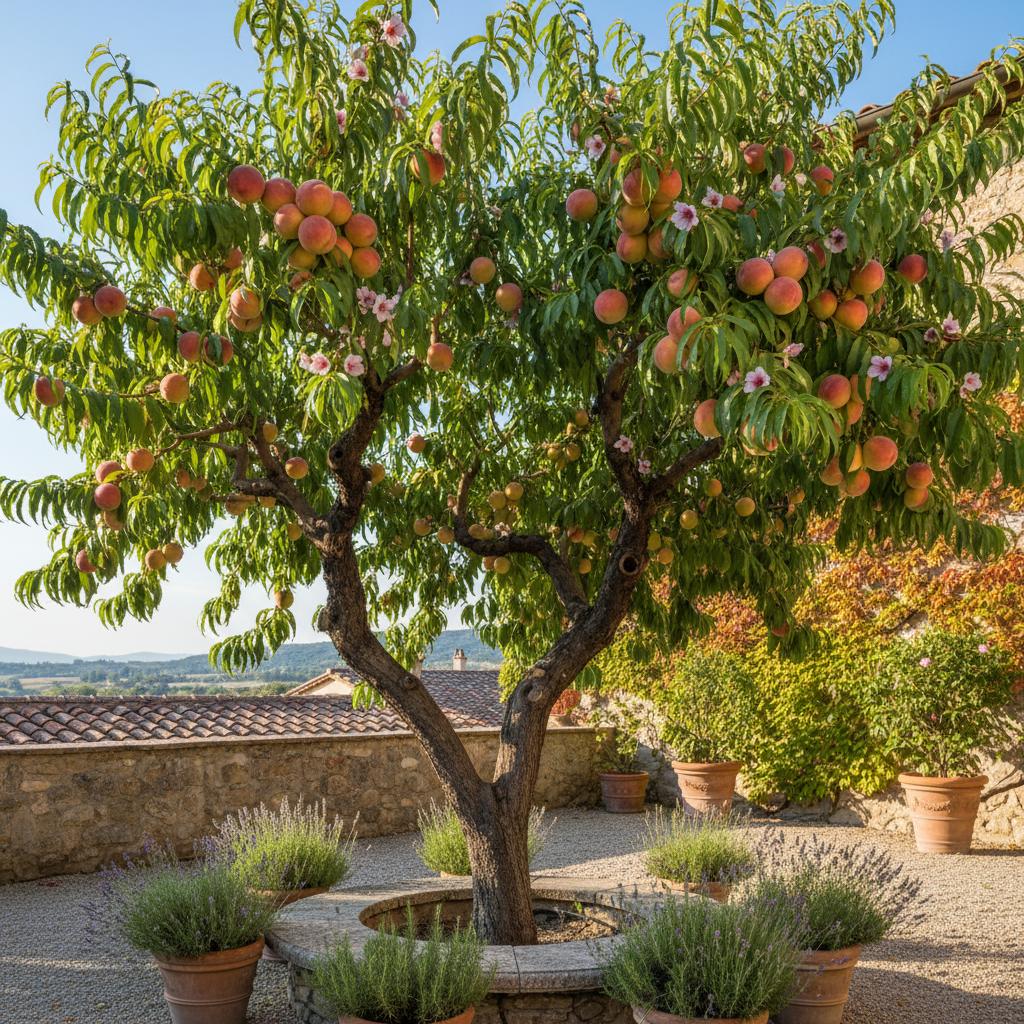
The following plants look similar and may be confused:
Related Toxic Plants
Download PlantFun App
Identify, grow and care for plants effectively!
Instant Plant ID
Take a photo to quickly identify plants.
Smart Care Reminders
Generate watering and care schedules.
Toxicity & Disease Diagnosis
Identify toxic plants and pests with treatment advice.

Data Sources
This information is for reference only and does not constitute medical advice. If ingestion or poisoning is suspected, seek medical or veterinary attention immediately.