 PlantFun
Apricot Toxic?

Stems, leaves, and seeds of the apricot plant contain cyanide and are toxic to cats, dogs, and horses
Wilting apricot plant material has significantly elevated cyanide toxicity risk for exposed animals
Ingestion of toxic apricot parts can lead to life-threatening respiratory distress and shock without prompt care
FAQ
Is Apricot toxic to Humans?
No specific human toxicity data provided; large ingestion of toxic parts may cause cyanide poisoning with respiratory and neurological effects (Low)
Is Apricot toxic to Cats?
Brick red mucous membranes, dilated pupils, difficulty breathing, panting, shock (High)
Is Apricot toxic to Dogs?
Brick red mucous membranes, dilated pupils, difficulty breathing, panting, shock (High)
Is Apricot toxic to Horses?
Brick red mucous membranes, dilated pupils, difficulty breathing, panting, shock (High)
Toxicity Details
No specific human toxicity data provided; large ingestion of toxic parts may cause cyanide poisoning with respiratory and neurological effects
Brick red mucous membranes, dilated pupils, difficulty breathing, panting, shock
Brick red mucous membranes, dilated pupils, difficulty breathing, panting, shock
Brick red mucous membranes, dilated pupils, difficulty breathing, panting, shock
Toxicity Snapshot
First Aid & Prevention
First 30 Minutes
- • Immediately remove remaining apricot plant material from the animal's mouth and surrounding area
- • Do not induce vomiting unless explicitly directed to do so by a licensed veterinarian
- • Document the amount and specific part of the apricot plant ingested to share with veterinary staff
Contact Vet Immediately
- • You confirm or suspect your animal has ingested any part of an apricot plant, especially wilted material or seeds
- • Your animal shows clinical signs including dilated pupils, brick red mucous membranes, difficulty breathing, panting, or shock
- • You are unsure if the plant your animal ingested is apricot or another toxic Prunus species
Prevention
- • Keep apricot trees, fallen pits, pruned branches, and wilted plant material out of reach of pets and horses
- • Avoid planting apricot or related toxic Prunus species in grazing areas for horses or accessible yards for pets
- • Educate household members and pet sitters on the appearance and toxicity risk of apricot plants
Treatment & Prognosis
- • Veterinary decontamination including activated charcoal or gastric lavage for recent ingestions
- • Administration of targeted cyanide antidote therapy for severe cases by a licensed veterinarian
- • Supportive care including oxygen therapy and intravenous fluids to address respiratory distress and shock
Professional Toxicology
• Cyanogenic glycosides in plant tissue are metabolized to release free cyanide after ingestion
• Cyanide blocks cellular oxygen uptake, leading to rapid tissue hypoxia and onset of clinical signs
• Wilting of plant material increases the bioavailability of toxic cyanide compounds, raising risk severity
Information from CliniTox veterinary text.
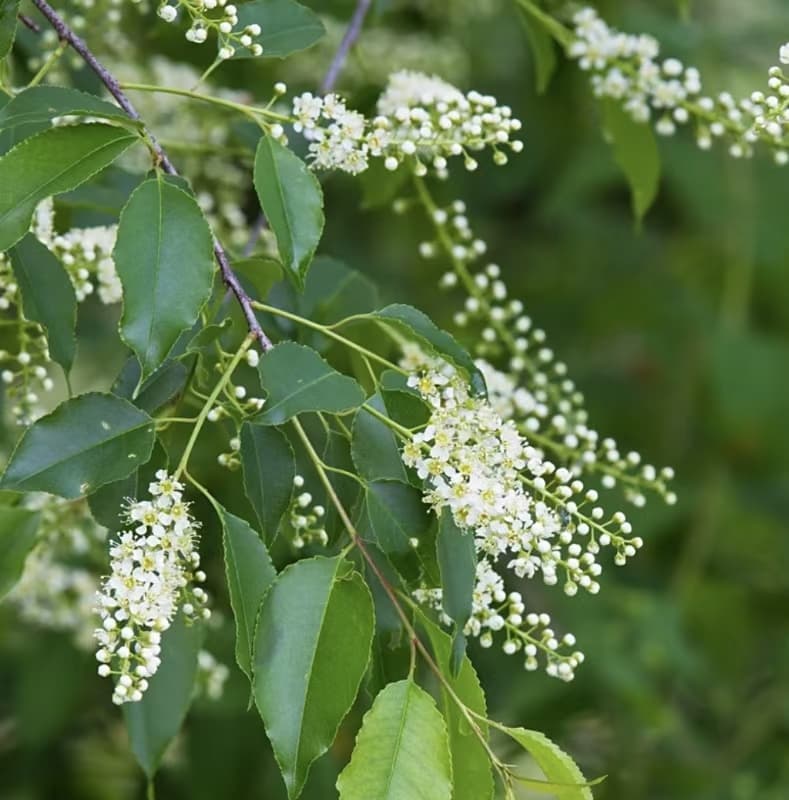
The following plants look similar and may be confused:
Related Toxic Plants


Download PlantFun App
Identify, grow and care for plants effectively!
Instant Plant ID
Take a photo to quickly identify plants.
Smart Care Reminders
Generate watering and care schedules.
Toxicity & Disease Diagnosis
Identify toxic plants and pests with treatment advice.

Data Sources
This information is for reference only and does not constitute medical advice. If ingestion or poisoning is suspected, seek medical or veterinary attention immediately.