 PlantFun
Apple Toxic?
Stems, leaves, and seeds of apples and crabapples contain toxic cyanogenic glycosides harmful to multiple animal species
Wilted apple plant parts are significantly more toxic than fresh material for cats, dogs, and horses
Ingestion of toxic apple parts can lead to life-threatening symptoms including breathing difficulty and fatal shock
FAQ
Is Apple toxic to Humans?
No specific human clinical signs are documented in the provided dataset; large doses of cyanogenic glycosides may cause dizziness, nausea, and respiratory distress (Low)
Is Apple toxic to Cats?
Brick red mucous membranes, dilated pupils, difficulty breathing, panting, shock (High)
Is Apple toxic to Dogs?
Brick red mucous membranes, dilated pupils, difficulty breathing, panting, shock (High)
Is Apple toxic to Horses?
Brick red mucous membranes, dilated pupils, difficulty breathing, panting, shock (High)
Toxicity Details
No specific human clinical signs are documented in the provided dataset; large doses of cyanogenic glycosides may cause dizziness, nausea, and respiratory distress
Brick red mucous membranes, dilated pupils, difficulty breathing, panting, shock
Brick red mucous membranes, dilated pupils, difficulty breathing, panting, shock
Brick red mucous membranes, dilated pupils, difficulty breathing, panting, shock
Toxicity Snapshot
First Aid & Prevention
First 30 Minutes
- • Remove any remaining apple plant material from the affected animal's mouth immediately
- • Do not induce vomiting unless explicitly directed to do so by a licensed veterinarian
- • Move the animal to a cool, well-ventilated area to reduce respiratory strain
Contact Vet Immediately
- • Any confirmed or suspected ingestion of apple stems, leaves, seeds, or wilted apple foliage
- • Appearance of symptoms including dilated pupils, brick red mucous membranes, or unusual panting
- • The animal shows signs of respiratory distress, lethargy, or unresponsiveness/shock
Prevention
- • Keep apple prunings, fallen wilted leaves, and apple cores/seeds out of reach of companion animals and horses
- • Do not feed unprocessed whole apples with seeds or cores to pets, livestock, or horses
- • Clear orchard areas of fallen apple debris before allowing pets or horses to access the space
Treatment & Prognosis
- • Veterinary administration of cyanide antidotes for confirmed recent exposure
- • Supportive care including oxygen therapy to address respiratory distress
- • 24-hour monitoring of vital signs and blood oxygen levels to catch delayed complications
Professional Toxicology
• Cyanogenic glycosides are metabolized to release cyanide, which blocks cellular oxygen uptake, leading to tissue hypoxia, organ damage, and potentially fatal shock
Information from CliniTox veterinary text.
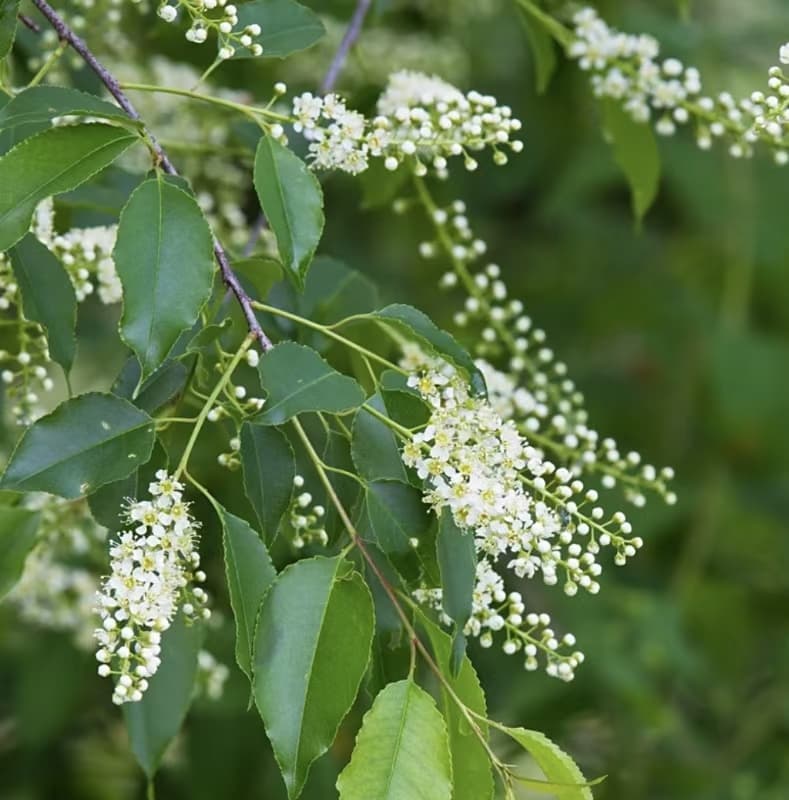
The following plants look similar and may be confused:
Related Toxic Plants


Download PlantFun App
Identify, grow and care for plants effectively!
Instant Plant ID
Take a photo to quickly identify plants.
Smart Care Reminders
Generate watering and care schedules.
Toxicity & Disease Diagnosis
Identify toxic plants and pests with treatment advice.

Data Sources
This information is for reference only and does not constitute medical advice. If ingestion or poisoning is suspected, seek medical or veterinary attention immediately.