 PlantFun
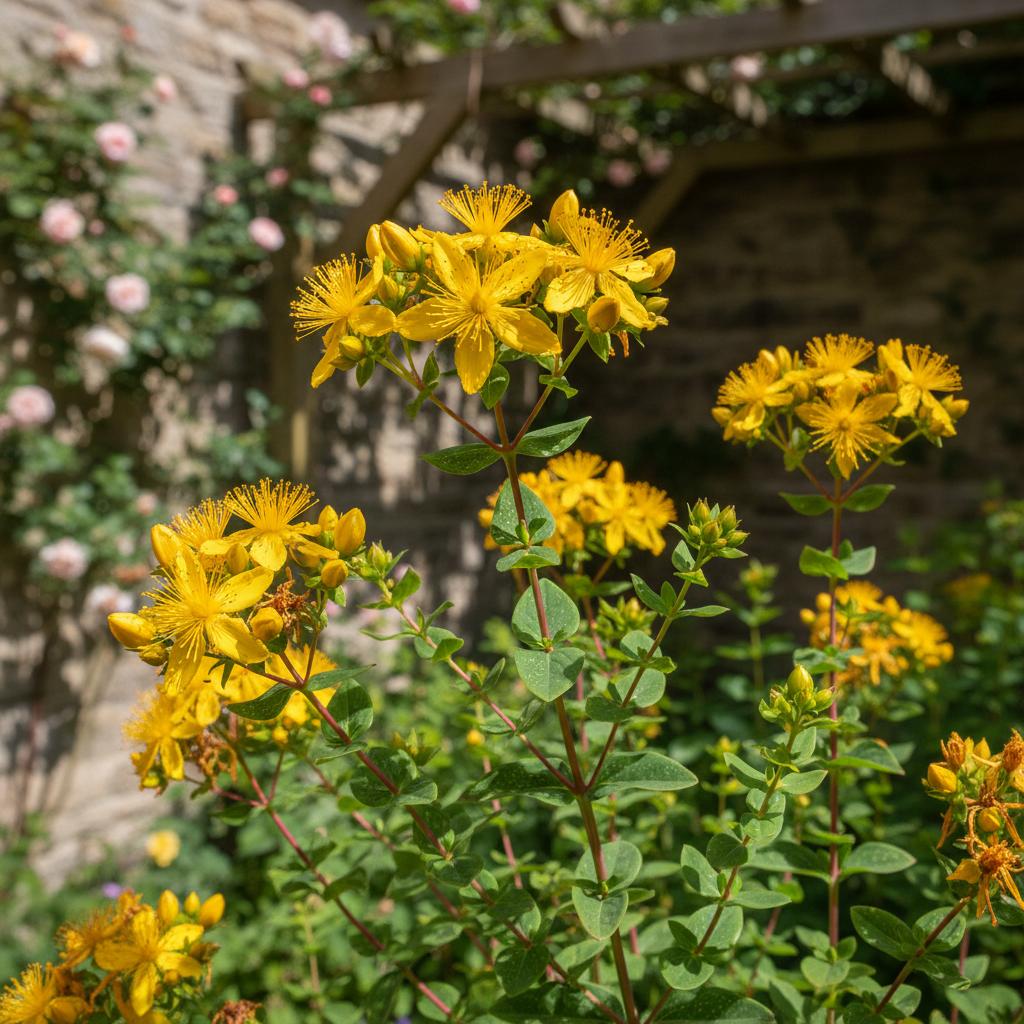
St. Peter's Wort Toxic?
The entire plant is toxic, with highest concentrations in flowers and leaves; ~20% of toxicity remains in dried fodder.
Horses are uniquely sensitive to its toxins, with severe reactions including coma possible if left untreated.
Core toxic effects include UV-triggered skin lesions on unpigmented skin, plus appetite loss and neurological symptoms.
FAQ
Is St. Peter's Wort toxic to Humans?
No specific human toxicity data documented; large ingestion may cause mild photosensitivity and gastrointestinal upset as a general Hypericum risk. (Low)
Is St. Peter's Wort toxic to Cats?
No confirmed feline toxicity cases reported in this dataset; monitor for photosensitivity, lethargy and appetite loss if ingested. (Low)
Is St. Peter's Wort toxic to Dogs?
No confirmed canine toxicity cases reported in this dataset; monitor for photosensitivity, gastrointestinal distress and restlessness if ingested. (Low)
Is St. Peter's Wort toxic to Horses?
Lesions (redness, edema, black crusts) on sun-exposed unpigmented skin prone to secondary infection, appetite loss, unsteadiness, seizures, coma in severe cases. (Moderate)
Toxicity Details
No specific human toxicity data documented; large ingestion may cause mild photosensitivity and gastrointestinal upset as a general Hypericum risk.
No confirmed feline toxicity cases reported in this dataset; monitor for photosensitivity, lethargy and appetite loss if ingested.
No confirmed canine toxicity cases reported in this dataset; monitor for photosensitivity, gastrointestinal distress and restlessness if ingested.
Lesions (redness, edema, black crusts) on sun-exposed unpigmented skin prone to secondary infection, appetite loss, unsteadiness, seizures, coma in severe cases.
Toxicity Snapshot
First Aid & Prevention
First 30 Minutes
- • Move exposed animal immediately out of direct sunlight into a fully shaded area or enclosed stall.
- • Remove all remaining plant material from the animal's mouth and environment to stop further ingestion.
- • Rinse sun-exposed unpigmented skin areas with cool clean water to reduce initial irritation.
Contact Vet Immediately
- • Visible skin lesions (redness, swelling, black crusts) appear on unpigmented skin areas.
- • The animal exhibits appetite loss, restlessness, unsteadiness, or seizures.
- • The exposed animal is a horse, as they are uniquely sensitive to this plant's toxins.
Prevention
- • Inspect pastures and hay supplies for Hypericum tetrapterum growth before turning out grazing livestock.
- • Avoid feeding dried fodder contaminated with this plant, as ~20% of its toxicity is retained after drying.
- • Keep small companion animals away from ornamental plantings of this or related Hypericum species.
Treatment & Prognosis
- • Administer decontamination and symptomatic care per standard veterinary toxicology emergency protocols.
- • Use local or parenteral antibiotics paired with glucocorticoids to treat skin lesions and reduce inflammation.
- • Administer zinc-cod liver oil paste and niacin to support skin tissue recovery.
- • Note that antihistamines have low efficacy for treating toxicity from this plant.
Professional Toxicology
• Hypericin and related compounds react to UV radiation, triggering oxidative damage to unpigmented skin tissue (photosensitivity).
• Systemic absorption of toxic compounds causes gastrointestinal distress and neurological impairment in sensitive species.
Information from CliniTox veterinary text.
The following plants look similar and may be confused:
Related Toxic Plants

Download PlantFun App
Identify, grow and care for plants effectively!
Instant Plant ID
Take a photo to quickly identify plants.
Smart Care Reminders
Generate watering and care schedules.
Toxicity & Disease Diagnosis
Identify toxic plants and pests with treatment advice.

Data Sources
This information is for reference only and does not constitute medical advice. If ingestion or poisoning is suspected, seek medical or veterinary attention immediately.