 PlantFun
St. John’s Wort Toxic?
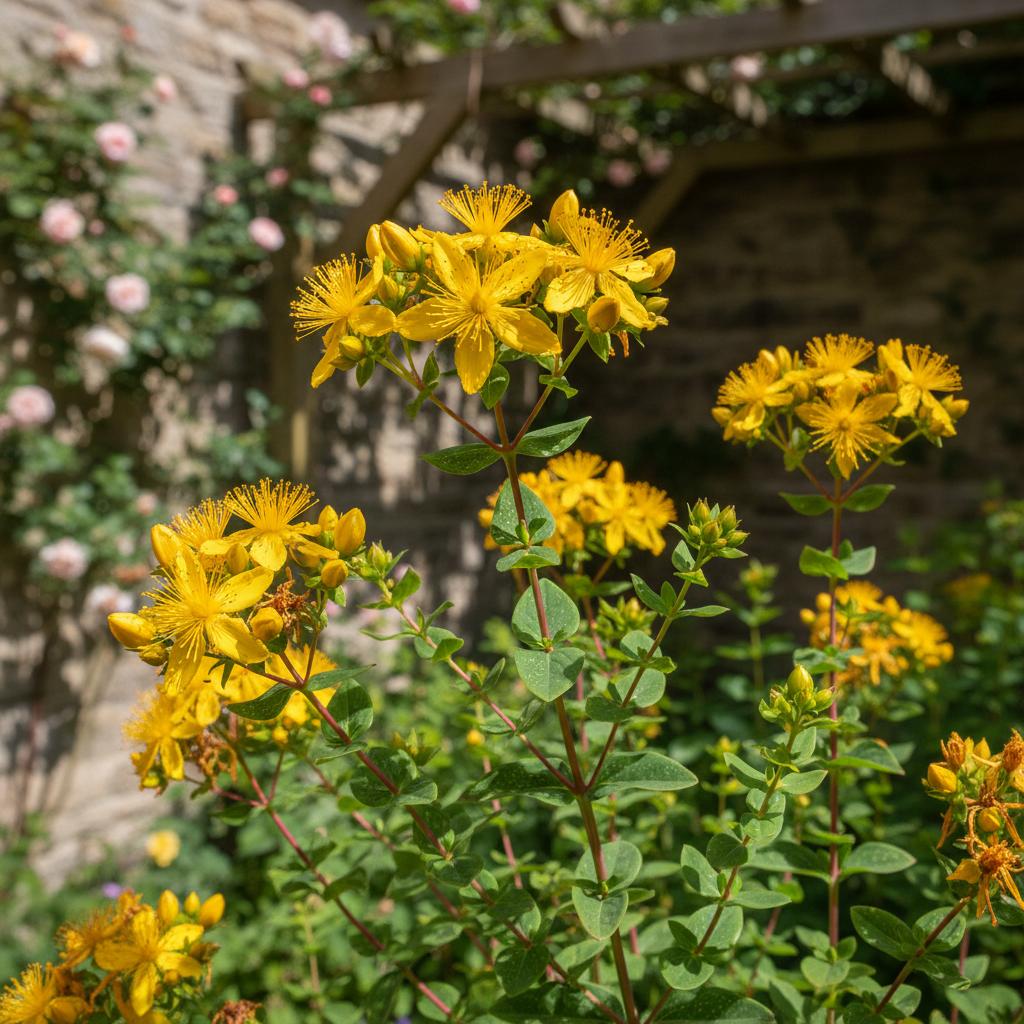
All plant parts (especially flowers and leaves) are toxic, with ~20% of toxicity retained even in dried feed
Primary toxic effect is photodermatitis: ulcerative, exudative skin lesions on sun-exposed unpigmented areas
Horses are uniquely sensitive to this toxin, with risk of severe neurological symptoms including coma
FAQ
Is St. John’s Wort toxic to Humans?
No specific human toxicity data provided in the source dataset; general clinical records indicate ingestion may cause mild to moderate photosensitivity reactions (Low)
Is St. John’s Wort toxic to Cats?
Photosensitization leading to ulcerative/exudative dermatitis on sun-exposed unpigmented skin, anorexia, restlessness, and possible convulsions (Moderate)
Is St. John’s Wort toxic to Dogs?
Photosensitization leading to ulcerative/exudative dermatitis on sun-exposed unpigmented skin, anorexia, restlessness, and possible convulsions (Moderate)
Is St. John’s Wort toxic to Horses?
Extreme species sensitivity: photosensitive dermatitis with high risk of secondary infection, inappetence, uncoordinated movement, convulsions, and potentially fatal coma (Moderate)
Toxicity Details
No specific human toxicity data provided in the source dataset; general clinical records indicate ingestion may cause mild to moderate photosensitivity reactions
Photosensitization leading to ulcerative/exudative dermatitis on sun-exposed unpigmented skin, anorexia, restlessness, and possible convulsions
Photosensitization leading to ulcerative/exudative dermatitis on sun-exposed unpigmented skin, anorexia, restlessness, and possible convulsions
Extreme species sensitivity: photosensitive dermatitis with high risk of secondary infection, inappetence, uncoordinated movement, convulsions, and potentially fatal coma
Toxicity Snapshot
First Aid & Prevention
First 30 Minutes
- • Move the exposed animal immediately to a fully shaded indoor space to stop further phototoxic damage
- • Remove all St. John’s Wort plant material, contaminated feed, or supplements from the animal’s access
- • Gently rinse exposed unpigmented skin areas with cool clean water to remove residual plant sap
Contact Vet Immediately
- • Any visible skin redness, edema, scabbing, or discharge on sun-exposed skin after confirmed or suspected ingestion
- • Presence of neurological symptoms including restlessness, convulsions, uncoordinated movement, or lethargy
- • Confirmed ingestion in horses, or if the animal refuses to eat after exposure
Prevention
- • Eradicate all St. John’s Wort growth from pastures, pet yards, and areas accessible to companion animals and livestock
- • Inspect hay and dried feed batches for contamination, as ~20% of the plant’s toxicity is retained when dried
- • Do not administer unregulated human St. John’s Wort supplements to pets or livestock
Treatment & Prognosis
- • Perform decontamination per standard emergency toxicology protocols (e.g. activated charcoal for recent ingestion)
- • Administer symptomatic care: topical or parenteral antibiotics with glucocorticoids for skin lesions, zinc cod liver oil paste, and niacin supplementation
- • Monitor closely for secondary skin infection and neurological deterioration, especially in exposed horses
- • Antihistamines are not recommended as they have very low efficacy for this specific toxicity
Professional Toxicology
• Hypericin, the main toxic principle, accumulates in skin cells after ingestion
• UV radiation from sunlight activates hypericin, triggering inflammatory phototoxic reactions that damage skin tissue
• Systemic absorption can cause central nervous system impairment, especially in highly sensitive species like horses
Information from CliniTox veterinary text.
The following plants look similar and may be confused:
Related Toxic Plants


Download PlantFun App
Identify, grow and care for plants effectively!
Instant Plant ID
Take a photo to quickly identify plants.
Smart Care Reminders
Generate watering and care schedules.
Toxicity & Disease Diagnosis
Identify toxic plants and pests with treatment advice.

Data Sources
This information is for reference only and does not constitute medical advice. If ingestion or poisoning is suspected, seek medical or veterinary attention immediately.