 PlantFun
Spanish bluebell Toxic?

All plant parts are toxic, especially the bulb, with confirmed poisoning cases recorded in horses and cattle
Small ingestion doses cause gastrointestinal distress, while larger doses lead to cardiac and neurological symptoms
Treatment relies on prompt decontamination and supportive symptomatic care for exposed individuals
FAQ
Is Spanish bluebell toxic to Humans?
No specific human poisoning cases documented in available data, but ingestion may cause gastrointestinal distress and potential cardiac effects consistent with its toxic compound profile (Moderate)
Is Spanish bluebell toxic to Cats?
No confirmed toxicity data available for cats; ingestion is discouraged due to known harmful compounds in the plant (Unknown)
Is Spanish bluebell toxic to Dogs?
No confirmed toxicity data available for dogs; ingestion is discouraged due to known harmful compounds in the plant (Unknown)
Is Spanish bluebell toxic to Horses?
Small amounts: gastrointestinal symptoms including vomiting, colic, bloody diarrhea or constipation. Larger amounts: depression, weakness, reduced peripheral circulation, cold extremities, bradyarrhythmia (Moderate)
Toxicity Details
No specific human poisoning cases documented in available data, but ingestion may cause gastrointestinal distress and potential cardiac effects consistent with its toxic compound profile
No confirmed toxicity data available for cats; ingestion is discouraged due to known harmful compounds in the plant
No confirmed toxicity data available for dogs; ingestion is discouraged due to known harmful compounds in the plant
Small amounts: gastrointestinal symptoms including vomiting, colic, bloody diarrhea or constipation. Larger amounts: depression, weakness, reduced peripheral circulation, cold extremities, bradyarrhythmia
Toxicity Snapshot
First Aid & Prevention
First 30 Minutes
- • If ingestion is confirmed and the affected individual is conscious and not seizing, induce vomiting within 1 hour of exposure
- • Administer activated charcoal to bind unabsorbed toxins if oral intake is safe
- • Collect remaining plant material for formal identification to guide subsequent care
Contact Vet Immediately
- • Any confirmed or suspected ingestion, even if no symptoms are present initially
- • Development of gastrointestinal symptoms including vomiting, diarrhea, or colic after exposure
- • Appearance of weakness, depression, cold extremities, or irregular heart rate post-exposure
Prevention
- • Keep plants out of reach of pets, livestock, and young children
- • Clearly label Spanish bluebell in gardens to avoid accidental harvest for edible plants or foraging by livestock
- • Restrict livestock grazing in areas where the plant grows densely
Treatment & Prognosis
- • Perform gastric decontamination (emesis, activated charcoal, cathartics) as appropriate for the exposed species and time since ingestion
- • Provide symptomatic support: intravenous fluids for dehydration, anti-emetics for vomiting, and cardiac monitoring for arrhythmias
- • Monitor vital signs for 24 to 48 hours post-exposure to detect delayed cardiac effects
Professional Toxicology
• DMDP pyrrolidine alkaloids act as glycosidase inhibitors, disrupting normal cellular metabolic function
• Bufadienolide-like cardiac glycosides inhibit cardiac sodium-potassium ATPase, leading to abnormal heart rhythm
• Saponins irritate the gastrointestinal mucosa, causing digestive distress including vomiting and diarrhea
Information from CliniTox veterinary text.
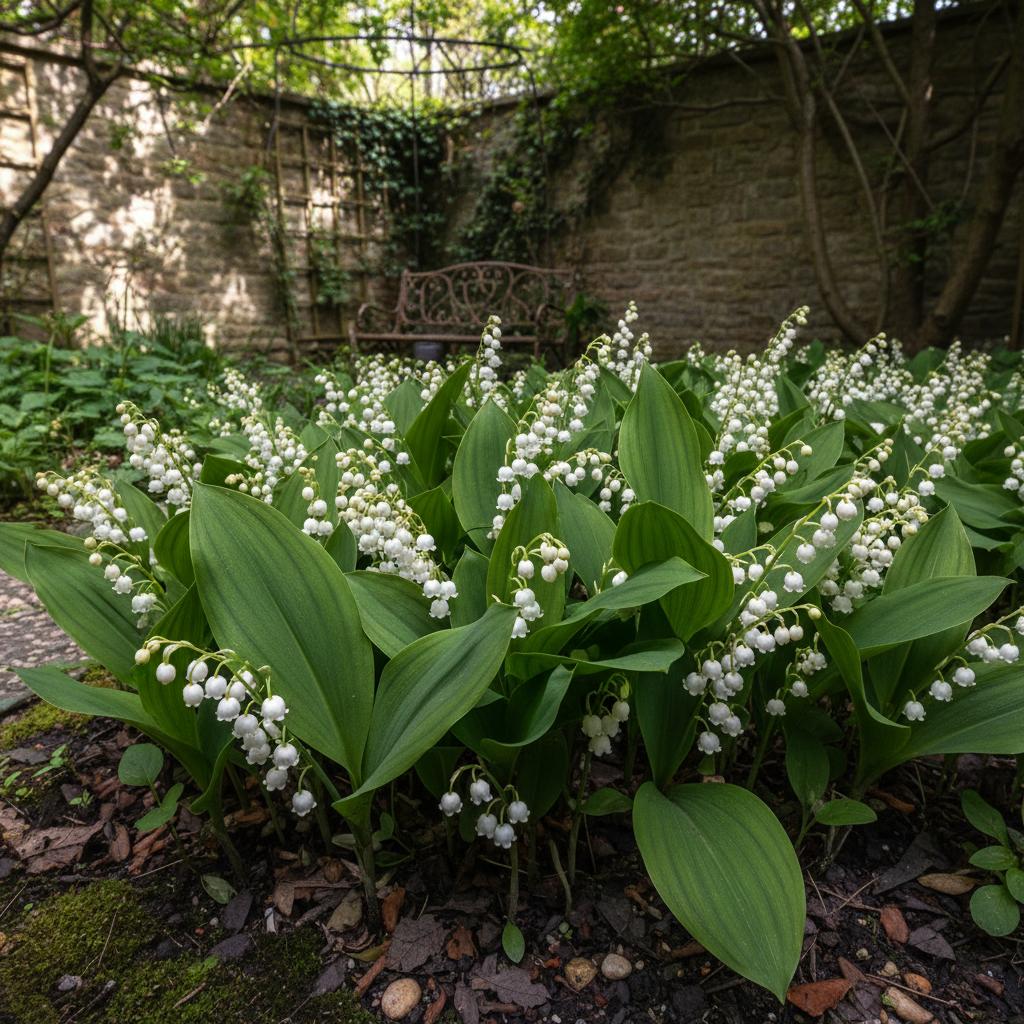
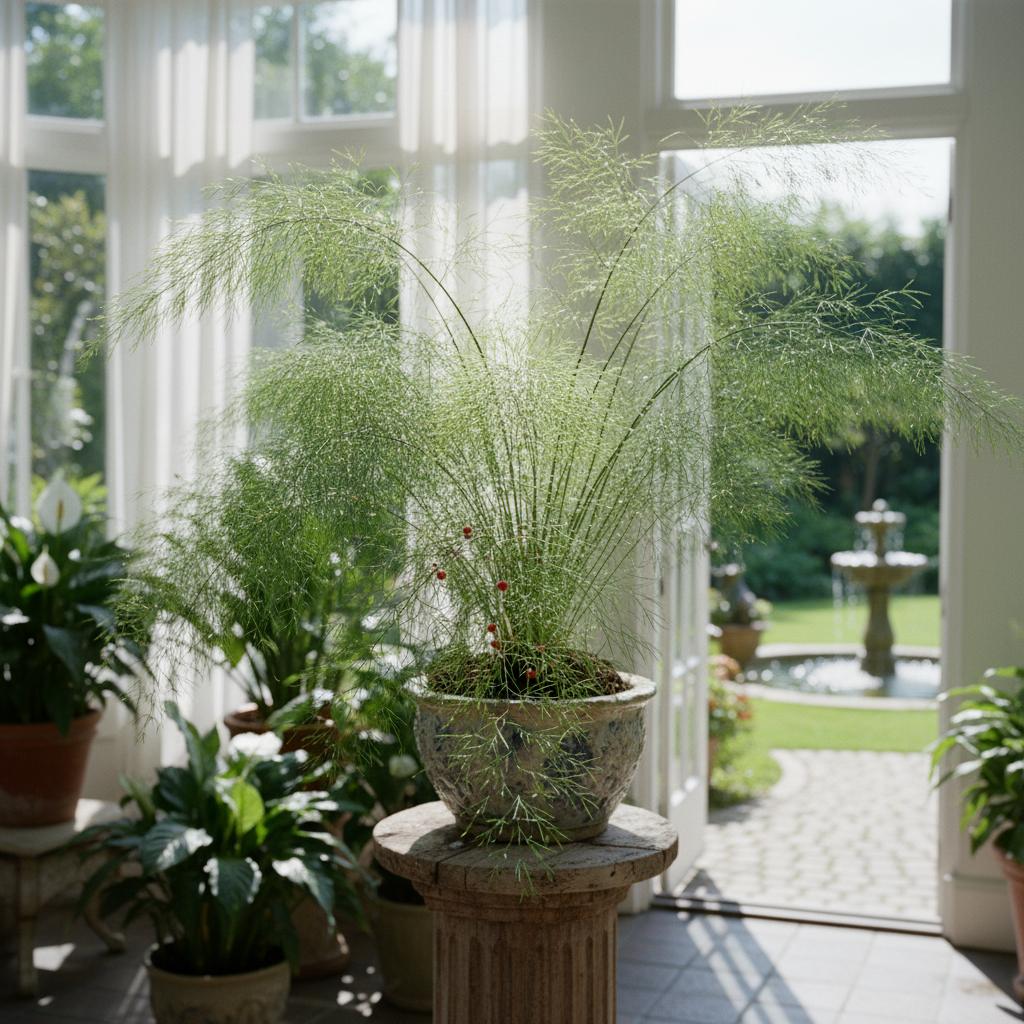
The following plants look similar and may be confused:
Related Toxic Plants

Download PlantFun App
Identify, grow and care for plants effectively!
Instant Plant ID
Take a photo to quickly identify plants.
Smart Care Reminders
Generate watering and care schedules.
Toxicity & Disease Diagnosis
Identify toxic plants and pests with treatment advice.

Data Sources
This information is for reference only and does not constitute medical advice. If ingestion or poisoning is suspected, seek medical or veterinary attention immediately.