 PlantFun
Common Bluebell Toxic?

All plant parts are toxic, with the bulb holding the highest concentration of harmful compounds
Small ingestion doses cause gastrointestinal distress, while larger doses trigger cardiac and neurological symptoms
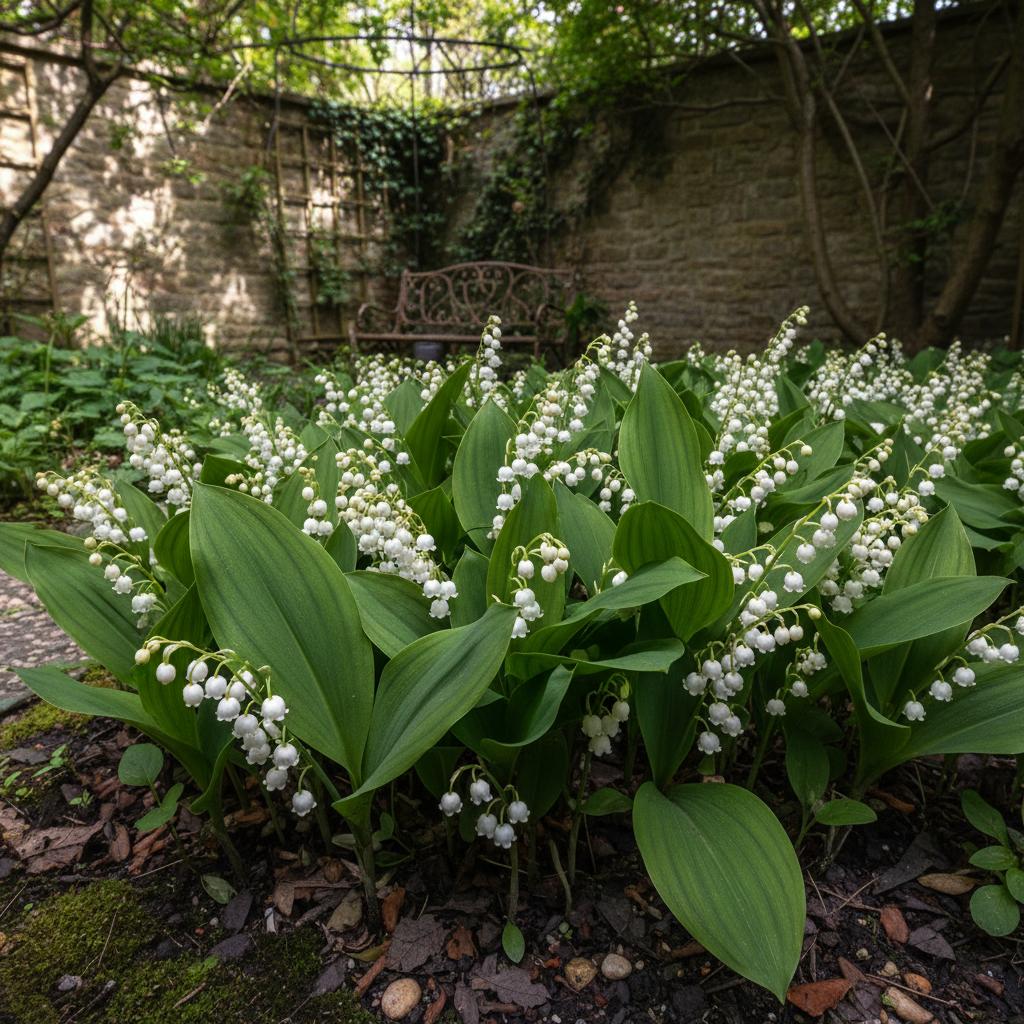
The plant is easily confused with edible or lower-toxicity species, raising accidental poisoning risk
FAQ
Is Common Bluebell toxic to Humans?
Small doses: vomiting, colic, bloody diarrhea or constipation; large doses: depression, weakness, reduced circulation, cold extremities, slow irregular heartbeat (Moderate)
Is Common Bluebell toxic to Cats?
No species-specific clinical data available, but ingestion is expected to cause gastrointestinal distress and potential cardiac abnormalities (Moderate)
Is Common Bluebell toxic to Dogs?
No species-specific clinical data available, but ingestion is expected to cause gastrointestinal distress and potential cardiac abnormalities (Moderate)
Is Common Bluebell toxic to Horses?
Confirmed poisoning cases: small doses cause vomiting, colic, bloody diarrhea or constipation; large doses cause depression, weakness, reduced peripheral circulation, cold extremities, bradyarrhythmia (Moderate)
Toxicity Details
Small doses: vomiting, colic, bloody diarrhea or constipation; large doses: depression, weakness, reduced circulation, cold extremities, slow irregular heartbeat
No species-specific clinical data available, but ingestion is expected to cause gastrointestinal distress and potential cardiac abnormalities
No species-specific clinical data available, but ingestion is expected to cause gastrointestinal distress and potential cardiac abnormalities
Confirmed poisoning cases: small doses cause vomiting, colic, bloody diarrhea or constipation; large doses cause depression, weakness, reduced peripheral circulation, cold extremities, bradyarrhythmia
Toxicity Snapshot
First Aid & Prevention
First 30 Minutes
- • Induce vomiting only if ingestion occurred within 1 hour and the affected individual/animal is fully conscious
- • Administer activated charcoal to absorb remaining toxins if medically appropriate
- • Remove all remaining plant material from the mouth and surrounding area to prevent further exposure
Contact Vet Immediately
- • Any confirmed or suspected ingestion of bluebell plant parts, especially bulbs
- • Development of symptoms including vomiting, bloody diarrhea, colic, weakness, or abnormal heart rate
- • Ingestion of large quantities of the plant by children, pets, or grazing livestock
Prevention
- • Keep bluebell plants out of reach of children, pets, and grazing livestock
- • Label bluebell plants in home gardens, and educate household members to never consume wild unidentified plants
- • Verify plant identity before harvesting wild edible bulbs, as bluebell bulbs are easily confused with edible allium species
Treatment & Prognosis
- • Gastrointestinal decontamination (emesis, activated charcoal, cathartics as clinically indicated)
- • Symptomatic supportive care including fluid therapy, anti-emetics, and cardiac monitoring
Professional Toxicology
• DMDP alkaloid inhibits glycosidase function, disrupting normal cellular metabolic processes
• Cardiac glycosides bind to Na+/K+-ATPase pumps in cardiac cells, causing abnormal heart rhythm
• Saponins irritate gastrointestinal mucosa, leading to digestive distress and tissue inflammation
Information from CliniTox veterinary text.
The following plants look similar and may be confused:
Related Toxic Plants


Download PlantFun App
Identify, grow and care for plants effectively!
Instant Plant ID
Take a photo to quickly identify plants.
Smart Care Reminders
Generate watering and care schedules.
Toxicity & Disease Diagnosis
Identify toxic plants and pests with treatment advice.

Data Sources
This information is for reference only and does not constitute medical advice. If ingestion or poisoning is suspected, seek medical or veterinary attention immediately.