 PlantFun
Lily of the Valley Toxic?

All parts of Lily of the Valley are toxic (especially flowers), and drying does not deactivate its toxic compounds
It is confirmed toxic to cats, dogs, and horses, and is severely toxic to birds, pigs, rabbits and poultry
Ingestion can cause cardiac arrhythmia, seizures, coma, and potentially fatal cardiac arrest
FAQ
Is Lily of the Valley toxic to Humans?
Vomiting, irregular heartbeat, low blood pressure, disorientation, seizures, coma, possible cardiac arrest (High)
Is Lily of the Valley toxic to Cats?
Vomiting, irregular heart rate, low blood pressure, disorientation, seizures, coma, potential death (High)
Is Lily of the Valley toxic to Dogs?
Vomiting, irregular heart rate, low blood pressure, disorientation, seizures, coma, potential death (High)
Is Lily of the Valley toxic to Horses?
Vomiting, irregular heart rate, low blood pressure, disorientation, seizures, coma, potential death (High)
Toxicity Details
Vomiting, irregular heartbeat, low blood pressure, disorientation, seizures, coma, possible cardiac arrest
Vomiting, irregular heart rate, low blood pressure, disorientation, seizures, coma, potential death
Vomiting, irregular heart rate, low blood pressure, disorientation, seizures, coma, potential death
Vomiting, irregular heart rate, low blood pressure, disorientation, seizures, coma, potential death
Toxicity Snapshot
First Aid & Prevention
First 30 Minutes
- • Immediately remove any remaining plant material from the affected individual's (human or animal) mouth
- • Contact a medical professional or veterinarian immediately for guidance, do not induce vomiting unless explicitly directed
- • Collect a sample of the ingested plant for accurate identification if possible
Contact Vet Immediately
- • Any confirmed or suspected ingestion of Lily of the Valley plant material, even if no symptoms are visible
- • Appearance of symptoms including vomiting, irregular heart rate, disorientation, seizures or respiratory distress
- • Exposure in high-risk species including cats, dogs, horses, birds, pigs, rabbits and poultry
Prevention
- • Keep Lily of the Valley plants, cut flower arrangements and dried plant material out of reach of children, pets and livestock
- • Learn to distinguish this plant from visually similar toxic and non-toxic species before foraging wild plants
- • Do not feed any unidentified wild foraged plant material to pets or livestock
Treatment & Prognosis
- • Perform decontamination (e.g. activated charcoal administration) if ingestion was recent and directed by a professional
- • Administer atropine sulfate to treat bradycardia (abnormally slow heart rate) as prescribed
- • Administer lidocaine to manage ventricular tachyarrhythmias or ventricular fibrillation as required
- • Provide supportive symptomatic care for seizures, respiratory distress and other presenting symptoms
Professional Toxicology
• Cardiac glycosides in the plant inhibit sodium-potassium ATPase activity in cardiac cells, disrupting normal heart rhythm
• Saponin compounds cause gastrointestinal irritation, leading to vomiting and diarrhea
• Toxic amino acids and other components contribute to neurological symptoms including disorientation, seizures and coma
Information from CliniTox veterinary text.
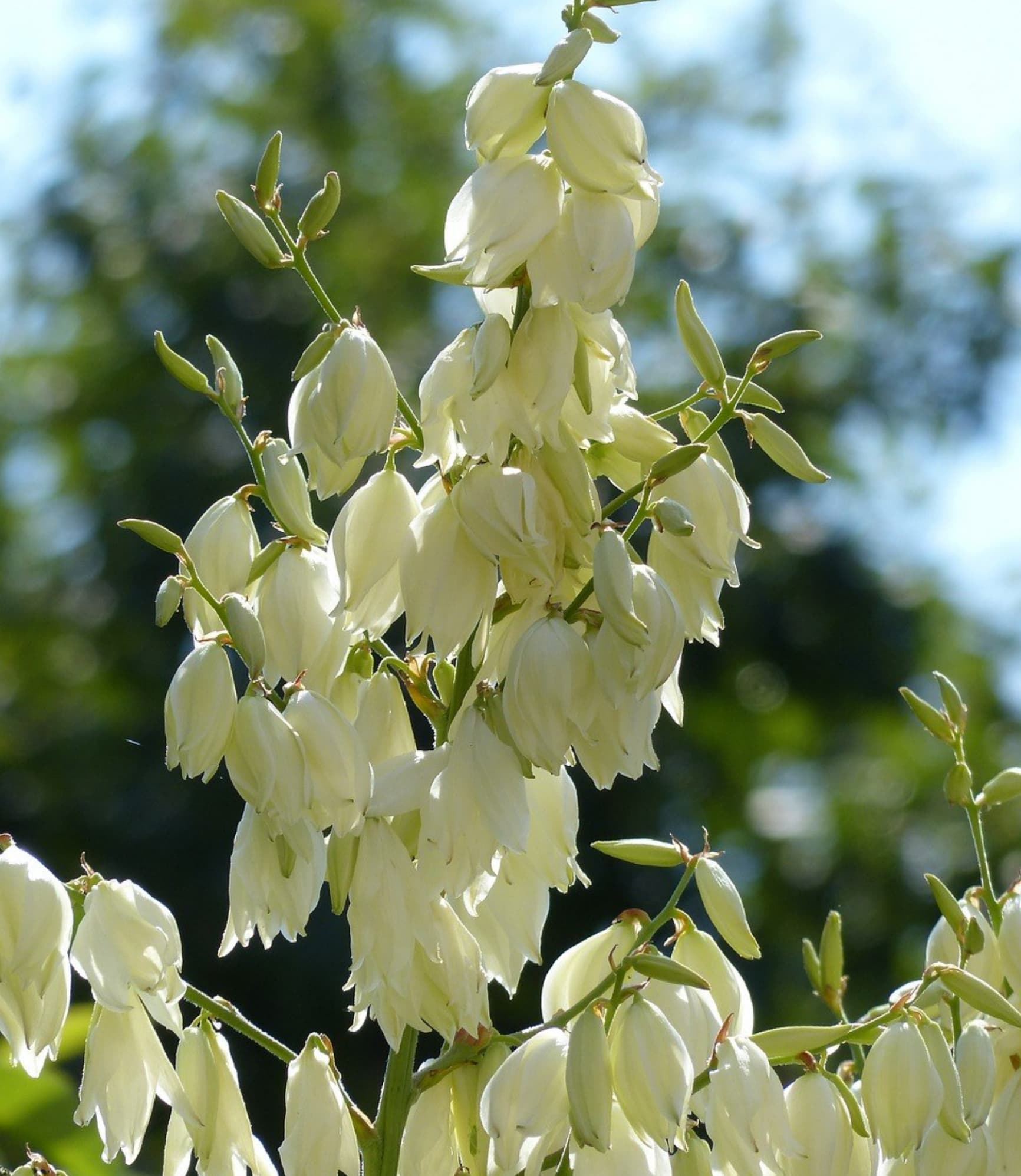
The following plants look similar and may be confused:
Related Toxic Plants


Download PlantFun App
Identify, grow and care for plants effectively!
Instant Plant ID
Take a photo to quickly identify plants.
Smart Care Reminders
Generate watering and care schedules.
Toxicity & Disease Diagnosis
Identify toxic plants and pests with treatment advice.

Data Sources
This information is for reference only and does not constitute medical advice. If ingestion or poisoning is suspected, seek medical or veterinary attention immediately.