 PlantFun
Garden heliotrope Toxic?

All parts of the plant contain toxic pyrrolizidine alkaloids that cause irreversible liver damage
Ingestion in horses leads to severe gastrointestinal and neurological symptoms, often progressing to fatal liver failure
No curative treatment exists for established poisoning, so immediate removal of contaminated feed is critical
FAQ
Is Garden heliotrope toxic to Humans?
No species-specific clinical symptom data is documented; ingestion is expected to cause liver damage, gastrointestinal distress, and potential neurological impairment consistent with pyrrolizidine alkaloid poisoning (High)
Is Garden heliotrope toxic to Cats?
No species-specific clinical symptom data is documented; ingestion may cause liver damage, gastrointestinal upset, and related toxic symptoms (High)
Is Garden heliotrope toxic to Dogs?
No species-specific clinical symptom data is documented; ingestion may cause liver damage, gastrointestinal upset, and related toxic symptoms (High)
Is Garden heliotrope toxic to Horses?
Condition loss, weight loss, anorexia, colic, constipation or bloody diarrhea, tenesmus, possible rectal prolapse, hemoglobinuria, frequent yawning, dyspnea, photosensitivity, jaundice, followed by liver failure-induced hepatoencephalic syndrome with restlessness, staggering, ataxia, aimless wandering ("Walking Disease"), toe dragging, pica, blindness, head pressing, depression, convulsions, hepatic coma, death (High)
Toxicity Details
No species-specific clinical symptom data is documented; ingestion is expected to cause liver damage, gastrointestinal distress, and potential neurological impairment consistent with pyrrolizidine alkaloid poisoning
No species-specific clinical symptom data is documented; ingestion may cause liver damage, gastrointestinal upset, and related toxic symptoms
No species-specific clinical symptom data is documented; ingestion may cause liver damage, gastrointestinal upset, and related toxic symptoms
Condition loss, weight loss, anorexia, colic, constipation or bloody diarrhea, tenesmus, possible rectal prolapse, hemoglobinuria, frequent yawning, dyspnea, photosensitivity, jaundice, followed by liver failure-induced hepatoencephalic syndrome with restlessness, staggering, ataxia, aimless wandering ("Walking Disease"), toe dragging, pica, blindness, head pressing, depression, convulsions, hepatic coma, death
Toxicity Snapshot
First Aid & Prevention
First 30 Minutes
- • Immediately remove all access to the plant or potentially contaminated feed from the exposed individual/animal
- • If ingestion occurred within 15 minutes and the affected individual is conscious, administer activated charcoal to limit toxin absorption
- • Collect any remaining plant material for accurate identification to support clinical treatment decisions
Contact Vet Immediately
- • If any ingestion of the plant is confirmed, even if no symptoms are present yet
- • If symptoms including unexplained weight loss, gastrointestinal distress, jaundice, or photosensitivity appear after potential exposure
- • If neurological symptoms including staggering, aimless wandering, head pressing, or blindness are observed
Prevention
- • Avoid planting garden heliotrope in areas accessible to pets, livestock, or small children
- • Inspect hay, straw, and pasture regularly for Heliotropium species contamination to prevent accidental ingestion by grazing animals
- • Educate household members and farm staff on the appearance and toxic risks of this plant
Treatment & Prognosis
- • No curative treatment exists for established poisoning; only symptomatic and supportive care is available
- • Immediately discontinue all feed that may be contaminated with pyrrolizidine alkaloids
- • Administer liver-protective supportive care and manage secondary symptoms (dehydration, seizures, etc.) as directed by a clinical professional
Professional Toxicology
• Pyrrolizidine alkaloids are metabolized in the liver to reactive toxic intermediates that cause irreversible hepatocellular damage and veno-occlusive disease
• Progressive liver failure leads to accumulation of toxic metabolites in the bloodstream, causing secondary hepatoencephalopathy and neurological damage
Information from CliniTox veterinary text.
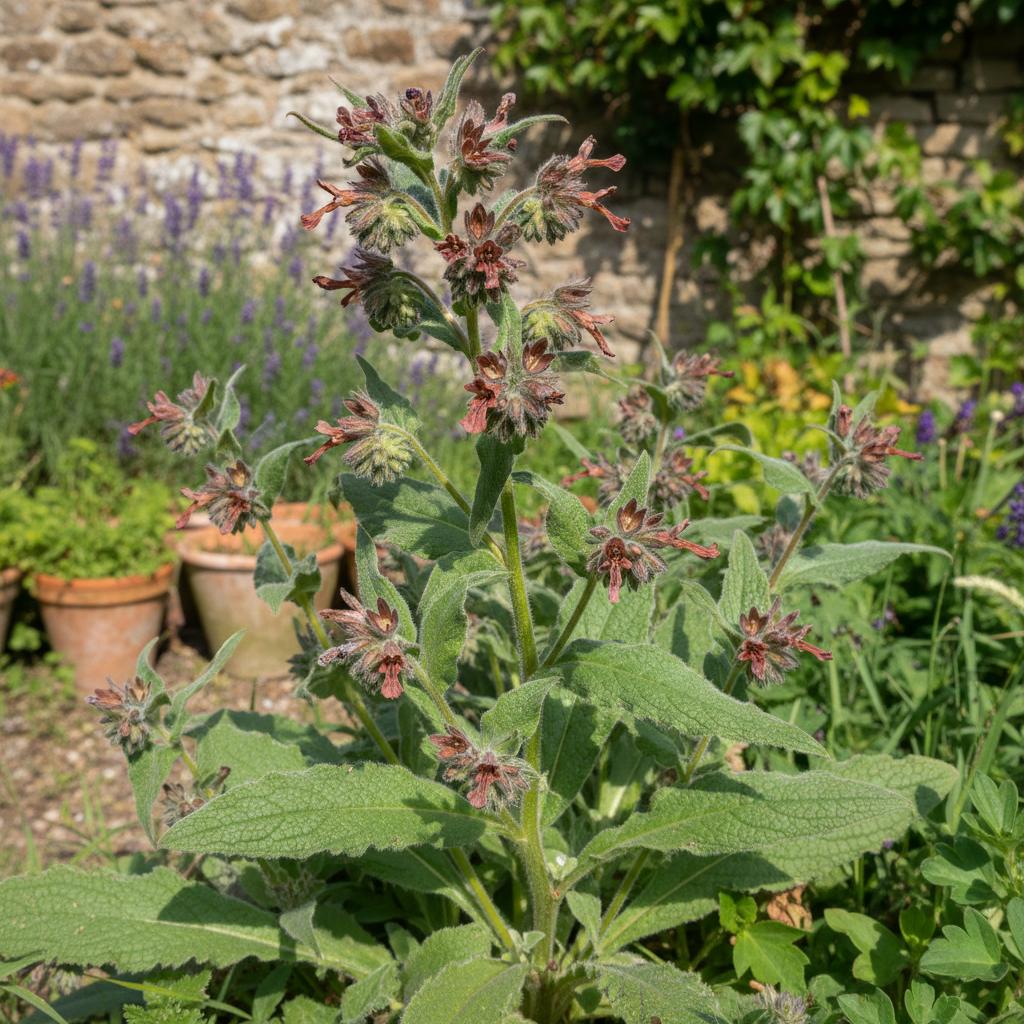
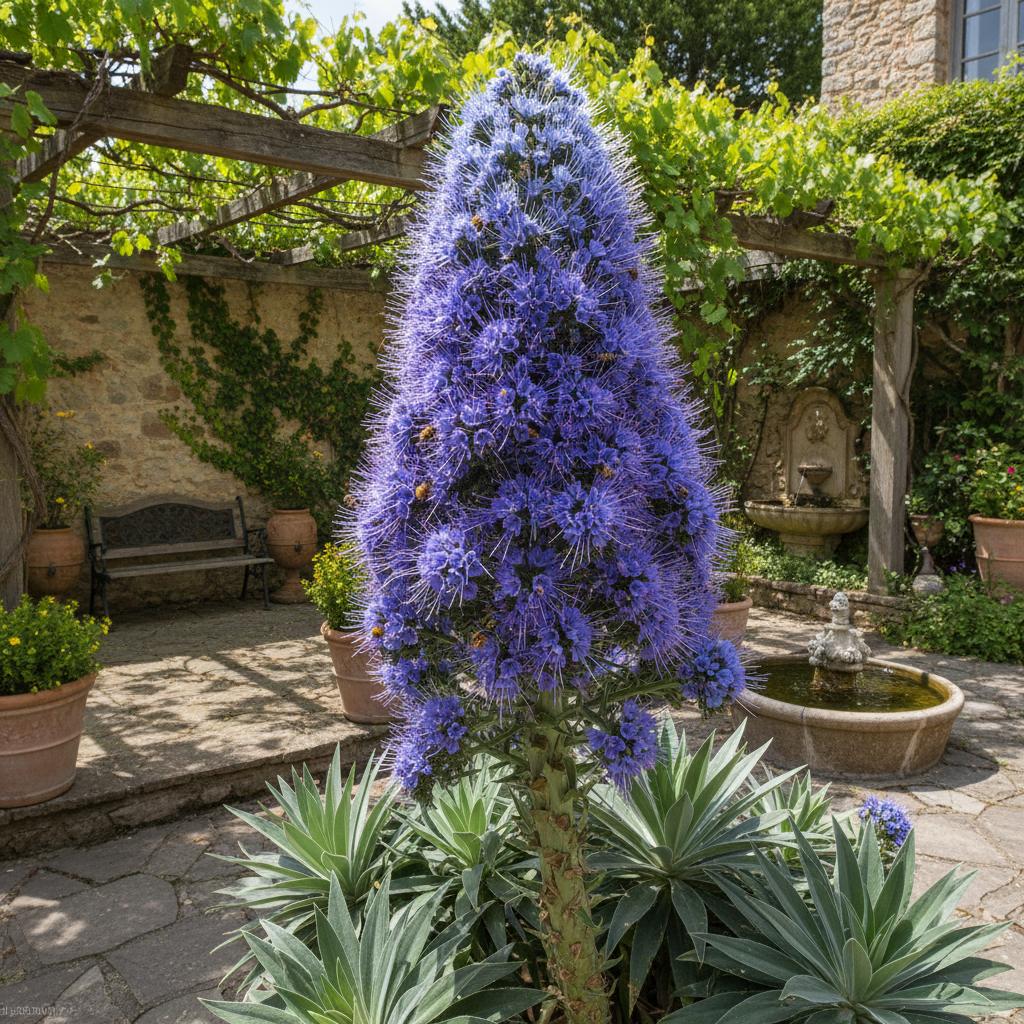
The following plants look similar and may be confused:
Related Toxic Plants

Download PlantFun App
Identify, grow and care for plants effectively!
Instant Plant ID
Take a photo to quickly identify plants.
Smart Care Reminders
Generate watering and care schedules.
Toxicity & Disease Diagnosis
Identify toxic plants and pests with treatment advice.

Data Sources
This information is for reference only and does not constitute medical advice. If ingestion or poisoning is suspected, seek medical or veterinary attention immediately.