 PlantFun
Common comfrey Toxic?

All parts of common comfrey are toxic, containing dangerous pyrrolizidine alkaloid compounds
Chronic consumption leads to irreversible liver damage and associated loss of condition in exposed organisms
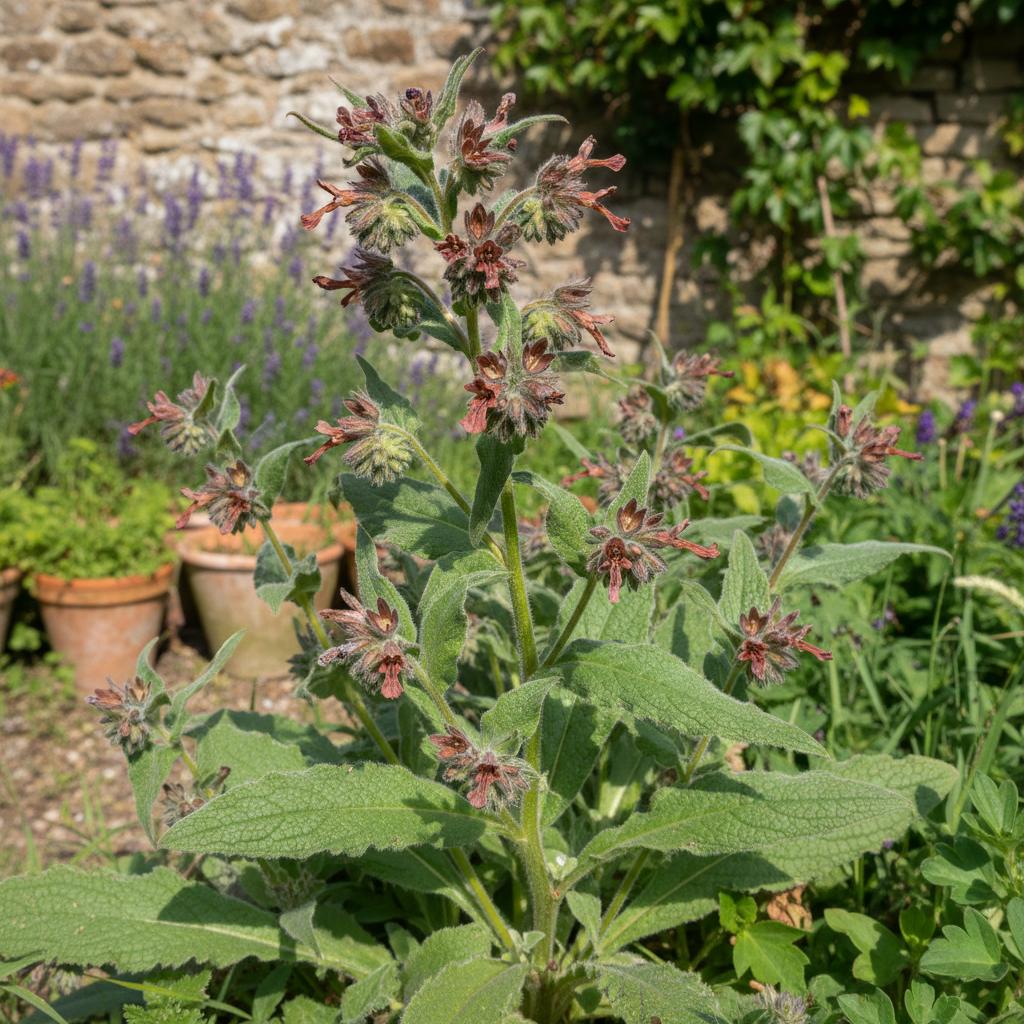
The plant is easily confused with other toxic Symphytum species and common hound's tongue
FAQ
Is Common comfrey toxic to Humans?
Chronic oral intake may cause liver damage, jaundice, unexplained weight loss, and reduced physical condition; large acute ingestions can cause mild gastrointestinal irritation (Low)
Is Common comfrey toxic to Cats?
No species-specific symptom data documented; chronic ingestion is expected to cause liver damage, lethargy, appetite loss, and condition loss consistent with pyrrolizidine alkaloid poisoning (Low)
Is Common comfrey toxic to Dogs?
No species-specific symptom data documented; chronic ingestion is expected to cause liver damage, lethargy, appetite loss, and condition loss consistent with pyrrolizidine alkaloid poisoning (Low)
Is Common comfrey toxic to Horses?
No species-specific symptom data documented; chronic ingestion is expected to cause liver damage, lethargy, appetite loss, and condition loss consistent with pyrrolizidine alkaloid poisoning (Low)
Toxicity Details
Chronic oral intake may cause liver damage, jaundice, unexplained weight loss, and reduced physical condition; large acute ingestions can cause mild gastrointestinal irritation
No species-specific symptom data documented; chronic ingestion is expected to cause liver damage, lethargy, appetite loss, and condition loss consistent with pyrrolizidine alkaloid poisoning
No species-specific symptom data documented; chronic ingestion is expected to cause liver damage, lethargy, appetite loss, and condition loss consistent with pyrrolizidine alkaloid poisoning
No species-specific symptom data documented; chronic ingestion is expected to cause liver damage, lethargy, appetite loss, and condition loss consistent with pyrrolizidine alkaloid poisoning
Toxicity Snapshot
First Aid & Prevention
First 30 Minutes
- • Induce vomiting only if ingestion occurred within 2 hours and the affected individual is fully conscious and alert
- • Administer activated charcoal to reduce absorption of remaining toxins in the gastrointestinal tract
- • Remove all residual plant material from the mouth and surrounding area to prevent further intake
Contact Vet Immediately
- • Any confirmed or suspected ingestion of common comfrey, even if no symptoms are immediately visible
- • Development of jaundice, lethargy, unexplained weight loss, or appetite loss after potential exposure
- • Accidental ingestion by vulnerable groups including small pets, young children, or pregnant animals/humans
Prevention
- • Avoid planting common comfrey in areas accessible to pets, livestock, or young children
- • Properly identify all foraged plants before consumption to avoid accidental intake of toxic lookalikes
- • Do not use unregulated oral supplements containing comfrey, as they may contain harmful pyrrolizidine alkaloids
Treatment & Prognosis
- • Gastrointestinal decontamination (emesis, activated charcoal, cathartics) as clinically appropriate for the exposure timeline
- • Symptomatic and supportive care including liver protectants, fluid therapy, and nutritional support for liver injury
- • Long-term liver function monitoring for 3-6 months post-exposure to detect chronic, progressive liver damage
Professional Toxicology
• Pyrrolizidine alkaloids are metabolized in the liver to reactive pyrrole intermediates that bind to cellular proteins and DNA, causing hepatocyte necrosis, fibrosis, and veno-occlusive disease with chronic repeated exposure
Information from CliniTox veterinary text.
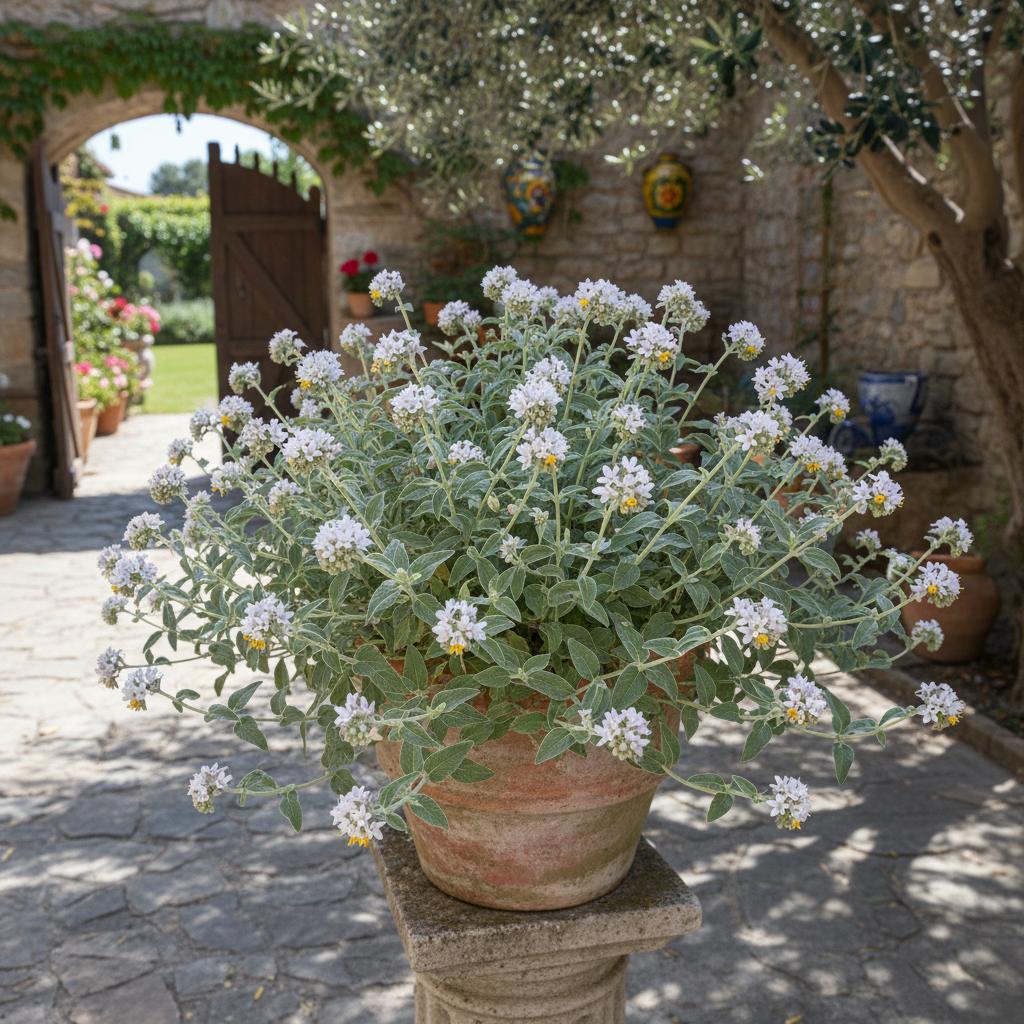
The following plants look similar and may be confused:
Related Toxic Plants
Download PlantFun App
Identify, grow and care for plants effectively!
Instant Plant ID
Take a photo to quickly identify plants.
Smart Care Reminders
Generate watering and care schedules.
Toxicity & Disease Diagnosis
Identify toxic plants and pests with treatment advice.

Data Sources
This information is for reference only and does not constitute medical advice. If ingestion or poisoning is suspected, seek medical or veterinary attention immediately.