 PlantFun
Viper's Bugloss Toxic?
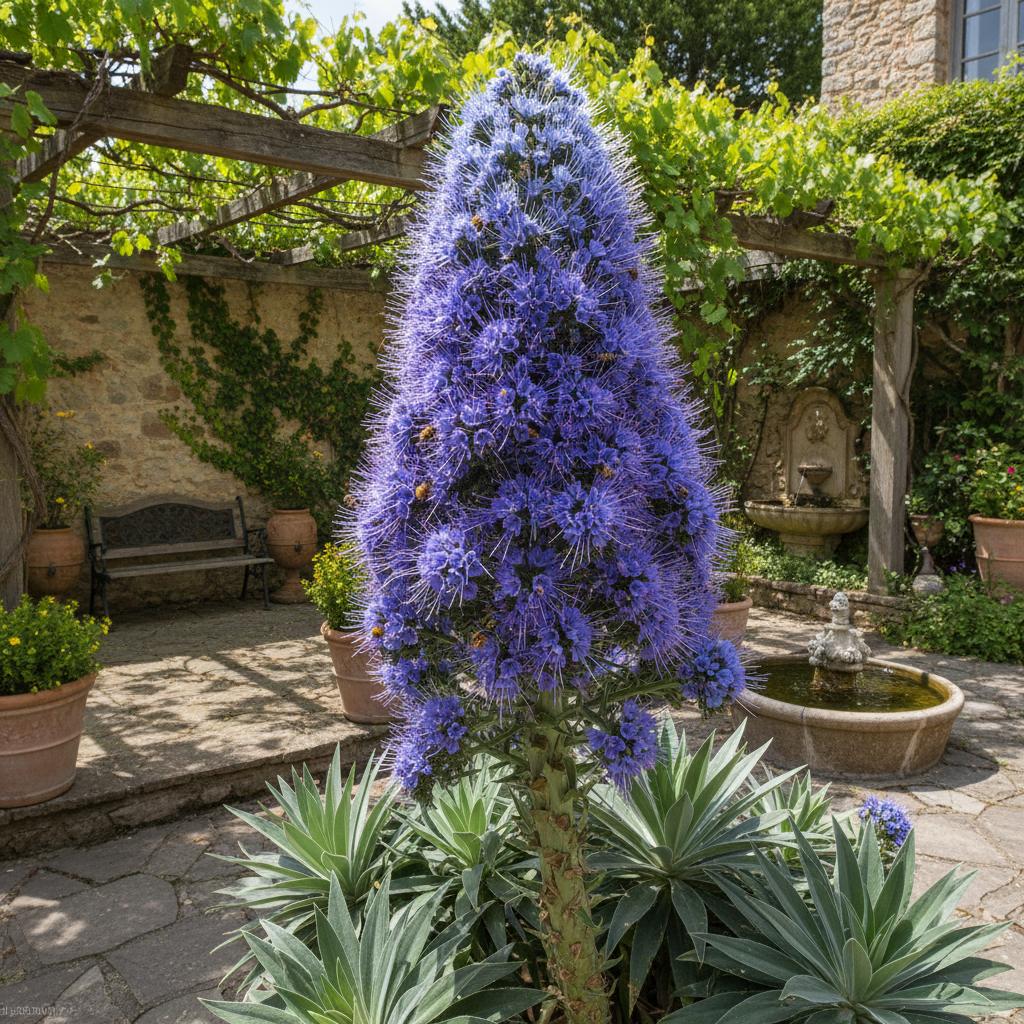
Contains toxic pyrrolizidine alkaloids that cause irreversible liver damage in equines
Poisoning most often occurs when horses eat contaminated hay or have no other forage options
Symptoms may appear suddenly after an asymptomatic period, progressing rapidly over 1 to 7 days
FAQ
Is Viper's Bugloss toxic to Humans?
No specific toxicity data available for humans; pyrrolizidine alkaloids generally cause liver damage if consumed in large, repeated quantities (Low)
Is Viper's Bugloss toxic to Cats?
Toxicity status is unknown, no documented clinical signs reported to date (Unknown)
Is Viper's Bugloss toxic to Dogs?
Toxicity status is unknown, no documented clinical signs reported to date (Unknown)
Is Viper's Bugloss toxic to Horses?
Weight loss, weakness, lethargy, yawning, incoordination, icterus (yellow mucous membranes), aimless walking, involuntary chewing motions, head pressing, sudden onset of severe symptoms progressing to liver failure (High)
Toxicity Details
No specific toxicity data available for humans; pyrrolizidine alkaloids generally cause liver damage if consumed in large, repeated quantities
Toxicity status is unknown, no documented clinical signs reported to date
Toxicity status is unknown, no documented clinical signs reported to date
Weight loss, weakness, lethargy, yawning, incoordination, icterus (yellow mucous membranes), aimless walking, involuntary chewing motions, head pressing, sudden onset of severe symptoms progressing to liver failure
Toxicity Snapshot
First Aid & Prevention
First 30 Minutes
- • Immediately remove all access to suspected Echium plantagineum or contaminated hay
- • Do not induce vomiting unless explicitly directed by a licensed veterinarian
- • Collect a sample of the ingested plant to aid accurate identification for targeted treatment
Contact Vet Immediately
- • If your horse has known or suspected exposure to the plant
- • If any clinical signs like weakness, incoordination, jaundice or abnormal behavior appear post-exposure
- • If large amounts of the plant are found in your horse's pasture or hay supply
Prevention
- • Regularly inspect pastures and hay stocks for presence of Viper's Bugloss/Patterson's Curse
- • Ensure horses have constant access to high-quality forage to avoid eating unpalatable toxic plants
- • Fully remove all identified plants from grazing areas, including root systems to prevent regrowth
Treatment & Prognosis
- • Veterinarian-administered supportive care including IV fluids to support liver function
- • Symptomatic management of neurological complications and liver failure symptoms
- • Long-term dietary adjustment to reduce liver workload post-exposure
Professional Toxicology
• Pyrrolizidine alkaloids are metabolized in the liver into toxic intermediates that destroy liver cells, leading to progressive irreversible liver failure and secondary neurological damage
Information from CliniTox veterinary text.
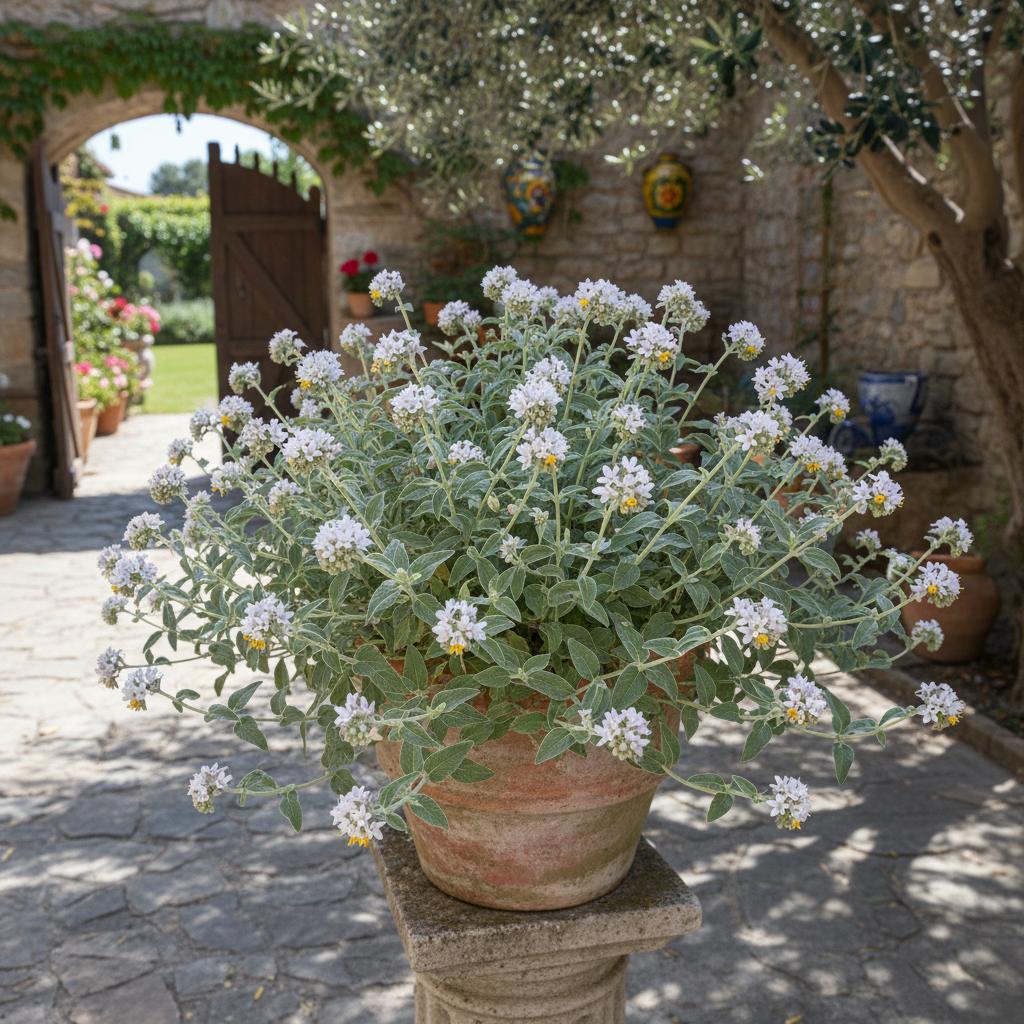
The following plants look similar and may be confused:
Related Toxic Plants

Download PlantFun App
Identify, grow and care for plants effectively!
Instant Plant ID
Take a photo to quickly identify plants.
Smart Care Reminders
Generate watering and care schedules.
Toxicity & Disease Diagnosis
Identify toxic plants and pests with treatment advice.

Data Sources
This information is for reference only and does not constitute medical advice. If ingestion or poisoning is suspected, seek medical or veterinary attention immediately.