 PlantFun
Houndstongue Toxic?
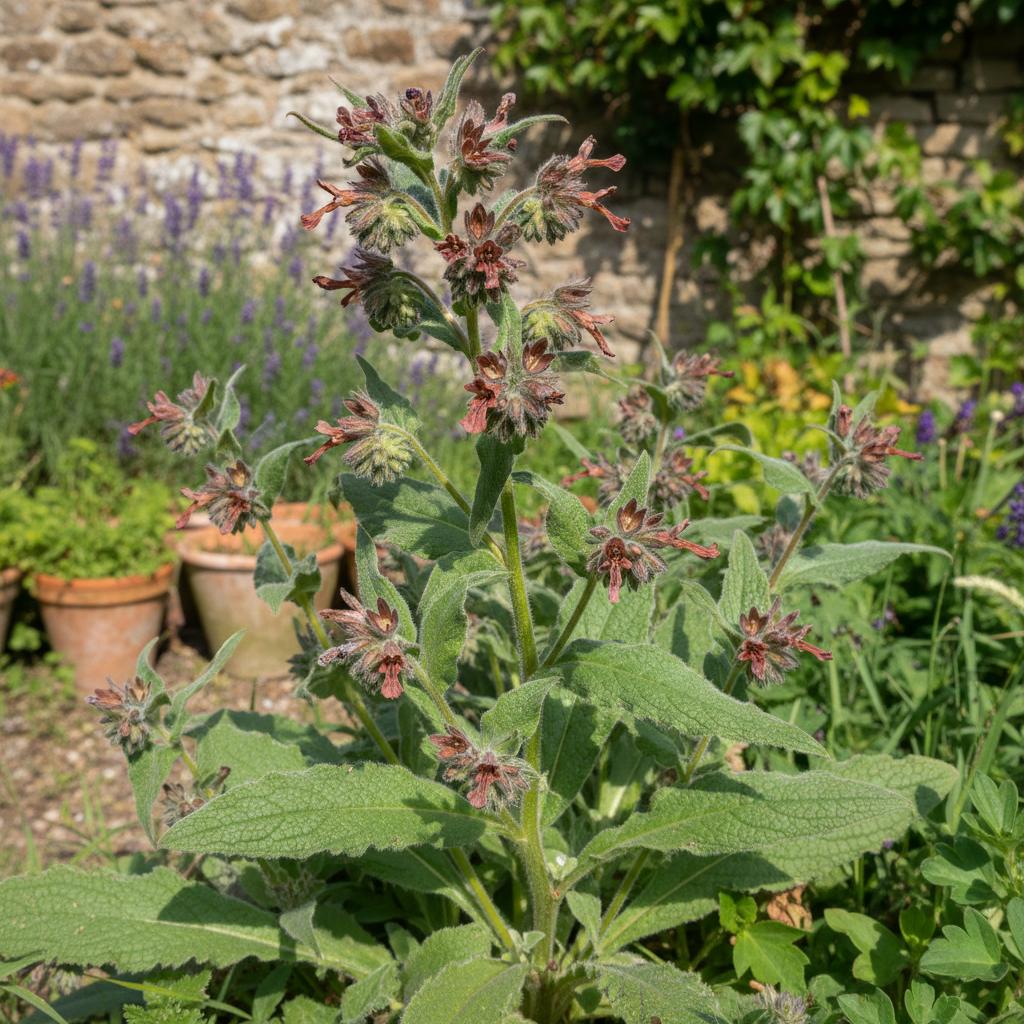
All parts of houndstongue contain toxic pyrrolizidine alkaloids at concentrations between 0.71% and 2.1% of total plant weight.
No curative treatment exists for houndstongue poisoning, so immediate removal of contaminated feed is the only urgent intervention.
In horses, poisoning causes progressive liver damage that can lead to neurological impairment, coma, and fatal outcomes.
FAQ
Is Houndstongue toxic to Humans?
No specific clinical symptom data is documented in the referenced dataset; any suspected exposure requires immediate consultation with a qualified medical professional. (High)
Is Houndstongue toxic to Cats?
No specific clinical symptom data is documented in the referenced dataset; any suspected exposure requires immediate consultation with a veterinarian. (High)
Is Houndstongue toxic to Dogs?
No specific clinical symptom data is documented in the referenced dataset; any suspected exposure requires immediate consultation with a veterinarian. (High)
Is Houndstongue toxic to Horses?
Weight loss, reduced body condition, anorexia, colic, constipation or bloody diarrhea, tenesmus, possible rectal prolapse, hemoglobinuria, frequent yawning, dyspnea, photosensitivity, jaundice, followed by liver failure-induced hepatoencephalic syndrome with restlessness, staggering, ataxia, aimless wandering ('Walking Disease'), toe dragging, pica, blindness, head pressing, depression, convulsions, hepatic coma, and death. (High)
Toxicity Details
No specific clinical symptom data is documented in the referenced dataset; any suspected exposure requires immediate consultation with a qualified medical professional.
No specific clinical symptom data is documented in the referenced dataset; any suspected exposure requires immediate consultation with a veterinarian.
No specific clinical symptom data is documented in the referenced dataset; any suspected exposure requires immediate consultation with a veterinarian.
Weight loss, reduced body condition, anorexia, colic, constipation or bloody diarrhea, tenesmus, possible rectal prolapse, hemoglobinuria, frequent yawning, dyspnea, photosensitivity, jaundice, followed by liver failure-induced hepatoencephalic syndrome with restlessness, staggering, ataxia, aimless wandering ('Walking Disease'), toe dragging, pica, blindness, head pressing, depression, convulsions, hepatic coma, and death.
Toxicity Snapshot
First Aid & Prevention
First 30 Minutes
- • Immediately discontinue access to any feed or forage suspected to be contaminated with houndstongue.
- • Do not induce vomiting after ingestion unless explicitly directed to do so by a licensed veterinarian or medical provider.
- • Collect any remaining samples of the ingested plant for formal identification to guide clinical care.
Contact Vet Immediately
- • Any confirmed or suspected ingestion of houndstongue by livestock, pets, or humans.
- • Onset of unexplained weight loss, jaundice, digestive distress, or neurological symptoms after potential exposure.
- • Detection of houndstongue growth in pastures, hay stores, or areas accessible to foraging animals or children.
Prevention
- • Conduct regular surveys of pastures, hay fields, and residential green spaces to remove all identified houndstongue plants entirely.
- • Avoid grazing livestock in areas with known dense houndstongue populations, and source feed from suppliers that test for toxic plant contamination.
- • Educate pet owners, foragers, and livestock handlers to recognize houndstongue to prevent accidental exposure.
Treatment & Prognosis
- • No curative treatment exists for confirmed houndstongue poisoning, as liver damage from pyrrolizidine alkaloids is irreversible.
- • Supportive care including fluid therapy, dietary adjustments, and symptom management may be administered to improve quality of life.
- • Long-term liver function monitoring is recommended for any animal or human exposed to low levels of the plant over extended periods.
Professional Toxicology
• Pyrrolizidine alkaloids in the plant are metabolized in the liver to reactive toxic pyrrole derivatives
• These derivatives bind to liver cell proteins and DNA, causing irreversible cell damage, necrosis, and progressive liver fibrosis
• Chronic or acute exposure eventually leads to complete loss of liver function and associated systemic toxic effects
Information from CliniTox veterinary text.
The following plants look similar and may be confused:
Related Toxic Plants


Download PlantFun App
Identify, grow and care for plants effectively!
Instant Plant ID
Take a photo to quickly identify plants.
Smart Care Reminders
Generate watering and care schedules.
Toxicity & Disease Diagnosis
Identify toxic plants and pests with treatment advice.

Data Sources
This information is for reference only and does not constitute medical advice. If ingestion or poisoning is suspected, seek medical or veterinary attention immediately.