 PlantFun
Sea Squill Toxic?
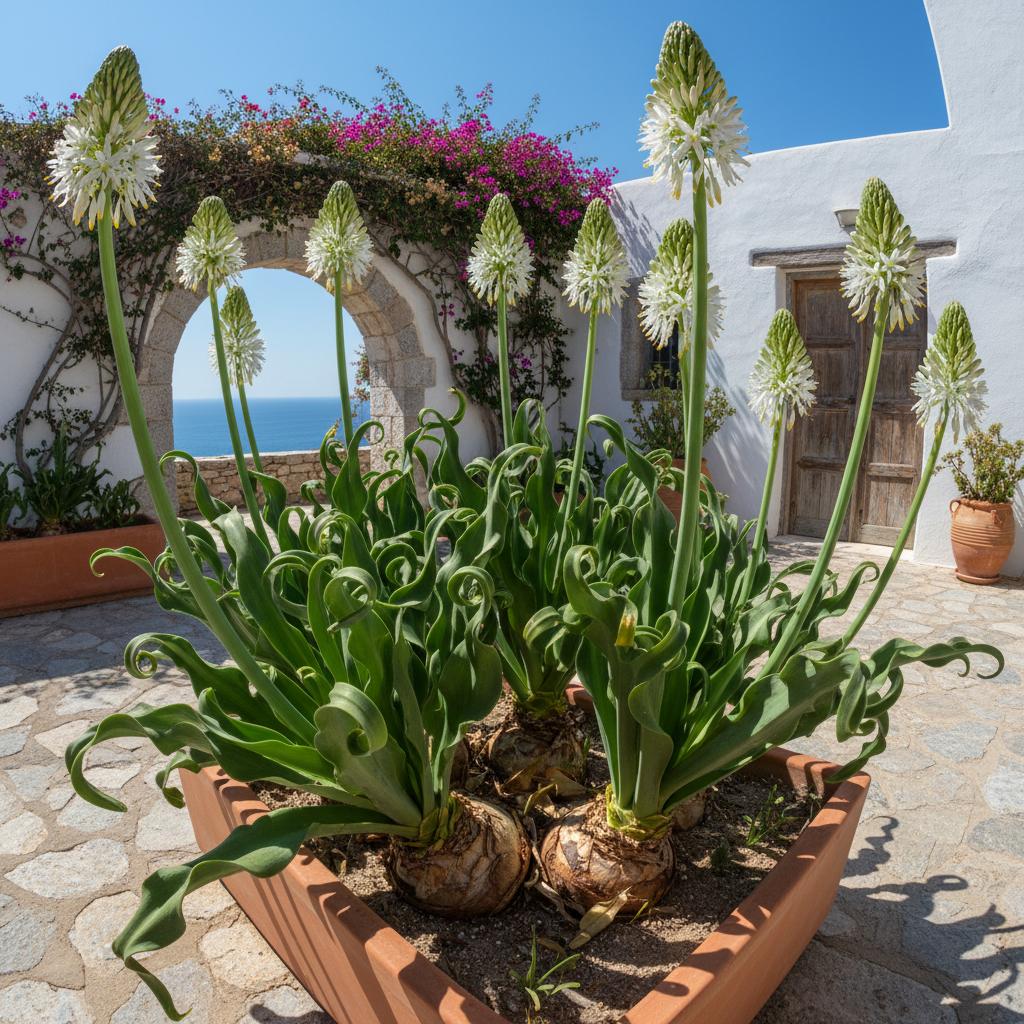
All parts of sea squill are highly toxic, with cardiac glycoside concentrations up to 4% in bulb tissue
Ingestion can trigger life-threatening arrhythmias, seizures, and often fatal outcomes even in small doses
It is frequently confused with edible onions, raising the risk of accidental poisoning for foragers
FAQ
Is Sea Squill toxic to Humans?
Anorexia, apathy, ataxia, irregular heart arrhythmias, central nervous system seizures; poisoning often has a fatal outcome (Severe)
Is Sea Squill toxic to Cats?
No species-specific data available; expected symptoms include vomiting, lethargy, arrhythmia, seizures, and potential fatality consistent with cardiac glycoside toxicity (Severe)
Is Sea Squill toxic to Dogs?
No species-specific data available; expected symptoms include vomiting, lethargy, arrhythmia, seizures, and potential fatality consistent with cardiac glycoside toxicity (Severe)
Is Sea Squill toxic to Horses?
No species-specific data available; expected symptoms include lethargy, ataxia, arrhythmia, seizures, and potential fatality consistent with cardiac glycoside toxicity (Severe)
Toxicity Details
Anorexia, apathy, ataxia, irregular heart arrhythmias, central nervous system seizures; poisoning often has a fatal outcome
No species-specific data available; expected symptoms include vomiting, lethargy, arrhythmia, seizures, and potential fatality consistent with cardiac glycoside toxicity
No species-specific data available; expected symptoms include vomiting, lethargy, arrhythmia, seizures, and potential fatality consistent with cardiac glycoside toxicity
No species-specific data available; expected symptoms include lethargy, ataxia, arrhythmia, seizures, and potential fatality consistent with cardiac glycoside toxicity
Toxicity Snapshot
First Aid & Prevention
First 30 Minutes
- • If ingestion occurred within 15 minutes and the exposed individual is conscious, induce vomiting safely
- • Administer activated charcoal as soon as possible to absorb unprocessed toxins
- • Collect a full sample of the ingested plant for accurate identification by medical/vet staff
- • Avoid giving any food, drink, or home remedies unless explicitly directed by a professional
Contact Vet Immediately
- • Immediately call a medical provider/vet if any amount of the plant is ingested by humans or animals
- • Seek urgent care if symptoms including arrhythmia, seizures, loss of coordination, or lethargy appear
- • Contact a medical professional if skin irritation lasts more than 10 minutes after washing the affected area
Prevention
- • Keep sea squill plants out of reach of children and pets if grown ornamentally
- • Never consume wild bulbs resembling onions unless you have 100% certain identification
- • Label cultivated sea squill plants clearly to prevent accidental ingestion as edible produce
Treatment & Prognosis
- • Prompt gastrointestinal decontamination including emesis, activated charcoal, or gastric lavage if clinically indicated
- • Continuous cardiac monitoring and anti-arrhythmic medications to manage heart function abnormalities
- • Symptomatic supportive care including anti-seizure medications and fluid therapy as required
Professional Toxicology
• Cardiac steroid glycosides inhibit the Na+/K+-ATPase enzyme in heart muscle cells, leading to life-threatening abnormal heart rhythms
• Toxins also act on the central nervous system, triggering seizures and neurological dysfunction
Information from CliniTox veterinary text.
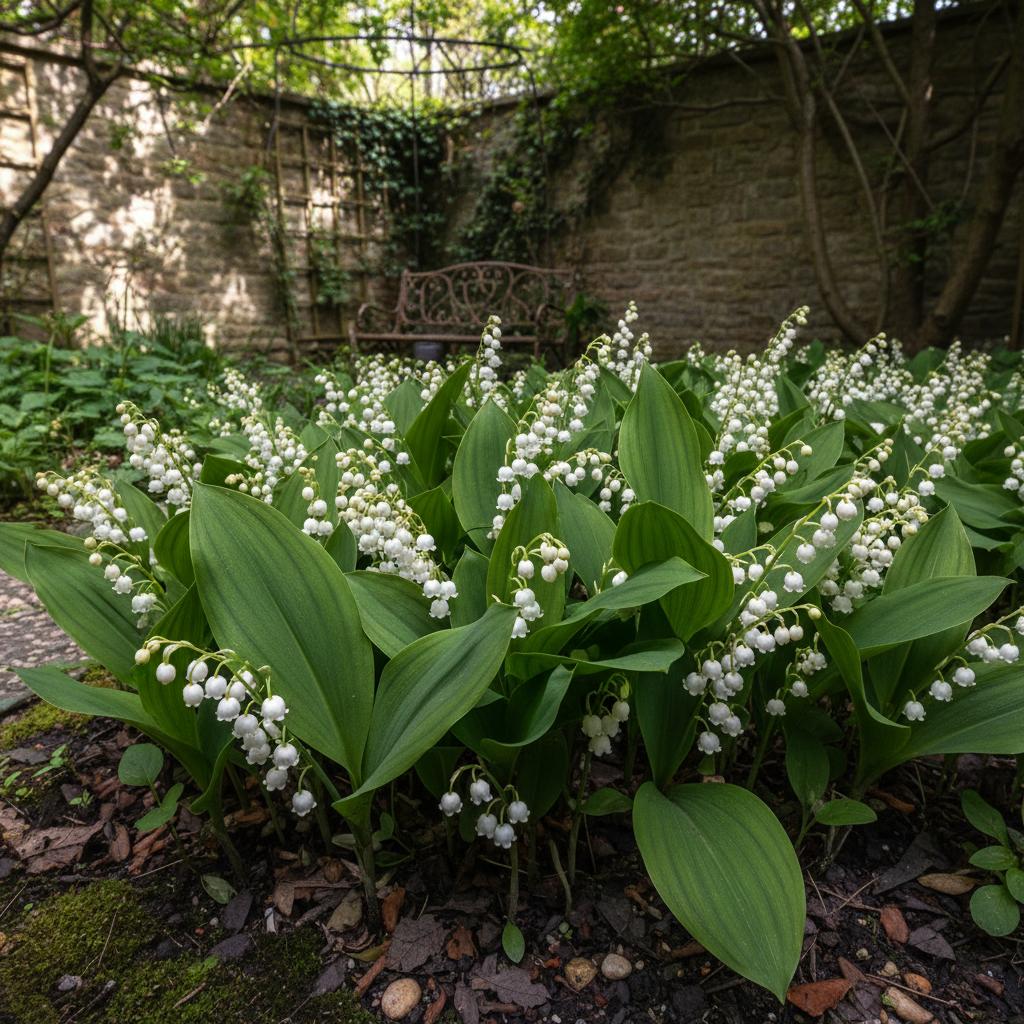
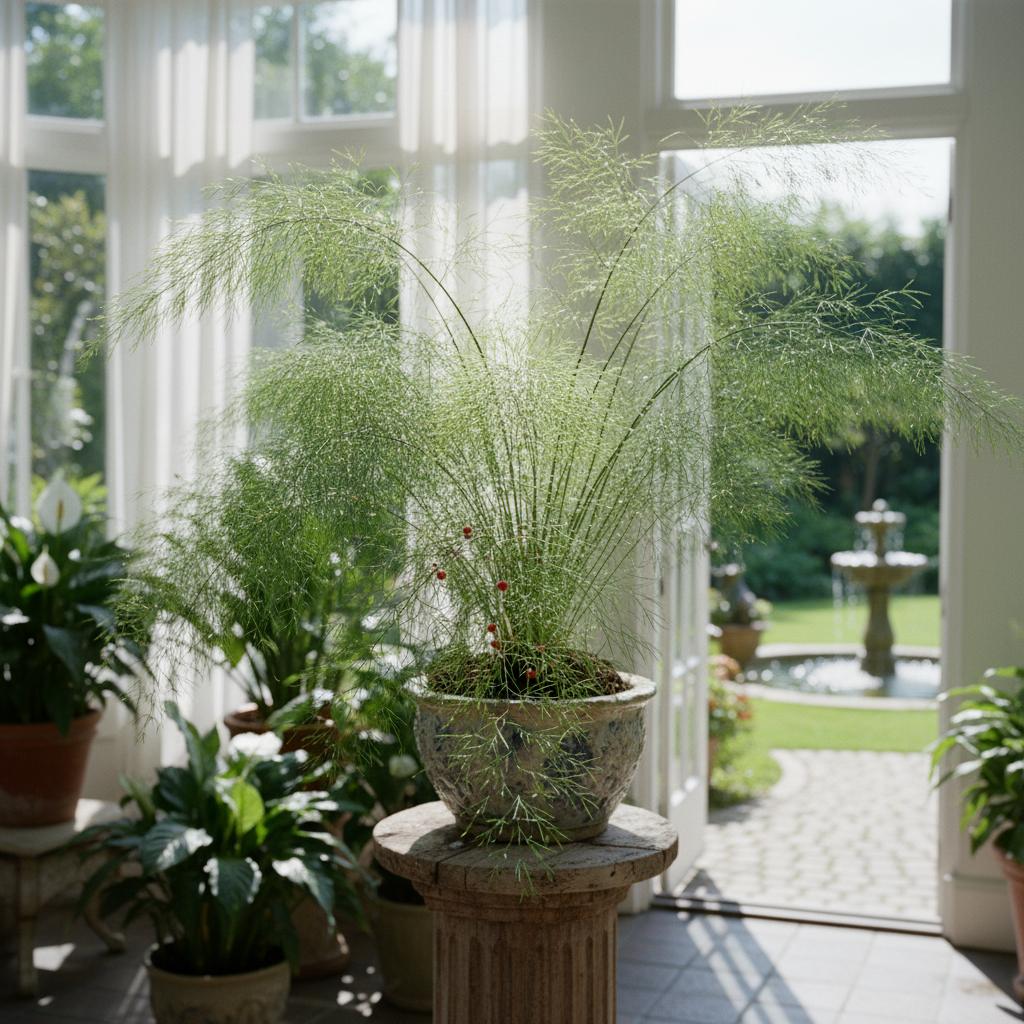
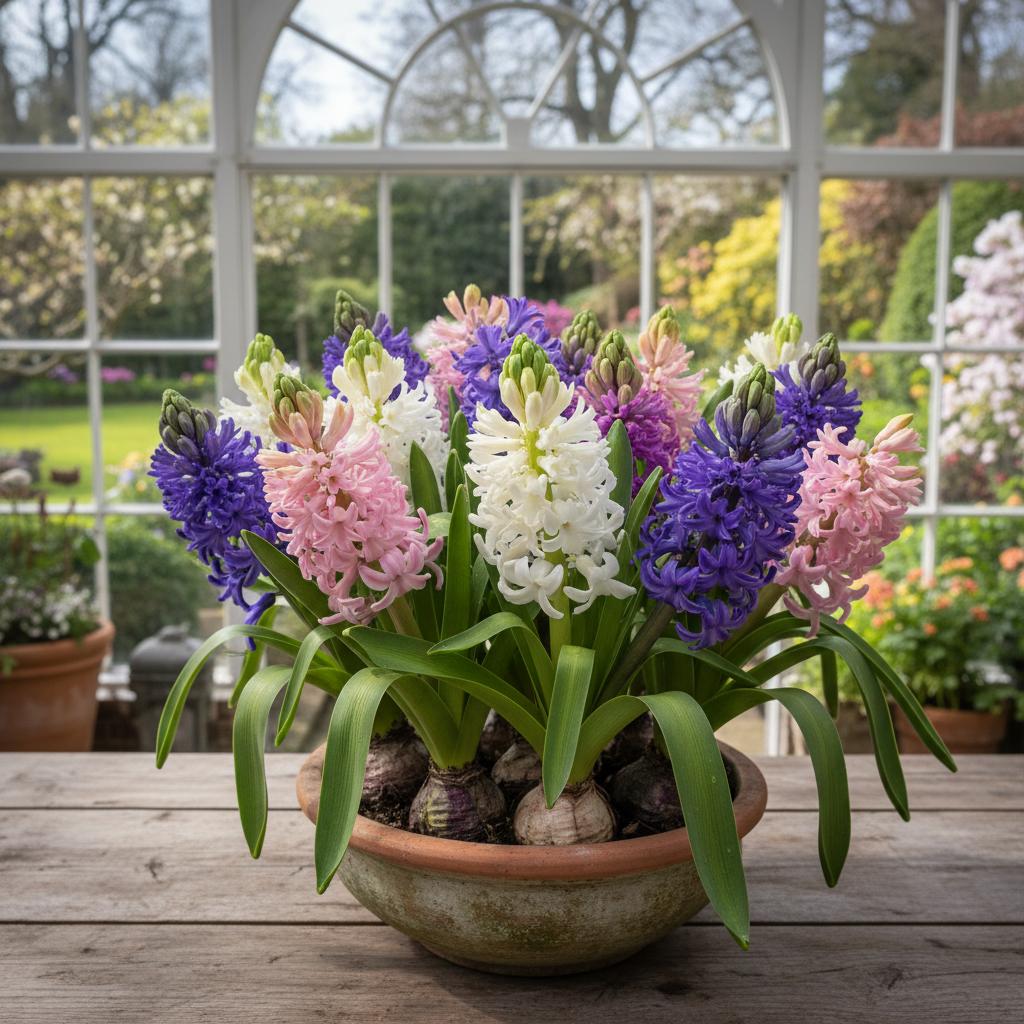
The following plants look similar and may be confused:
Related Toxic Plants
Download PlantFun App
Identify, grow and care for plants effectively!
Instant Plant ID
Take a photo to quickly identify plants.
Smart Care Reminders
Generate watering and care schedules.
Toxicity & Disease Diagnosis
Identify toxic plants and pests with treatment advice.

Data Sources
This information is for reference only and does not constitute medical advice. If ingestion or poisoning is suspected, seek medical or veterinary attention immediately.