 PlantFun
Hyacinth Toxic?

Bulbs are the most toxic part of the plant, containing high levels of alkaloids and calcium oxalate crystals
The plant is confirmed toxic to cats, dogs, and horses, with extremely severe toxicity to birds
Ingestion typically causes gastrointestinal distress and may trigger neurological symptoms like tremors in affected animals
FAQ
Is Hyacinth toxic to Humans?
Oral/throat irritation, vomiting, abdominal pain, diarrhea, mild skin irritation from bulb contact (Low)
Is Hyacinth toxic to Cats?
Intense vomiting, occasional bloody diarrhea, depression, tremors (Low)
Is Hyacinth toxic to Dogs?
Intense vomiting, occasional bloody diarrhea, depression, tremors (Low)
Is Hyacinth toxic to Horses?
Vomiting, colic, diarrhea, depression, tremors (Low)
Toxicity Details
Oral/throat irritation, vomiting, abdominal pain, diarrhea, mild skin irritation from bulb contact
Intense vomiting, occasional bloody diarrhea, depression, tremors
Intense vomiting, occasional bloody diarrhea, depression, tremors
Vomiting, colic, diarrhea, depression, tremors
Toxicity Snapshot
First Aid & Prevention
First 30 Minutes
- • Remove any remaining plant material from the mouth of the affected individual/animal and rinse thoroughly with clean water
- • Wash affected skin with soap and cool water for at least 10 minutes if exposed to bulb sap
- • Do not induce vomiting unless explicitly instructed by a medical or veterinary professional
Contact Vet Immediately
- • Any amount of the plant (especially bulb material) has been ingested by a pet, livestock, or child
- • Symptoms including vomiting, bloody diarrhea, tremors, or severe abdominal pain appear
- • Symptoms persist or worsen after initial first aid administration
Prevention
- • Keep potted hyacinths and stored bulbs out of reach of children, pets, and livestock
- • Wear gloves when handling hyacinth bulbs to avoid skin irritation
- • Clearly label hyacinth bulbs during storage to avoid confusion with edible root vegetables
Treatment & Prognosis
- • Administer decontamination measures such as activated charcoal under professional supervision for recent ingestion
- • Provide symptomatic care including mucosal protectants to reduce gastrointestinal irritation and analgesics for pain relief
- • Monitor hydration status and administer IV fluids if dehydration occurs from prolonged vomiting or diarrhea
Professional Toxicology
• Needle-shaped calcium oxalate crystals cause physical irritation to mucosal membranes of the mouth, throat, and digestive tract
• Narcissus-like alkaloids including lycorine induce gastrointestinal distress and mild neurological impairment
Information from CliniTox veterinary text.
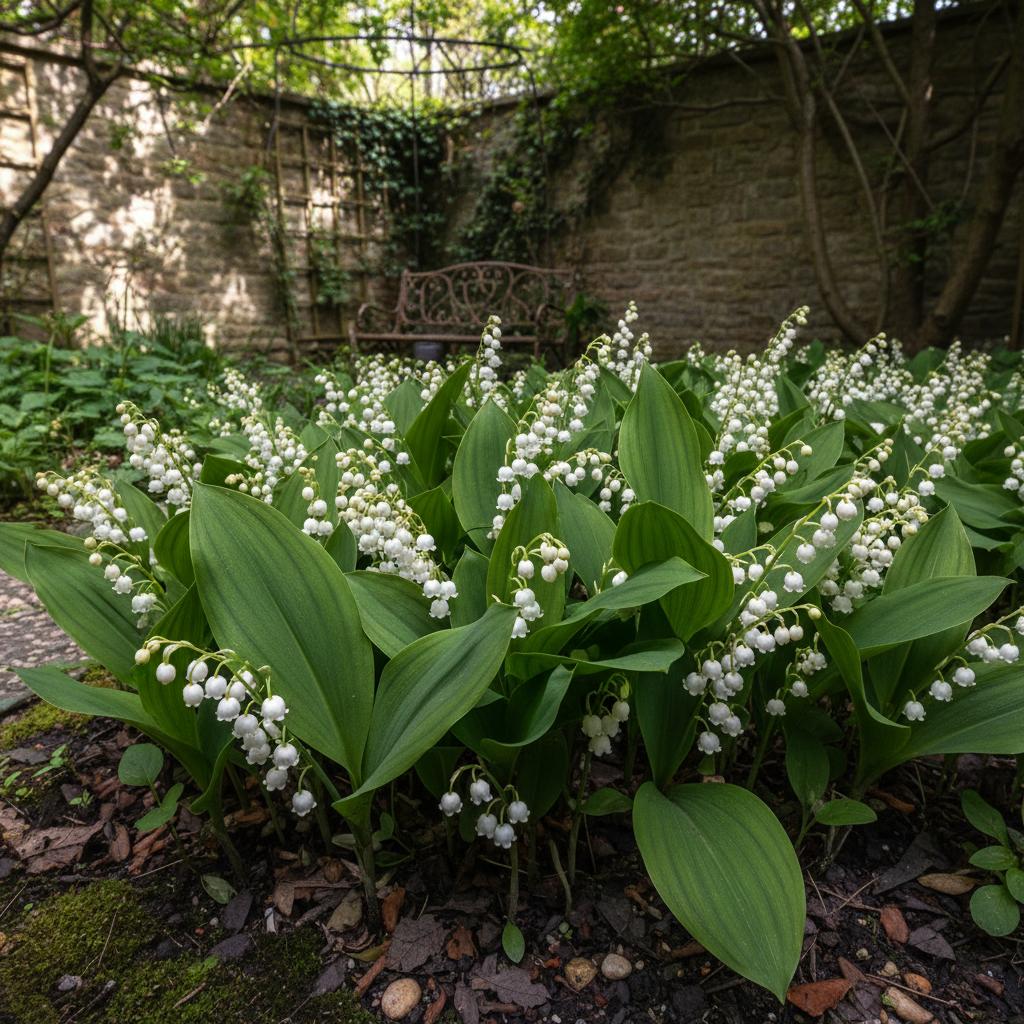
The following plants look similar and may be confused:
Related Toxic Plants


Download PlantFun App
Identify, grow and care for plants effectively!
Instant Plant ID
Take a photo to quickly identify plants.
Smart Care Reminders
Generate watering and care schedules.
Toxicity & Disease Diagnosis
Identify toxic plants and pests with treatment advice.

Data Sources
This information is for reference only and does not constitute medical advice. If ingestion or poisoning is suspected, seek medical or veterinary attention immediately.