 PlantFun
Cornstalk Plant Toxic?
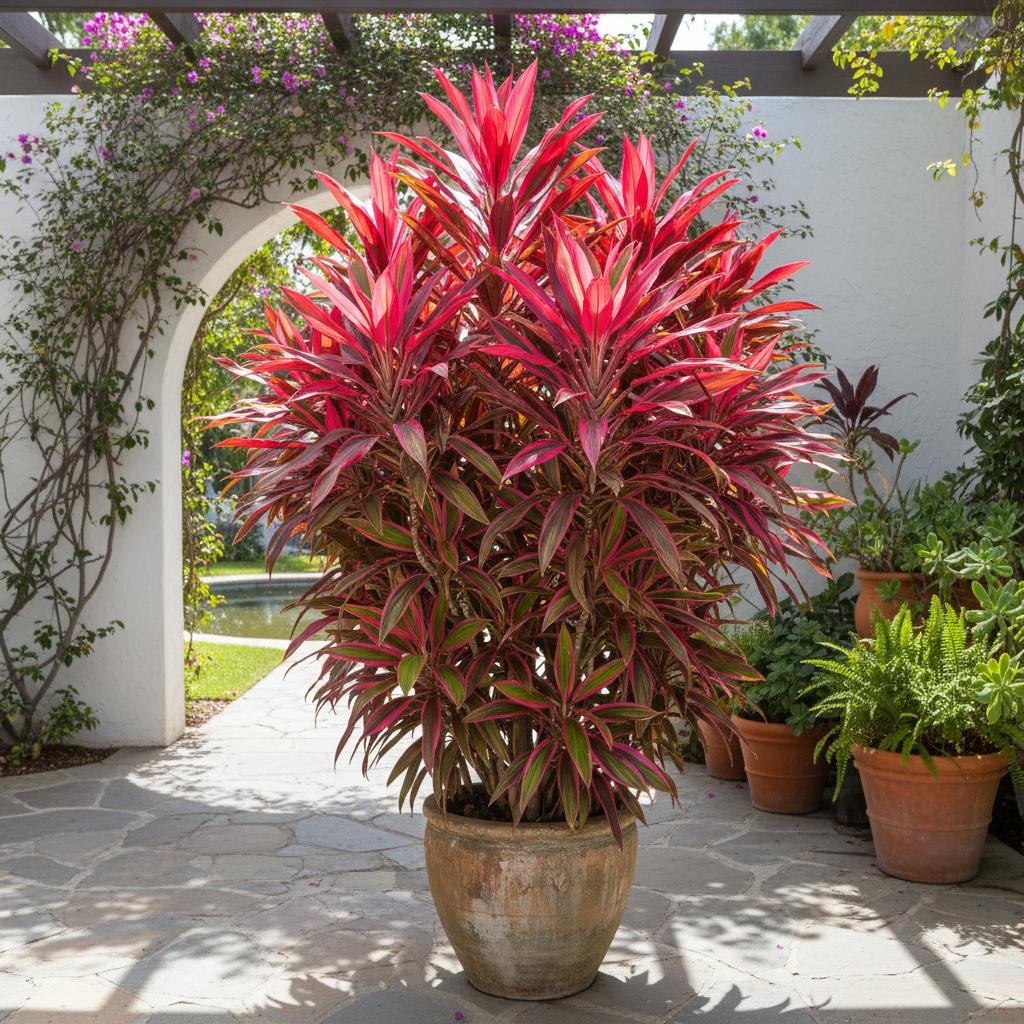
All parts of the plant contain toxic saponins, confirmed harmful to cats and dogs, with unknown risk to horses
Common ingestion symptoms include vomiting, appetite loss, excessive salivation, and dilated pupils in cats
Severe illness has been recorded in cats after consuming even unquantified amounts of plant leaves
FAQ
Is Cornstalk Plant toxic to Humans?
No confirmed severe human toxicity cases reported; ingestion may cause mild gastrointestinal irritation from saponins (Low)
Is Cornstalk Plant toxic to Cats?
Vomiting (occasionally with blood), depression, anorexia, hypersalivation, dilated pupils, severe illness after leaf ingestion (Moderate)
Is Cornstalk Plant toxic to Dogs?
Vomiting, depression, anorexia, hypersalivation, gastrointestinal inflammation and irritation (Moderate)
Is Cornstalk Plant toxic to Horses?
Toxicity status unknown, no confirmed clinical symptom data available for equine exposure (Unknown)
Toxicity Details
No confirmed severe human toxicity cases reported; ingestion may cause mild gastrointestinal irritation from saponins
Vomiting (occasionally with blood), depression, anorexia, hypersalivation, dilated pupils, severe illness after leaf ingestion
Vomiting, depression, anorexia, hypersalivation, gastrointestinal inflammation and irritation
Toxicity status unknown, no confirmed clinical symptom data available for equine exposure
Toxicity Snapshot
First Aid & Prevention
First 30 Minutes
- • Remove any remaining plant material from the exposed animal's mouth immediately
- • Rinse the pet's mouth with clean cool water to reduce mucosal irritation
- • Do not induce vomiting unless explicitly directed to do so by a licensed veterinarian
Contact Vet Immediately
- • Your pet has ingested any amount of Cornstalk Plant material
- • Your pet displays vomiting, excessive salivation, lethargy or appetite loss after exposure
- • Your cat has dilated pupils or blood in its vomit after suspected plant ingestion
Prevention
- • Keep all Dracaena species out of reach of cats, dogs and other companion animals
- • Clearly label all houseplants to avoid mixing up toxic and non-toxic lookalike varieties
- • Verify plant identity and toxicity status before introducing new plants to a home with pets or livestock
Treatment & Prognosis
- • Administer veterinarian-directed decontamination procedures as applicable
- • Provide symptomatic therapy including mucosal protective agents to reduce gastrointestinal irritation
- • Monitor vital signs and symptom progression until the affected animal fully recovers
Professional Toxicology
• Saponins in the plant cause local irritation of mucosal membranes, leading to gastrointestinal inflammation and associated systemic symptoms
Information from CliniTox veterinary text.
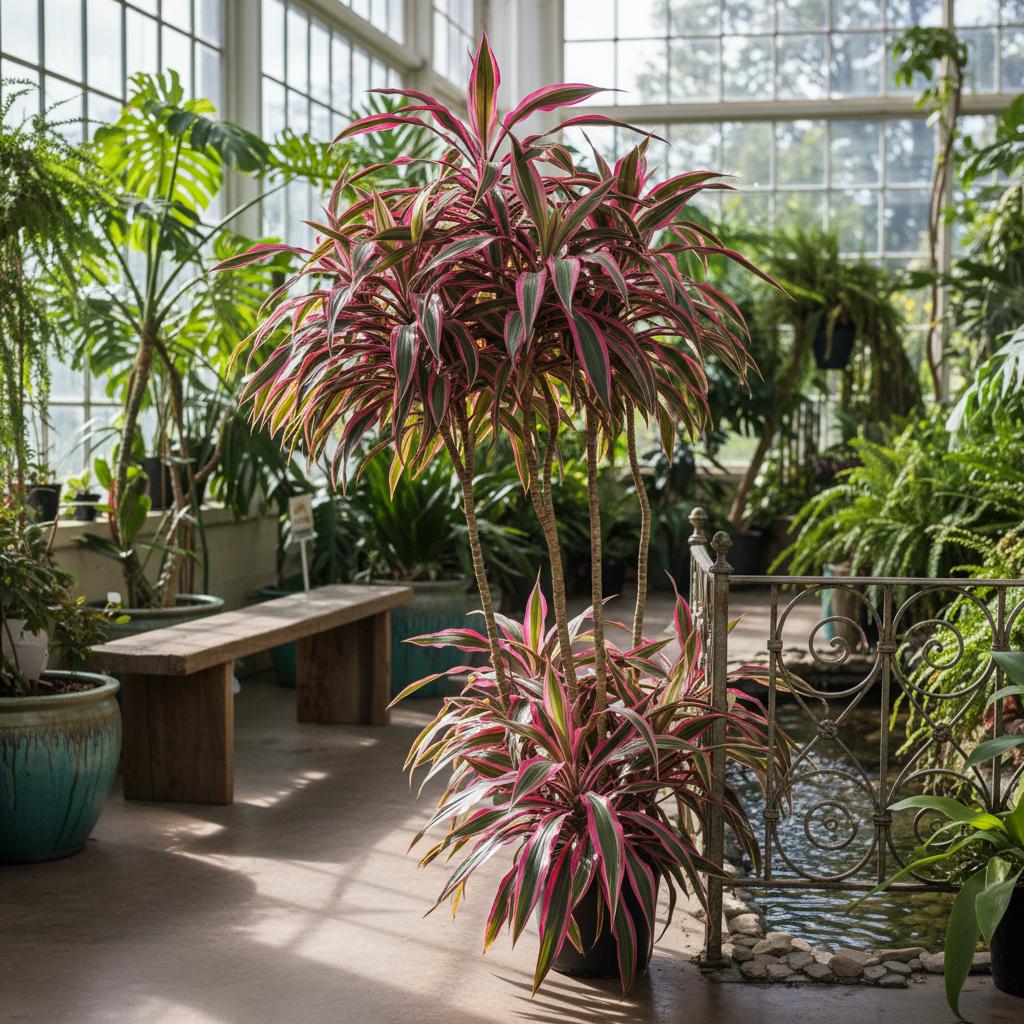
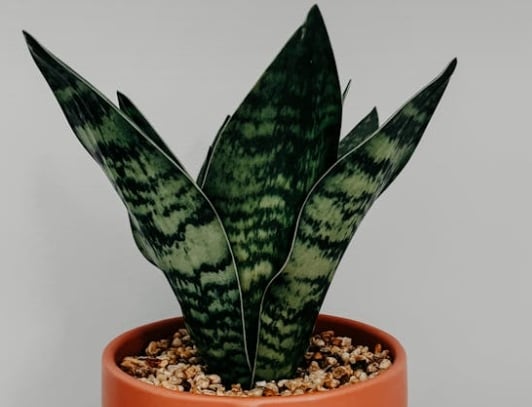
The following plants look similar and may be confused:
Related Toxic Plants

Download PlantFun App
Identify, grow and care for plants effectively!
Instant Plant ID
Take a photo to quickly identify plants.
Smart Care Reminders
Generate watering and care schedules.
Toxicity & Disease Diagnosis
Identify toxic plants and pests with treatment advice.

Data Sources
This information is for reference only and does not constitute medical advice. If ingestion or poisoning is suspected, seek medical or veterinary attention immediately.