 PlantFun
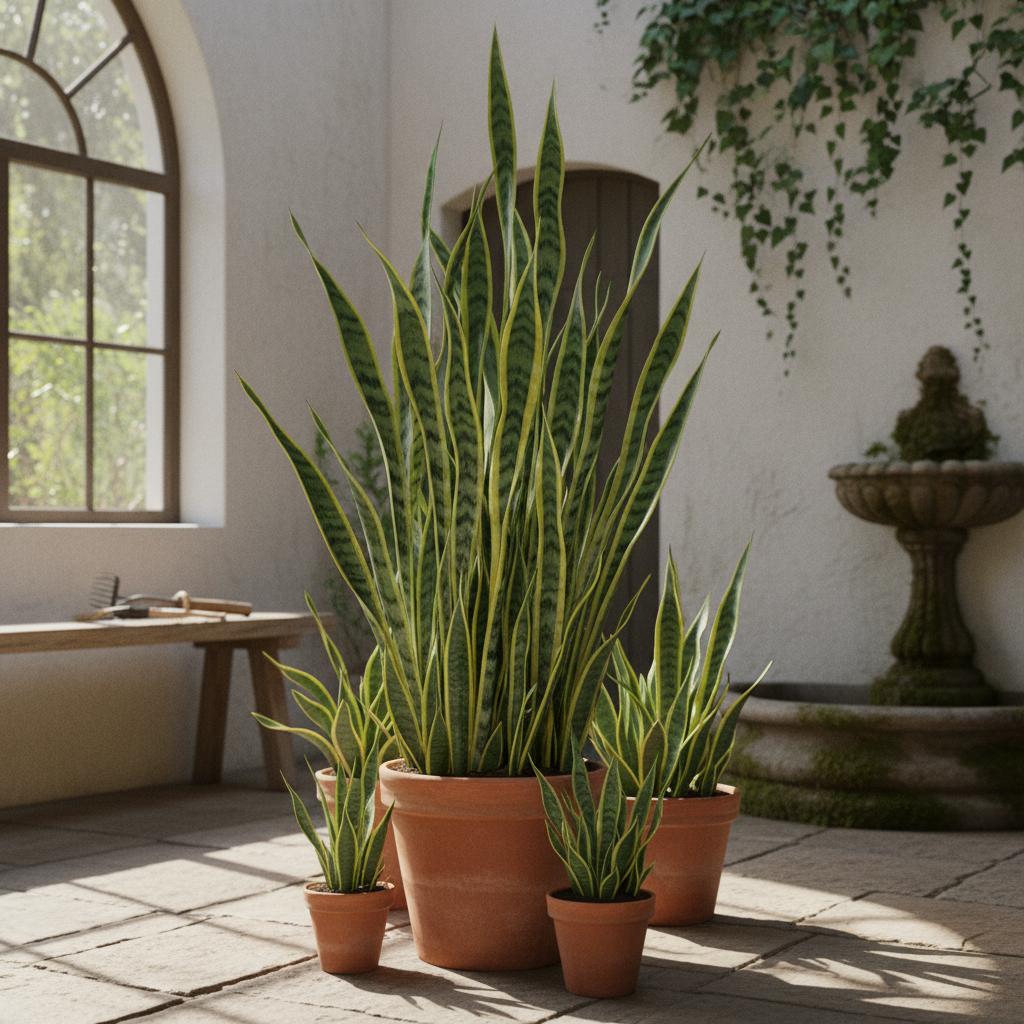
Straight-Margined Dracaena Toxic?

This plant is confirmed toxic to cats and dogs, with unknown toxicity risk to horses.
Toxic effects are driven by saponin compounds that trigger local irritation and gastrointestinal inflammation.
Cats may experience additional severe symptoms including dilated pupils and elevated heart rate after ingestion.
FAQ
Is Straight-Margined Dracaena toxic to Humans?
No specific human toxicity cases documented; saponins may cause mild local irritation or gastrointestinal upset if large quantities are ingested. (Low)
Is Straight-Margined Dracaena toxic to Cats?
Dilated pupils, abdominal pain, increased heart rate, drooling, vomiting, depression, inappetence, incoordination, weakness (Moderate)
Is Straight-Margined Dracaena toxic to Dogs?
Vomiting, depression, inappetence, drooling, incoordination, weakness (Moderate)
Is Straight-Margined Dracaena toxic to Horses?
Toxicity risk is unknown; no confirmed poisoning cases or associated symptoms are documented. (Unknown)
Toxicity Details
No specific human toxicity cases documented; saponins may cause mild local irritation or gastrointestinal upset if large quantities are ingested.
Dilated pupils, abdominal pain, increased heart rate, drooling, vomiting, depression, inappetence, incoordination, weakness
Vomiting, depression, inappetence, drooling, incoordination, weakness
Toxicity risk is unknown; no confirmed poisoning cases or associated symptoms are documented.
Toxicity Snapshot
First Aid & Prevention
First 30 Minutes
- • Remove any remaining plant material from the affected pet's mouth immediately.
- • If ingestion occurred within the past 2 hours, contact a vet for guidance on induced vomiting for decontamination.
- • Monitor the pet for early symptoms including drooling, vomiting, or unusual behavior while waiting for veterinary guidance.
Contact Vet Immediately
- • If you suspect your cat or dog has ingested any quantity of this plant.
- • If your pet exhibits symptoms including vomiting, incoordination, drooling, or dilated pupils (in cats).
- • If symptoms persist or worsen after initial first aid intervention.
Prevention
- • Keep this plant out of reach of cats and dogs in indoor and outdoor spaces.
- • Clearly label all houseplants to avoid accidental ingestion by pets or young children.
- • Opt for confirmed non-toxic plant alternatives if you own companion animals.
Treatment & Prognosis
- • Administer decontamination measures (induced vomiting, activated charcoal) as directed by a veterinarian.
- • Provide mucosal protectant medications to reduce gastrointestinal irritation from saponin exposure.
- • Deliver supportive care including fluid therapy and symptom management for severe cardiac or neurological signs as needed.
Professional Toxicology
• Saponin compounds in the plant cause direct local irritation to mucosal surfaces on contact, leading to gastrointestinal inflammation and associated systemic symptoms in sensitive species.
Information from CliniTox veterinary text.
The following plants look similar and may be confused:
Related Toxic Plants


Download PlantFun App
Identify, grow and care for plants effectively!
Instant Plant ID
Take a photo to quickly identify plants.
Smart Care Reminders
Generate watering and care schedules.
Toxicity & Disease Diagnosis
Identify toxic plants and pests with treatment advice.

Data Sources
This information is for reference only and does not constitute medical advice. If ingestion or poisoning is suspected, seek medical or veterinary attention immediately.