 PlantFun
Agave Toxic?
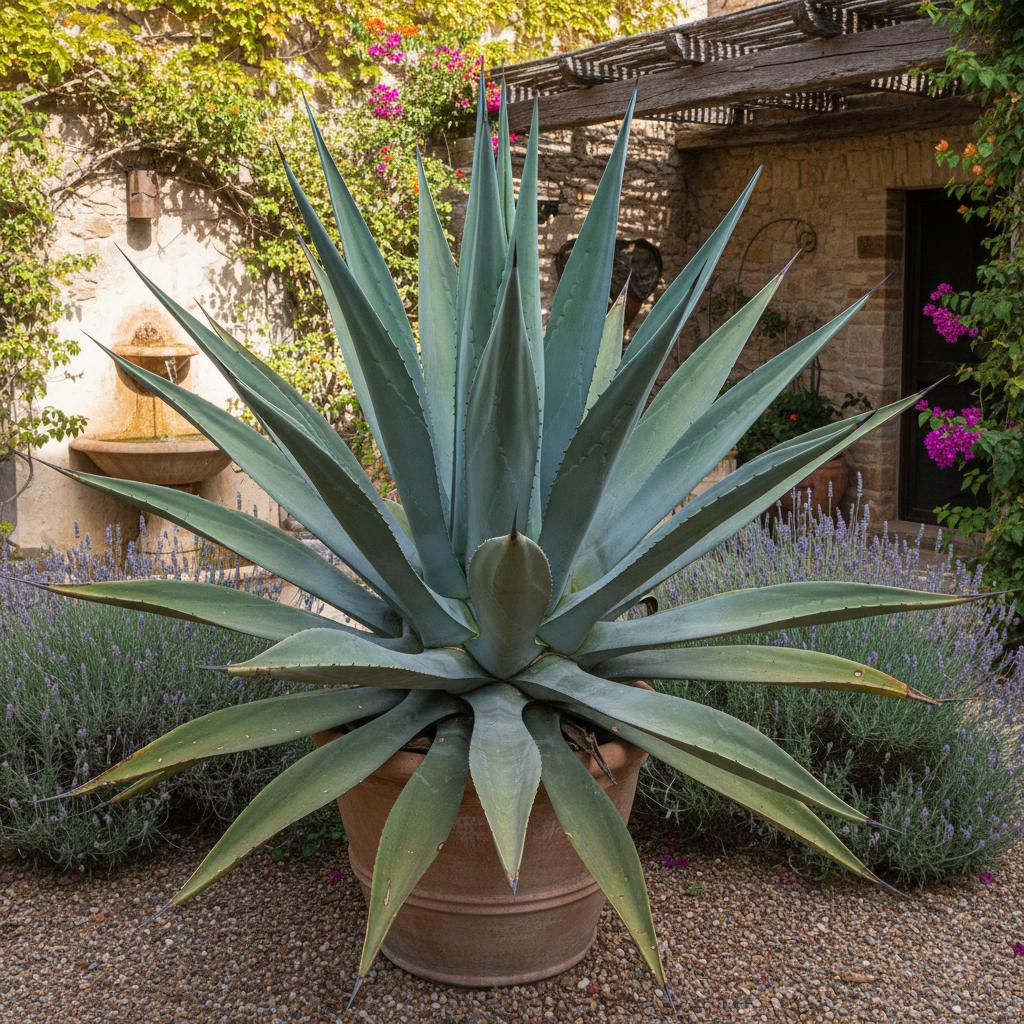
Leaf sap contains saponins and calcium oxalate that trigger skin and mucosal irritation on contact
No confirmed animal poisoning cases from this species are recorded in available published research
The plant is frequently confused with non-toxic Yucca species and other Agave varieties with varying toxicity
FAQ
Is Agave toxic to Humans?
Contact with leaf sap may cause localized skin redness, itching, burning, or rash; ingestion may trigger mild oral, throat, and gastrointestinal irritation (Low)
Is Agave toxic to Cats?
No confirmed poisoning cases reported; theoretical risk of mild oral irritation, drooling, or soft stool if large quantities are ingested (Non-toxic)
Is Agave toxic to Dogs?
No confirmed poisoning cases reported; theoretical risk of mild oral irritation, drooling, or transient vomiting if large quantities are ingested (Non-toxic)
Is Agave toxic to Horses?
No confirmed poisoning cases reported; theoretical risk of mild gastrointestinal upset if large volumes of leaves are consumed (Non-toxic)
Toxicity Details
Contact with leaf sap may cause localized skin redness, itching, burning, or rash; ingestion may trigger mild oral, throat, and gastrointestinal irritation
No confirmed poisoning cases reported; theoretical risk of mild oral irritation, drooling, or soft stool if large quantities are ingested
No confirmed poisoning cases reported; theoretical risk of mild oral irritation, drooling, or transient vomiting if large quantities are ingested
No confirmed poisoning cases reported; theoretical risk of mild gastrointestinal upset if large volumes of leaves are consumed
Toxicity Snapshot
First Aid & Prevention
First 30 Minutes
- • Rinse affected skin with cool soapy water for 10-15 minutes immediately after sap exposure
- • Rinse mouth thoroughly with clean water if plant material is ingested, and offer small sips of drinking water
- • Remove all remaining plant material from the exposed person or animal's immediate environment
Contact Vet Immediately
- • Your pet exhibits persistent drooling, oral pain, vomiting, or diarrhea after exposure
- • Your horse or companion animal has ingested large volumes of agave leaf material
- • Skin irritation persists for more than 24 hours or shows signs of blistering, swelling, or infection
Prevention
- • Store potted agave out of reach of children and pets that chew household plants
- • Wear waterproof gloves and long sleeves when pruning or handling agave to avoid sap contact
- • Clearly label agave plants to avoid confusion with non-toxic Yucca species sometimes fed to livestock
Treatment & Prognosis
- • For mild dermal irritation: apply topical hydrocortisone or administer oral antihistamines to relieve symptoms
- • For ingestion cases: provide supportive care including fluid therapy and anti-emetics if gastrointestinal distress develops
- • No specific antidote exists, all care is targeted at symptom relief and prevention of secondary complications
Professional Toxicology
• Saponins disrupt cell membranes to cause chemical irritation of skin and soft mucosal tissues
• Sharp calcium oxalate crystals cause physical micro-abrasions and additional irritation on contact with skin or digestive tract
Information from CliniTox veterinary text.
The following plants look similar and may be confused:
Related Toxic Plants


Download PlantFun App
Identify, grow and care for plants effectively!
Instant Plant ID
Take a photo to quickly identify plants.
Smart Care Reminders
Generate watering and care schedules.
Toxicity & Disease Diagnosis
Identify toxic plants and pests with treatment advice.

Data Sources
This information is for reference only and does not constitute medical advice. If ingestion or poisoning is suspected, seek medical or veterinary attention immediately.