 PlantFun
Snake Plant Toxic?

Snake Plant is confirmed toxic to cats and dogs, with unknown toxicity status for horses
Its core toxic components are saponins, including steroid saponins such as Sansevierigenin
Ingestion may trigger mucosal irritation, gastrointestinal symptoms, and neurological issues like ataxia
FAQ
Is Snake Plant toxic to Humans?
Oral and gastrointestinal irritation, nausea, vomiting, diarrhea, mild sedation in cases of large ingestion (Low)
Is Snake Plant toxic to Cats?
Nausea, vomiting, diarrhea, oral irritation, possible lethargy and sedation (Low)
Is Snake Plant toxic to Dogs?
Nausea, vomiting, diarrhea, oral irritation, sedation, ataxia, foaming at the mouth in severe ingestion cases (Low)
Is Snake Plant toxic to Horses?
No confirmed symptoms reported, toxicity risk is unclassified (Unknown)
Toxicity Details
Oral and gastrointestinal irritation, nausea, vomiting, diarrhea, mild sedation in cases of large ingestion
Nausea, vomiting, diarrhea, oral irritation, possible lethargy and sedation
Nausea, vomiting, diarrhea, oral irritation, sedation, ataxia, foaming at the mouth in severe ingestion cases
No confirmed symptoms reported, toxicity risk is unclassified
Toxicity Snapshot
First Aid & Prevention
First 30 Minutes
- • Remove all remaining plant material from the affected person/animal's mouth immediately
- • Rinse the mouth thoroughly with cool clean water to reduce mucosal irritation
- • Monitor for early symptoms like excessive drooling, nausea, or lethargy for 2 hours post-exposure
Contact Vet Immediately
- • Your cat or dog has ingested any quantity of Snake Plant
- • Symptoms including vomiting, diarrhea, ataxia, foaming at the mouth, or lethargy appear
- • A grazing animal like a horse has ingested large amounts of the plant and shows unusual behavior
Prevention
- • Place Snake Plants out of reach of cats and dogs that chew on houseplants
- • Label all houseplants clearly to avoid accidental ingestion by children or pets
- • Avoid planting Snake Plant in pastures or areas accessible to grazing livestock
Treatment & Prognosis
- • Perform decontamination (induced vomiting, activated charcoal) under professional medical/vet guidance
- • Provide symptomatic therapy including anti-emetics and fluid support for severe gastrointestinal symptoms
- • Administer mucosal protective agents to reduce irritation to the gastrointestinal tract
Professional Toxicology
• Saponins in plant tissue cause local irritation to all contacted mucosal membranes
• Systemic absorption of steroid saponins may trigger sedation and mild nervous system dysfunction in high doses
Information from CliniTox veterinary text.
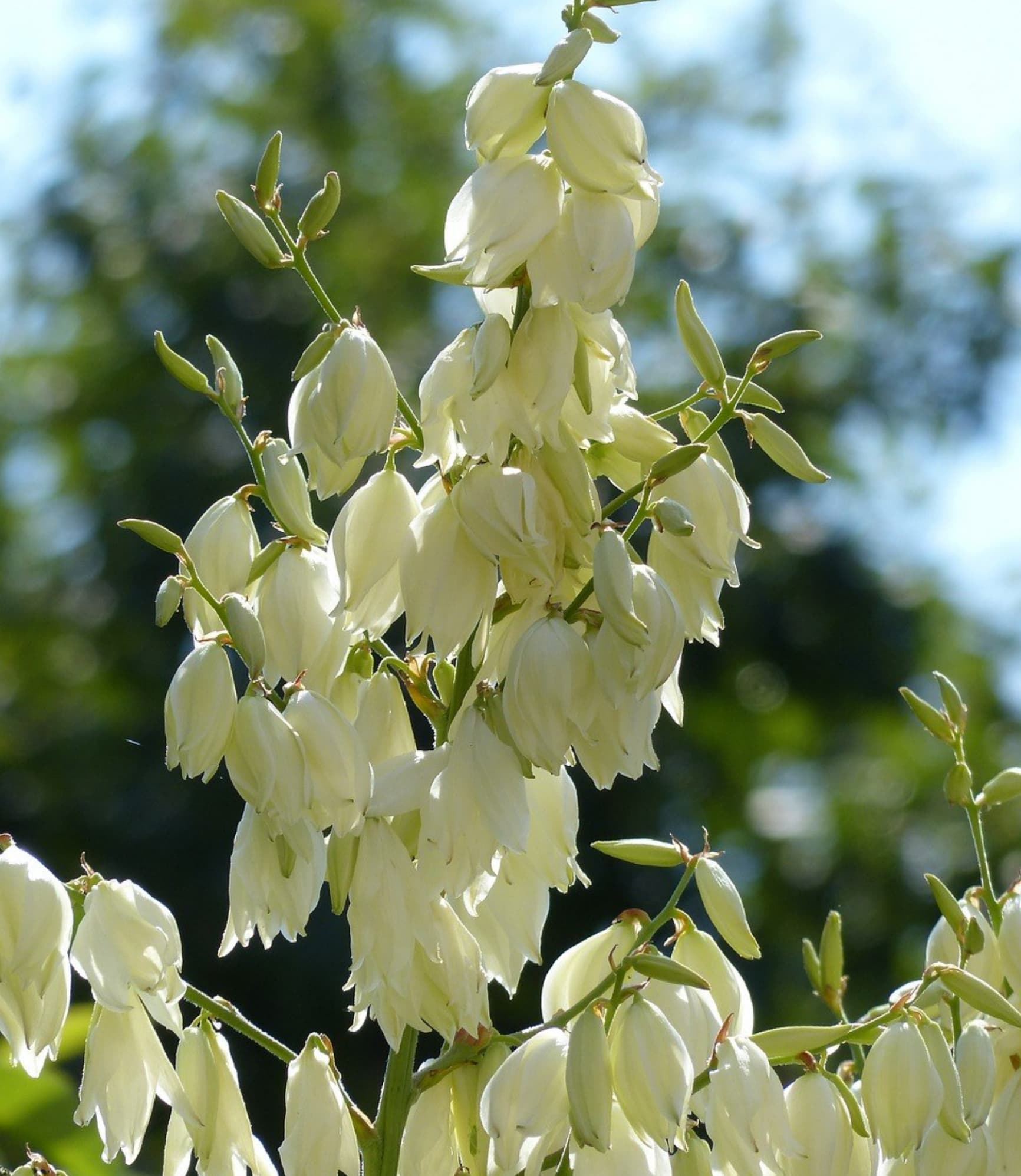
The following plants look similar and may be confused:
Related Toxic Plants


Download PlantFun App
Identify, grow and care for plants effectively!
Instant Plant ID
Take a photo to quickly identify plants.
Smart Care Reminders
Generate watering and care schedules.
Toxicity & Disease Diagnosis
Identify toxic plants and pests with treatment advice.

Data Sources
This information is for reference only and does not constitute medical advice. If ingestion or poisoning is suspected, seek medical or veterinary attention immediately.