 PlantFun
Yellow Starthistle Toxic?
Only equine toxicity is confirmed; cat and dog toxicity risks are currently unstudied and undocumented
Horse poisoning requires ingestion of 50-200% of body weight of the plant over 60-90 days of grazing
Toxicity causes irreversible neurological "chewing disease" in horses that may lead to fatal dehydration and malnutrition
FAQ
Is Yellow Starthistle toxic to Humans?
No documented human toxicity cases or associated symptoms are reported (Non-toxic)
Is Yellow Starthistle toxic to Cats?
Toxicity and clinical symptoms are unconfirmed, no cases are on record (Unknown)
Is Yellow Starthistle toxic to Dogs?
Toxicity and clinical symptoms are unconfirmed, no cases are on record (Unknown)
Is Yellow Starthistle toxic to Horses?
Grinning facial expression, open mouth with protruding lolling tongue, yawning, head tossing, central nervous system depression, loss of appetite, difficulty swallowing and breathing, attempts to submerge head in water to drink, dehydration, malnutrition, death (Severe)
Toxicity Details
No documented human toxicity cases or associated symptoms are reported
Toxicity and clinical symptoms are unconfirmed, no cases are on record
Toxicity and clinical symptoms are unconfirmed, no cases are on record
Grinning facial expression, open mouth with protruding lolling tongue, yawning, head tossing, central nervous system depression, loss of appetite, difficulty swallowing and breathing, attempts to submerge head in water to drink, dehydration, malnutrition, death
Toxicity Snapshot
First Aid & Prevention
First 30 Minutes
- • Immediately remove all access to yellow starthistle and hay suspected to contain the plant
- • Contact a veterinarian immediately if large amounts of the plant have been recently ingested
- • Monitor exposed horses for early signs of abnormal chewing or difficulty swallowing
Contact Vet Immediately
- • Any observed neurological symptoms (abnormal chewing, head tossing, lolling tongue) in exposed horses
- • Signs of anorexia, dehydration, or difficulty breathing in any exposed animal
- • Suspected long-term exposure to yellow starthistle in horse grazing areas
Prevention
- • Inspect all hay for yellow starthistle contamination before feeding to horses
- • Eradicate yellow starthistle from horse grazing pastures to eliminate exposure risk
- • Provide sufficient high-quality forage to horses to discourage consumption of undesirable plants
Treatment & Prognosis
- • Administer supportive intravenous fluids to correct dehydration and electrolyte imbalances
- • Provide assisted nutritional support if swallowing function is impaired
- • Deliver symptomatic care to prevent secondary aspiration pneumonia and manage neurological symptoms
Professional Toxicology
• Exact toxic mechanism is unconfirmed; active compounds target regions of the horse brain controlling chewing and swallowing function
Information from CliniTox veterinary text.
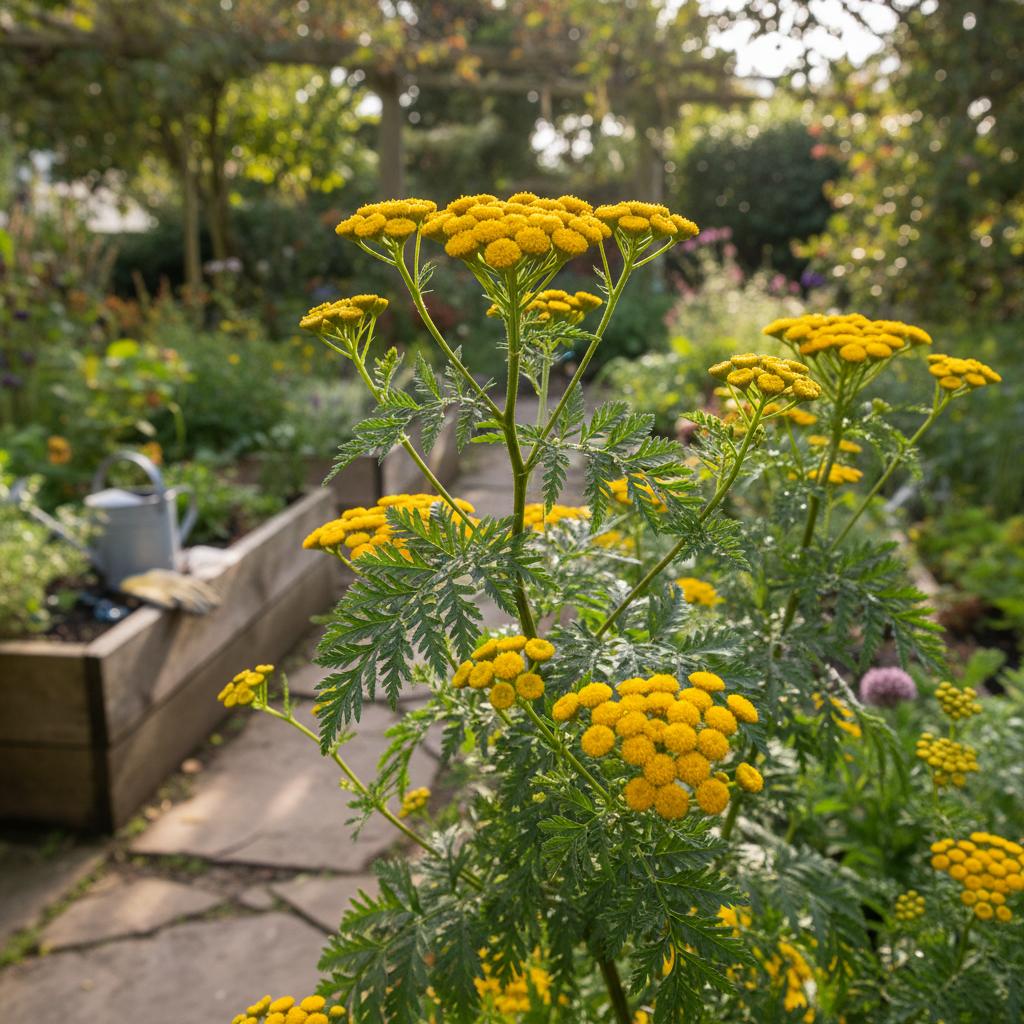
The following plants look similar and may be confused:
Related Toxic Plants
Download PlantFun App
Identify, grow and care for plants effectively!
Instant Plant ID
Take a photo to quickly identify plants.
Smart Care Reminders
Generate watering and care schedules.
Toxicity & Disease Diagnosis
Identify toxic plants and pests with treatment advice.

Data Sources
This information is for reference only and does not constitute medical advice. If ingestion or poisoning is suspected, seek medical or veterinary attention immediately.